
















Calcium Score: A Comprehensive Guide to Understanding Its Importance
Understand your coronary calcium score and what it means for your heart health. Learn how it can reveal your risk of heart disease and discover actionable steps.





A specialised CT scan that looks for calcium deposits in the arteries supplying blood to your heart.

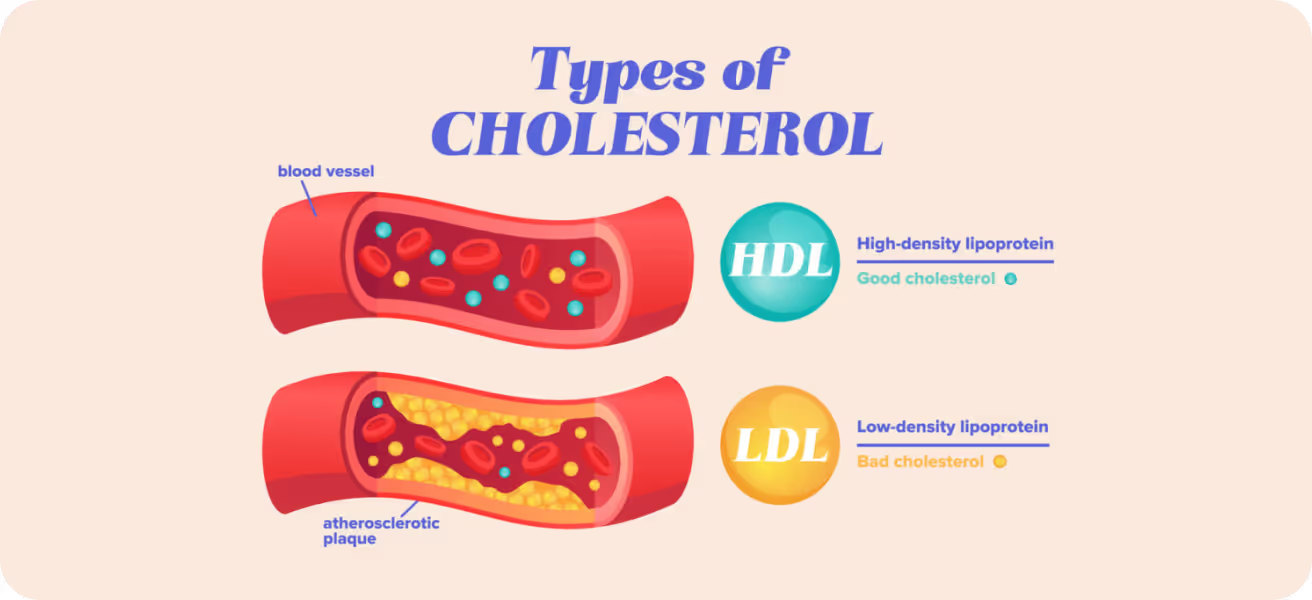
Plaque buildup narrows arteries, restricting blood flow and raising the chance of heart attack or stroke.
A Coronary calcium scan is quick, non-invasive, and more accurate than traditional risk factors — often catching problems before symptoms.
Age, genetics, high blood pressure, smoking, diabetes, sedentary lifestyle, and poor diet.
Depending on your risk, your doctor may suggest medications as part of a personalised plan.
Your calcium score is one piece of the heart health puzzle. Use it alongside prevention and other health checks to stay ahead of heart disease.
A coronary calcium scan is one tool clinicians use to assess cardiovascular risk in selected individuals. This article explains what the test measures and when it may be relevant to discuss with your doctor.
A calcium score measures the amount of calcified plaque in your coronary arteries, giving you a snapshot of your heart disease risk. Today, I’ll break down everything you need to know about calcium scores - what they are, how they’re measured, what is a good or bad score, why it matters for your health and how to improve it.
A coronary calcium scan is a specialised CT scan that examines the arteries supplying blood to your heart. A coronary calcium scan provides quantitative data on calcified plaque in the coronary arteries, which clinicians may use alongside other risk factors to assess cardiovascular health.
The scan results in a calcium score that quantifies the amount of calcified plaque in your coronary arteries. This plaque, which consists of calcium deposits, can narrow your arteries and restrict blood flow, increasing your risk of heart disease, including heart attacks. A score of 0 means no calcium detected, suggesting a lower risk of heart disease. Higher scores indicate increasing levels of calcium and consequently, a higher risk of heart problems.
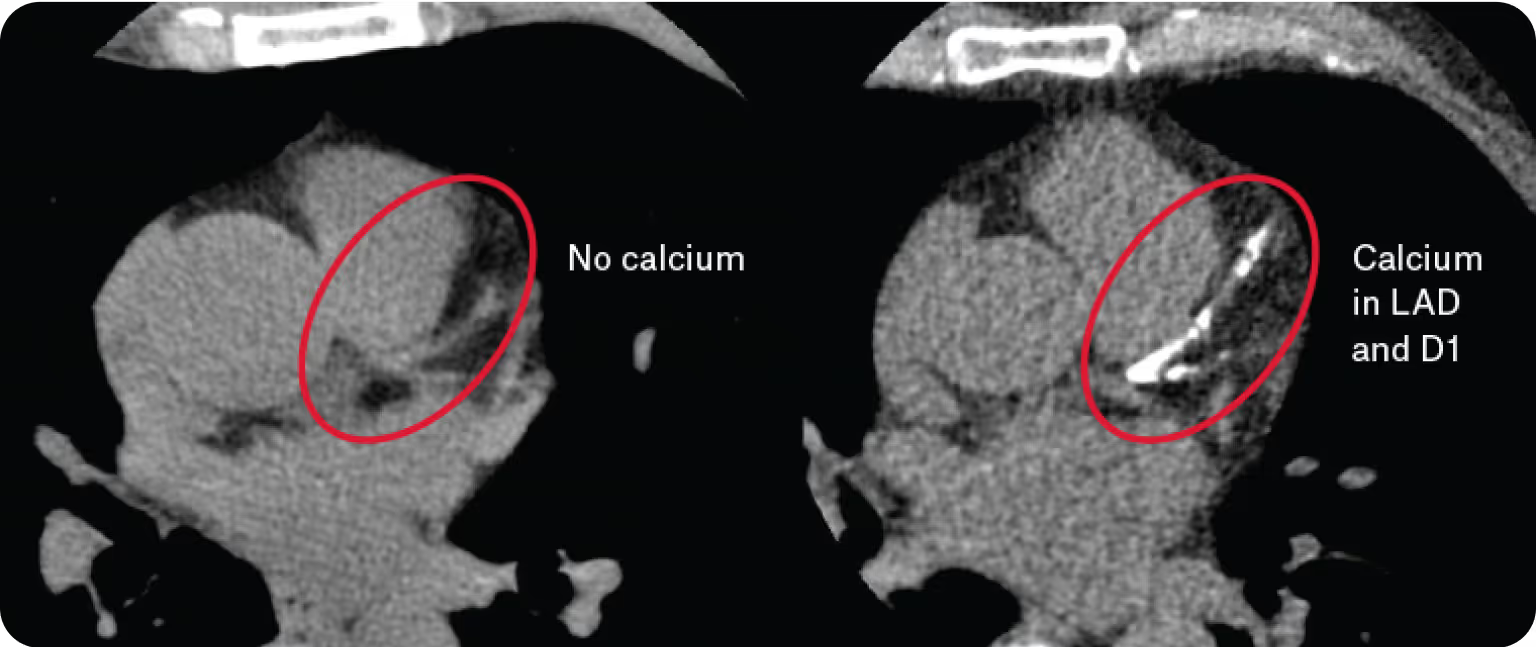
During the scan, you’ll lie on a table that slides into a CT scanner. The machine captures detailed images of your heart, looking for calcium deposits in your coronary arteries. These deposits can indicate plaque buildup, which may narrow your arteries and increase your risk of a heart attack.
This quick, non-invasive test can provide crucial information about your heart health, often before symptoms appear. It helps doctors assess your risk more accurately than traditional factors alone, allowing for personalised prevention strategies and interventions.
Coronary calcium scoring is one method clinicians use to refine cardiovascular risk assessment. Its clinical utility is best understood in the context of your individual risk profile, which your doctor can help you assess.
A window into your arteries
A coronary calcium scan is like a sneak peek into your coronary arteries. It measures calcium deposits, which can indicate plaque buildup. The higher your score, the greater your risk of heart problems. For instance, a score above 400 suggests extensive coronary artery disease, while a zero score means no detectable calcium.
Personalised risk assessment
What I find fascinating is how this can refine our understanding of heart disease risk. According to John Hopkins Medicine, the calcium score can more accurately identify individuals at high or low risk of heart events, even among those thought to be at different risk levels based on traditional factors alone.
Guiding your heart health journey
Your calcium score can inform conversations with your clinician about cardiovascular risk management. Your doctor will advise on appropriate next steps, which may include lifestyle modifications or medical review depending on your individual circumstances.
Understanding your calcium score is crucial for assessing your heart health. According to published research, the score ranges from 0 to over 400, with each bracket indicating a different level of risk.
A score of 0 is ideal, indicating no detectable calcium and a low risk of heart attack. Scores between 1-10 suggest minimal plaque build-up and less than 10% chance of heart disease. I consider these ranges normal and reassuring for most people.
Higher scores are associated with greater levels of calcified plaque and may indicate elevated cardiovascular risk
Scores from 11-100 signal mild heart disease and a moderate chance of heart attack. More concerning are scores of 101-400, indicating moderate heart disease and a higher risk. Scores exceeding 400 suggest extensive heart disease and a greater than 90% chance of a blocked artery.
Abnormal scores often result from factors like age, genetics, high blood pressure, smoking, diabetes or a sedentary lifestyle. It’s crucial to discuss your score with a healthcare provider to understand its implications for your overall cardiovascular health and determine appropriate next steps.
However, it’s crucial to understand the test’s limitations. Calcium scoring may not detect non-calcified plaque and isn’t suitable for all patients. Additionally, a recent study suggests it may not accurately gauge risk in younger individuals for those with artery blockage symptoms.
I know that focusing solely on your calcium score isn’t enough. Let’s explore some powerful ways to boost your heart health holistically.
Embrace a Heart-Healthy Diet
A truly heart-friendly diet goes beyond just cutting out junk food. I recommend loading up on fruits, vegetables, whole grains, and lean proteins. Limit your intake of added sugars and sodium.
Limiting added sugar is one component of a heart-healthy diet. Your clinician or dietitian can advise on appropriate dietary targets for your individual circumstances.
Move More, Sit Less
Regular exercise is crucial. Even a brisk 30-minute walk each day can make a significant difference. Find activities you enjoy - your heart will thank you.
Beyond the Numbers
Your calcium score is one input among many in a broader clinical assessment. Your doctor will advise on whether any medical or lifestyle interventions are appropriate based on your full health picture.
The Power of Prevention
Regular check-ups and screenings are essential. Keep tabs on your blood pressure, cholesterol, and blood sugar levels. Remember, catching issues early is key to maintaining a healthy heart for years to come.
As I’ve explained, calcium scores are a powerful tool for assessing heart health. They provide a clear picture of arterial plaque build-up, helping predict future cardiovascular risks. While a score of zero is ideal, any result gives you actionable information. Remember, these tests are just one piece of the puzzle. Combine them with other screenings and a heart-healthy lifestyle for optimal protection. Don’t wait for symptoms to appear. Early assessment of cardiovascular risk factors, in consultation with your doctor, can support informed decisions about your long-term health management.
Disclaimer: Your Everlab results are reviewed by Everlab's licensed doctors. For personalised guidance, speak with your Everlab physician.
Steven is a specialist general practitioner, preventative health consultant, medical educator, healthcare entrepreneur and co-founder of Everlab. With 15+ years of clinical experience, and driven by his passion for preventive care outcomes, Steven is dedicated to personalised and innovative approaches to enhance well-being, extend human lifespan, and improve healthspan.


Clinician, medical educator, and med-tech developer with 16+ years of clinical experience and 25+ years in the health industry. Passionate about proactive longevity, preventative health, and optimising health outcomes through innovative, integrated, and holistic approaches. Experienced across rural emergency medicine, motorsport medicine, and longevity-focused care, with a research background in gastrointestinal health and a first-author publication. Dedicated to enhancing well-being, healthspan, and lifespan through evidence-based, forward-thinking healthcare solutions.


Join 1000's of Australians improving their health with proactive, personalised healthcare.

