
Diastolic Blood Pressure Profiling in Australia
When you measure your blood pressure, you’ll see two numbers — the upper (systolic) and lower (diastolic) readings. While systolic pressure often gets more attention, your diastolic pressure provides equally important insights into your cardiovascular health. In adults under 50, elevated diastolic readings can be an early warning sign that requires attention and management. Everlab offers comprehensive blood pressure profiling to help you understand your heart health in detail and take the right steps toward prevention.

What:
Blood biomarker
Tests for:
Heart Health
Referral:
Not required
Member cost:
Part of the blood panel
Did you know? When you check your blood pressure, you'll notice two numbers. One over the other, for example, 120/80 mmHg. The top number (120) is the systolic pressure, and the bottom (80) is the diastolic pressure.
Your diastolic blood pressure reading reveals important information about your cardiovascular health that often goes unnoticed until later in life. For adults aged 50 and below, a higher diastolic reading may be especially significant and needs careful management. Here's why.
Whilst the systolic reading (the top number) may appear more significant, the diastolic reading (the bottom number) also gives you and your doctor valuable information about your cardiovascular health.
Everlab does this profiling for you, so you know exactly what is happening with your heart health and what to do next.
Let’s break it down:
- Systolic pressure (the first — top/upper — number in the reading) – measures the force exerted by your heart against your artery walls when the heart beats.
- Diastolic pressure (the second — bottom/lower — number) – measures the force your heart exerts against your artery walls when your heart muscles are relaxed between beats.
A stable diastolic reading may give you and your doctor insight into how well your arteries recoil, whether your blood volume is optimal, and if tiny arteries in the brain, kidneys, and retina are under undue strain. Everlab integrates your diastolic blood pressure readings into your overall heart health score, giving you clear, easy-to-understand insights on your live dashboard.
Which Is More Important? Diastolic or Systolic Blood Pressure?
Readings that are too high may reflect hypertension (high blood pressure), while readings that are too low can indicate hypotension (low blood pressure), meaning that blood may not be reaching the brain and other organs as effectively as it should.
Your systolic and diastolic readings are interpreted together. For the remainder of this article, we will discuss the diastolic (bottom number) in more detail.
Diastolic Blood Pressure Ranges
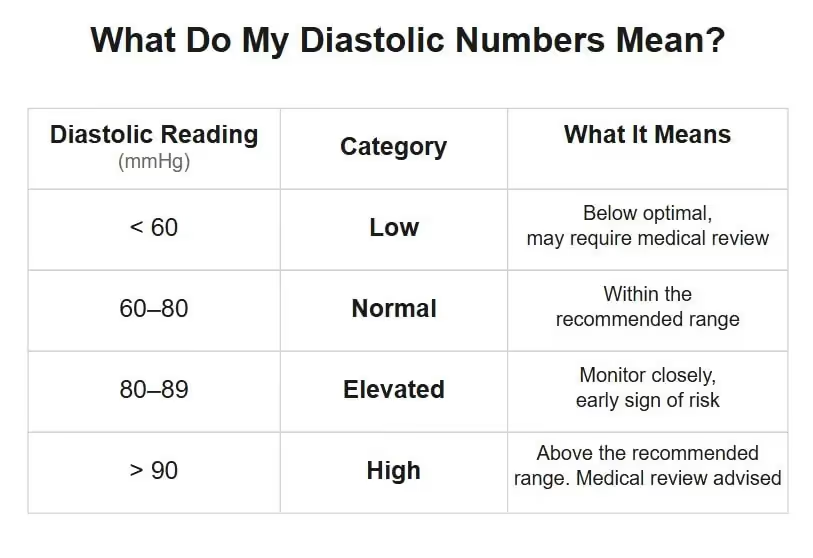
Diastolic blood pressure is classified into different categories based on its measurement:
- < 60 mmHg – Low reading
- 60–80 mmHg – Within the recommended range
- 80–89 mmHg – Elevated; requires closer monitoring
- ≥ 90 mmHg – High reading — requires medical review
The normal diastolic blood pressure range typically falls between 60 and 80 mmHg. Deviations from this range can indicate underlying health problems and require follow-up monitoring.
Who Should Prioritise Diastolic Assessment?
Essential for adults with:
- Family history: any family member with high/low blood pressure or heart disease
- Lifestyle factors: smoking, vaping, or > 2 alcoholic drinks daily
- Physical factors: BMI ≥ 25 or waist ≥ 94 cm (men) / 80 cm (women)
- Medical conditions: diabetes, high cholesterol, kidney disease
- Medications: certain medications such as NSAIDs, antidepressants, contraceptives, and certain ADHD medications
- High-stress situations: athletes, shift workers, chronic stress
Especially important for:
- Young adults with a family history of high blood pressure
- People taking multiple medications
- Anyone experiencing unexplained fatigue or dizziness
- Individuals preparing for intensive exercise programmes
Measuring Diastolic Pressure
A diastolic blood pressure test is quick, safe, and non-invasive.
For this, you would need an advanced health clinic — at Everlab, blood-pressure measurement is included for Protocol members within a broader framework of cutting-edge diagnostics (DEXA scan and advanced blood tests), alongside personalised plans and continuous tracking to optimise your health.
1. High Diastolic Blood Pressure
Genetics, lifestyle habits, and underlying health conditions can all contribute to high diastolic blood pressure. A mild increase is not usually an immediate concern, but it can be an early sign that your cardiovascular system may be under strain.
Over time, high diastolic pressure can stiffen the arteries, increase the chance of developing systolic hypertension, and raise the long-term risk of heart disease, especially as you age.
Causes of High Diastolic BP
While there isn’t always a single cause of high diastolic blood pressure, several factors are known to contribute:
- Ageing arteries – loss of elasticity makes it harder for vessels to relax
- High salt intake – increases fluid retention and raises pressure
- Smoking and excess alcohol – damage blood vessels and contribute to hypertension
- Visceral fat and insulin resistance – drive metabolic changes that elevate blood pressure
- Obstructive sleep apnoea – each apnoea episode spikes blood pressure and stresses the arteries
- Chronic stress – persistent activation of stress hormones such as adrenaline and cortisol can keep blood vessels constricted, increase peripheral resistance, and gradually raise diastolic blood pressure
2. Low Diastolic Blood Pressure
Although exact numbers vary from one person to another, diastolic blood pressure below 60 mmHg is considered low. Hypotension is the medical term for low blood pressure, meaning the pressure within the arteries may be lower than the body needs for normal circulation.
Causes of Low Diastolic BP
- Fluid or salt loss – dehydration, prolonged fasting, or very low sodium intake
- Medications – such as water tablets (diuretics), certain antidepressants, or drugs for erectile dysfunction
- Heart valve disease – aortic regurgitation can lower diastolic pressure
- Severe infections
- Nervous system conditions / autonomic dysfunction
- Over-treatment of high blood pressure – taking too much medication can push pressure too low
3. Isolated Diastolic Hypertension
Isolated diastolic hypertension (IDH) occurs when the diastolic pressure is high while the systolic pressure remains within a normal range.
It is more common in younger adults, particularly those with underlying risk factors for hypertension.
Manage Your Diastolic Blood Pressure
1) Simple Changes That Work
- Reduce salt intake, aiming for less than one teaspoon (about 5 grams) per day
- Exercise regularly, including both cardio and strength training for best results
- Prioritise sleep and let your doctor know if you snore or do not feel refreshed when waking — you may need additional investigations
- Manage stress through meditation, yoga, or whatever relaxation works for you
- Limit alcohol, ideally no more than two standard drinks per week
- Maintain a healthy body weight; even a small reduction can help lower blood pressure
2) Advanced Solutions
When basic lifestyle changes don’t work, Everlab may recommend cutting-edge diagnostics such as:
- Advanced blood testing – comprehensive panels that identify contributors like insulin resistance, inflammation, or hormone imbalances that keep your diastolic pressure high
- DEXA body composition – to measure exactly how much visceral fat you have; this fat surrounds organs in the abdomen and is linked to cardiovascular risk
- Personalised plans – based on your results, we suggest appropriate investigations and a tailored plan (diet, exercise, and other clinician-recommended steps) aligned to your needs
Note: We only measure blood pressure for Protocol members; additional tests are add-ons and not required for everyone.
Risks and Limitations
While diastolic blood pressure is an important health marker, a single reading may not always provide the full picture. Blood pressure levels can vary throughout the day due to activity, stress, or external factors. Results must be considered in context with other clinical data for accurate diagnosis and effective management.
That’s why Everlab integrates blood pressure monitoring into a broader diagnostic framework. By combining targeted diagnostics with detailed blood testing, personalised health plans, and continuous tracking, we help you move beyond single-point readings. The result is an integrated and actionable understanding of your overall cardiovascular health.
Conclusion
Whether your diastolic readings are normal, elevated, or in the concerning range, understanding your readings and taking action early can dramatically impact your long-term health outcomes.
At Everlab, we offer blood-pressure measurement for Protocol members as part of a comprehensive cardiovascular evaluation, giving you clarity on your personalised risk and a plan to optimise your health going forward.
Book your comprehensive health assessment with Everlab today!
Diastolic Blood Pressure Profiling
Your diastolic blood pressure reveals how well your arteries relax between heartbeats — a key marker of early cardiovascular strain that often goes unnoticed until it’s too late. Getting your diastolic blood pressure profiled at Everlab helps uncover hidden risks, giving you a clear, personalised picture of your heart health and what steps to take next.
%5B1%5D.avif)
%402x%20(2).svg)


imaging
biomarkers
sterols
Book a Free Discovery Call
Join 20,000+ Australians improving their health with proactive, personalised healthcare.