6 Foods That May Help Prevent Heart Disease



Heart disease remains the world’s leading cause of illness and death, affecting millions of people each year. It is a major cause of premature mortality, particularly in people under 75.
Diet plays a significant role in heart health. High salt intake that can lead to high blood pressure, unhealthy fats, and heavily processed foods all contribute to increased risk.
Many studies show the importance of dietary patterns in heart health. The Mediterranean diet is one of the most researched examples. It focuses on heart-healthy foods, including a wide range of nutrient-rich foods such as vegetables, fruits, legumes, wholegrains, nuts, fish, olive oil and moderate amounts of dairy. It also encourages keeping salt intake low. For adults, the World Health Organization recommends less than 5 g of salt per day (about one teaspoon), as too much salt can raise blood pressure. This heart-healthy pattern is consistently associated with lower rates of cardiovascular disease and reduced heart disease risk.
Below are six foods supported by clinical evidence and reputable health organisations that may help support heart protection while adding flavour and variety to everyday meals.
If you want to take this beyond general guidelines, Everlab can help you understand your personal heart-health risk early. Our doctors review your history and run comprehensive testing for key cardiovascular markers like cholesterol, blood pressure patterns, inflammation, blood sugar control and nutrient status. These tests don’t diagnose heart disease on their own, but they give you a clear baseline and a targeted plan to reduce modifiable risk over time.
1. Oats: A Heart’s Best Friend
You might wonder: how can a simple bowl of oats influence cholesterol levels?
Oats are affordable, versatile, and rich in fibre, making them easy to include in a heart-healthy diet. A 40 g serving provides around 3 g of fibre, including beta-glucan, a soluble fibre responsible for many of oats’ heart-health benefits.
They also contain insoluble fibre, which supports healthy digestion and keeps things moving smoothly.
Oats provide a useful amount of plant protein and important minerals such as magnesium, iron, zinc, selenium and B vitamins.
How beta-glucan works
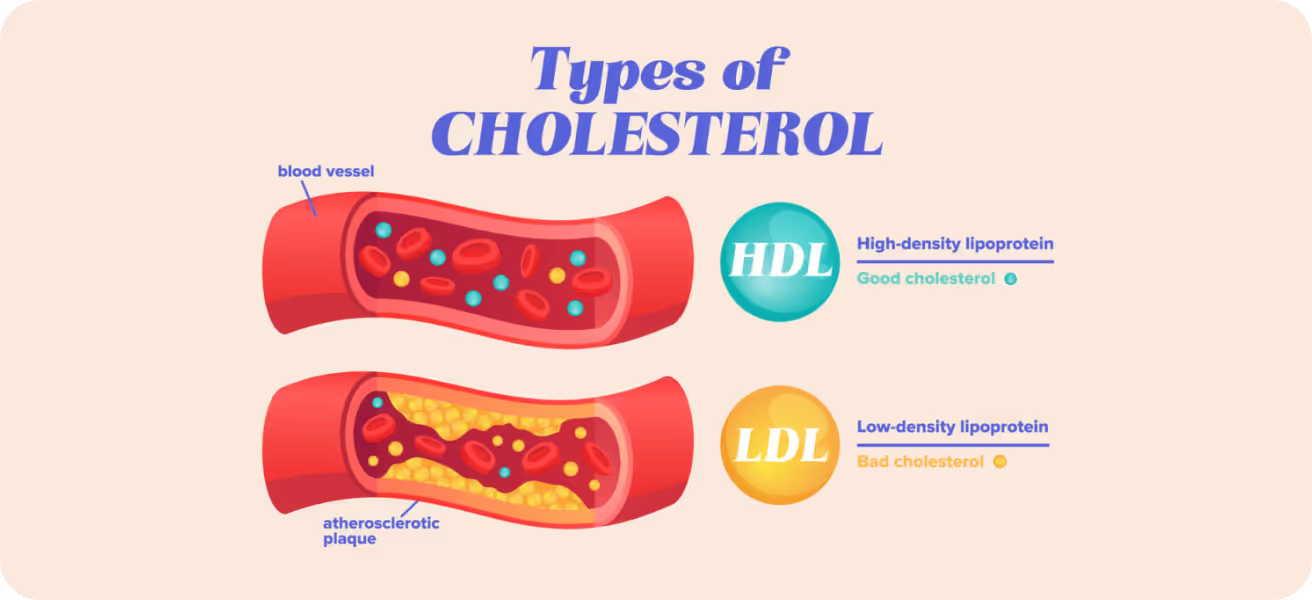
When eaten, beta-glucan forms a gel in the gut that binds to bile acids. Because the liver uses blood cholesterol to produce bile acids, it draws more cholesterol from the bloodstream, which can lower LDL (“bad”) cholesterol over time.
How to include oats
Start with rolled oats as porridge topped with berries or nuts. Rolled oats are less processed than instant sachets, which often contain added sugars. You can also add oats to smoothies, homemade muesli bars or baked snacks.
Meal idea: A porridge jar with oats, berries and nuts makes a quick, portable breakfast.
2. Omega-3 Rich Foods
Omega-3 and omega-6 fats are essential fats for heart and blood vessel health, and they must come from food.
Omega-3 fats help reduce inflammation, support heart rhythm and lower triglycerides. Omega-6 fats are also important, and when eaten as part of a balanced diet low in saturated and trans fats, they contribute to healthy cholesterol levels.
Fatty fish such as salmon, sardines and mackerel are among the richest sources of omega-3 fats. Research shows that higher fish intake is linked with lower cardiovascular mortality. The Heart Foundation recommends eating oily fish 2 to 3 times per week to support heart health.
Limiting processed meat and choosing lean poultry more often may also support healthy blood pressure and reduce inflammation.
How to include them
Bake, grill or poach fish with herbs and vegetables. Even tinned sardines or salmon can make a nutritious, low-salt meal.
3. Berries: Antioxidant Powerhouses
Berries such as blueberries, strawberries and raspberries are rich in antioxidants and polyphenols. These compounds help protect the body from oxidative stress and inflammation, two factors linked with heart disease.
Their vibrant colours and natural sweetness make them easy to add to meals without increasing added sugar intake. Research suggests berry consumption may support cardiovascular health as part of an overall healthy diet.
Have you tried adding berries to your breakfast yet?
Tip
Add berries to porridge, yoghurt, salads or smoothies. Keeping frozen berries on hand makes it easy to enjoy them year-round. Pairing berries with lower-salt meals may further support healthy blood pressure.
4. Nuts: Nutrient-Dense Snacks
Nuts are packed with heart-friendly unsaturated fats, fibre and essential nutrients. They are satisfying, versatile, and a healthier alternative to sugary or highly processed snacks.
Regular nut consumption has been linked to improved cholesterol levels and a lower risk of cardiovascular disease. Nuts also provide minerals such as magnesium and potassium, which help regulate blood pressure.
A portion is a small handful, about 30 g. Even a handful each day can make a difference over time.
Tip: Choose whichever nuts you like, or a mixture of nuts and seeds to benefit from a wider range of nutrients. Keep a small container for easy snacks, or sprinkle nuts over yoghurt or salads. Choose plain, unsalted varieties to avoid adding extra salt or sugar.
5. Leafy Greens: Everyday Heart Support
Could adding a few handfuls of leafy greens each week really make a difference?
Evidence suggests it can. Eating leafy green vegetables regularly, as part of a diet rich in fruits and vegetables, may reduce the risk of heart disease.
Leafy and cruciferous vegetables, including spinach, kale and broccoli, contain vitamin K1, which may help protect against vascular calcification, a process involved in cardiovascular disease. They also provide fibre, antioxidants and a variety of minerals.
How to include them
Greens can be added to nearly any meal. Blend spinach into a smoothie, stir kale into soups or omelettes, or use mixed greens as a salad base. These small additions support a nutrient-rich diet without much effort.
6. Olive Oil: A Well-Researched Heart Ally
Could a simple dietary swap, like using extra-virgin olive oil, really support your cardiovascular health over time?
Olive oil, a staple of the Mediterranean diet, is widely celebrated for its protective effects on the heart and for promoting heart-healthy eating. The polyphenols in extra-virgin olive oil may be partly responsible for these benefits.
Olive oil is rich in monounsaturated fats, mainly oleic acid. Replacing saturated fats (like butter) with olive oil may help lower LDL cholesterol and support healthier arteries over time.
Tip: Use extra-virgin olive oil as your primary cooking oil for low to moderate heat, drizzle it over vegetables, or mix it into dressings for a smooth, flavourful finish. A couple of tablespoons a day, within your overall energy needs, is a simple way to support heart health.
Conclusion
Supporting heart health doesn’t require strict dieting, but rather healthy eating with balanced food choices. Adding more of these six foods that may help prevent heart disease (oats, oily fish, berries, nuts, leafy greens and olive oil), while limiting salty foods, processed meats, and saturated and trans fats, can provide long-term benefits. Each plays a role in supporting healthy cholesterol levels, reducing inflammation and promoting healthy blood pressure, which all support a healthy heart.
Combined with regular activity, enough sleep and mindful eating, these foods contribute to a lifestyle that supports cardiovascular wellbeing. They are not cures, but they form part of a balanced diet shown to help reduce heart disease risk.
If you’d like extra confidence that your everyday habits are moving your heart in the right direction, Everlab can help you measure what’s going on under the hood. With doctor-led consultations and advanced biomarker testing, we look at things like lipid balance, insulin sensitivity, inflammation, and body composition to spot early shifts before they become problems. It’s not a diagnosis, but it’s a practical way to track your cardiovascular health and fine-tune your prevention plan with your doctor.
Sources:

Steven is a specialist general practitioner, preventative health consultant, medical educator, healthcare entrepreneur and co-founder of Everlab. With 15+ years of clinical experience, and driven by his passion for preventive care outcomes, Steven is dedicated to personalised and innovative approaches to enhance well-being, extend human lifespan, and improve healthspan.


Clinician, medical educator, and med-tech developer with 16+ years of clinical experience and 25+ years in the health industry. Passionate about proactive longevity, preventative health, and optimising health outcomes through innovative, integrated, and holistic approaches. Experienced across rural emergency medicine, motorsport medicine, and longevity-focused care, with a research background in gastrointestinal health and a first-author publication. Dedicated to enhancing well-being, healthspan, and lifespan through evidence-based, forward-thinking healthcare solutions.