














Heart Disease Prevention Programs: What Are They and How Do They Help You?
Learn how heart disease prevention programs help track key risk factors, support healthier habits and guide timely medical review to reduce your cardiovascular risk.



Heart disease is a leading cause of death across the globe. However, its risk can often be reduced when people receive proper guidance on suitable interventions and lifestyle adjustments. People who have a higher risk, including those with a family history, high blood pressure, high cholesterol or other factors, may benefit from structured heart disease prevention programs that offer guidance and support to improve heart health.
Heart disease prevention programs raise awareness of an individual’s heart health and risk factors, and of how to implement primary and secondary prevention strategies to support long-term outcomes. They focus on reducing the risk of cardiovascular disease and its complications, such as heart attack and stroke.
Heart disease prevention is a proactive approach to reducing the risk of coronary heart disease and other cardiovascular diseases by supporting healthy blood vessels, blood pressure and cholesterol levels. Prevention can be primary, aimed at reducing the likelihood of heart disease developing, or secondary, intended for people who already have heart disease and are at risk of further complications.
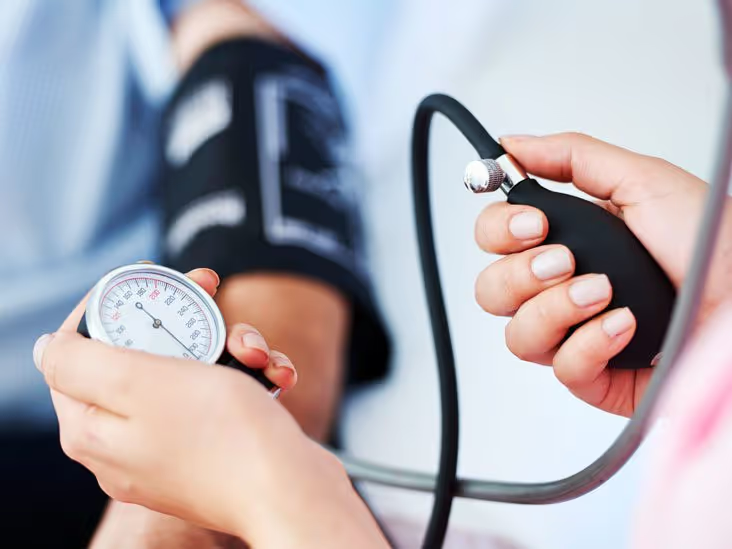
With healthy lifestyle interventions and monitoring of heart health metrics such as blood pressure, blood sugar, body mass index (BMI) and cholesterol levels, people at increased risk of cardiovascular events can better understand and manage that risk.
Heart disease is a blanket term that includes a range of cardiovascular conditions. Some examples include:
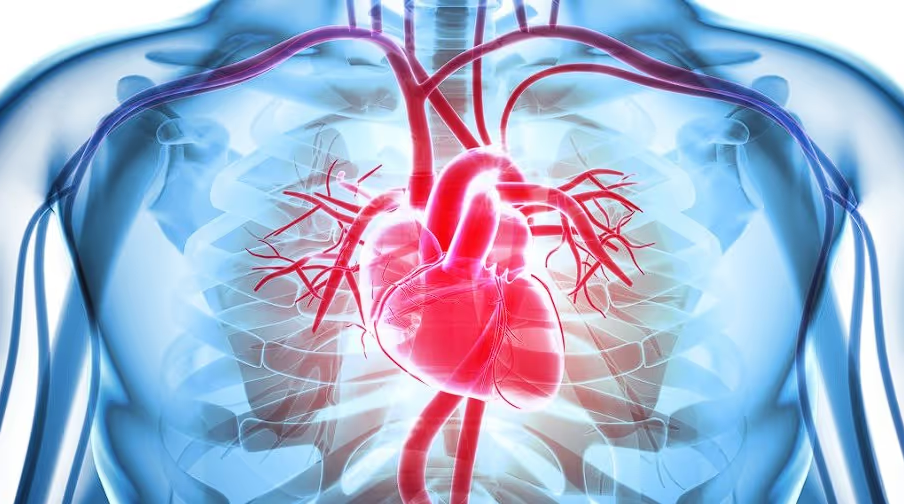
This is the most common type. Fatty deposits (plaques) build up inside the coronary arteries and reduce blood flow to the heart muscle. This can cause angina or, over time, an ischaemic event such as a heart attack.
These occur when irregularities in the heart’s electrical system cause an irregular heartbeat. The most common is atrial fibrillation, which significantly increases the chance that clots will form in the heart and lead to serious cardiovascular events.
These are conditions affecting one or more heart valves that become stenotic (narrow), regurgitant (leaky), or fail to open or close correctly. This disrupts blood flow through the heart's chambers and increases strain on the heart over time.
These conditions share overlapping risk factors such as high blood pressure, high cholesterol and diabetes, which makes early assessment and structured prevention efforts helpful.
Heart disease and stroke are influenced by various modifiable and non-modifiable risk factors.
High blood pressure, high cholesterol, irregularities in blood sugar, obesity, physical inactivity, poor diet, smoking, alcohol intake and stress.
Age, sex, family history, ethnicity and certain chronic conditions like diabetes and kidney disease.
Obesity, poor diet and inactivity can increase cholesterol levels and blood pressure, both of which are important risk factors for CHD. Smoking and excess alcohol intake also affect blood vessel health.
Primary prevention is important as these risk factors develop gradually. Secondary prevention becomes necessary once disease is present and includes treatment and management of complications.
Lifestyle interventions are considered first-line strategies for cardiovascular disease prevention. They include:
Eating more whole grains, vegetables, fruits, lean protein and healthy fats. Reducing high-cholesterol foods, saturated fats, added sugars and processed foods. A healthy diet supports weight maintenance, blood sugar regulation and healthy cholesterol levels.
An ongoing exercise routine such as walking, cycling or swimming. Physical activity helps lower blood pressure, improve cholesterol and support weight maintenance.
A healthy BMI reduces the risk of high blood pressure, diabetes and related health risks.
Stopping smoking helps prevent further damage to blood vessels.
Using coping techniques such as exercise, mindfulness practices and adequate sleep.
Heart disease prevention programs offer a structured approach to cardiovascular risk reduction and support people in managing their heart health.
These programs may help through:
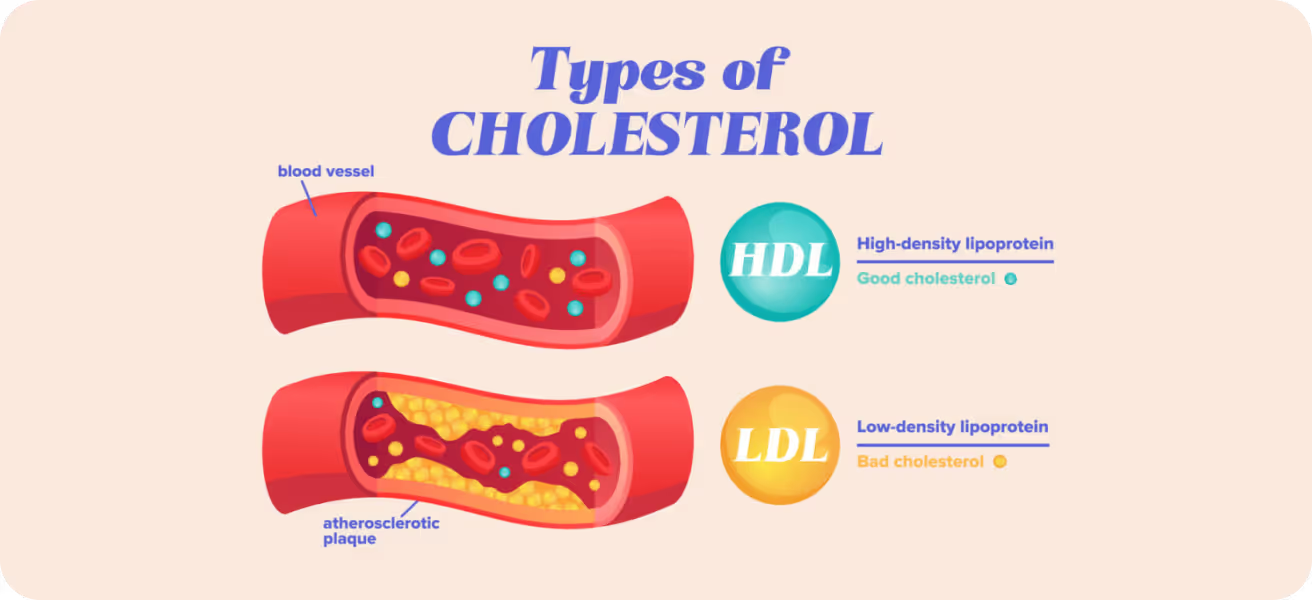
Monitoring heart health metrics including blood pressure, cholesterol levels (LDL, HDL and triglycerides), blood sugar (fasting glucose or HbA1c) and BMI.
Many risk factors for cardiovascular disease, such as high cholesterol or elevated blood pressure, develop gradually. A prevention program can help identify changes that should be reviewed by a healthcare professional before they progress further.
Health professionals in a program may provide recommendations for healthy lifestyle adjustments that support cardiovascular health.
One-on-one sessions, follow-ups, telephone health coaching or group courses may help participants stay on track and adjust their goals.
Understanding risk factors, signs and symptoms and lifestyle strategies can support participants in maintaining behaviours that promote heart health.
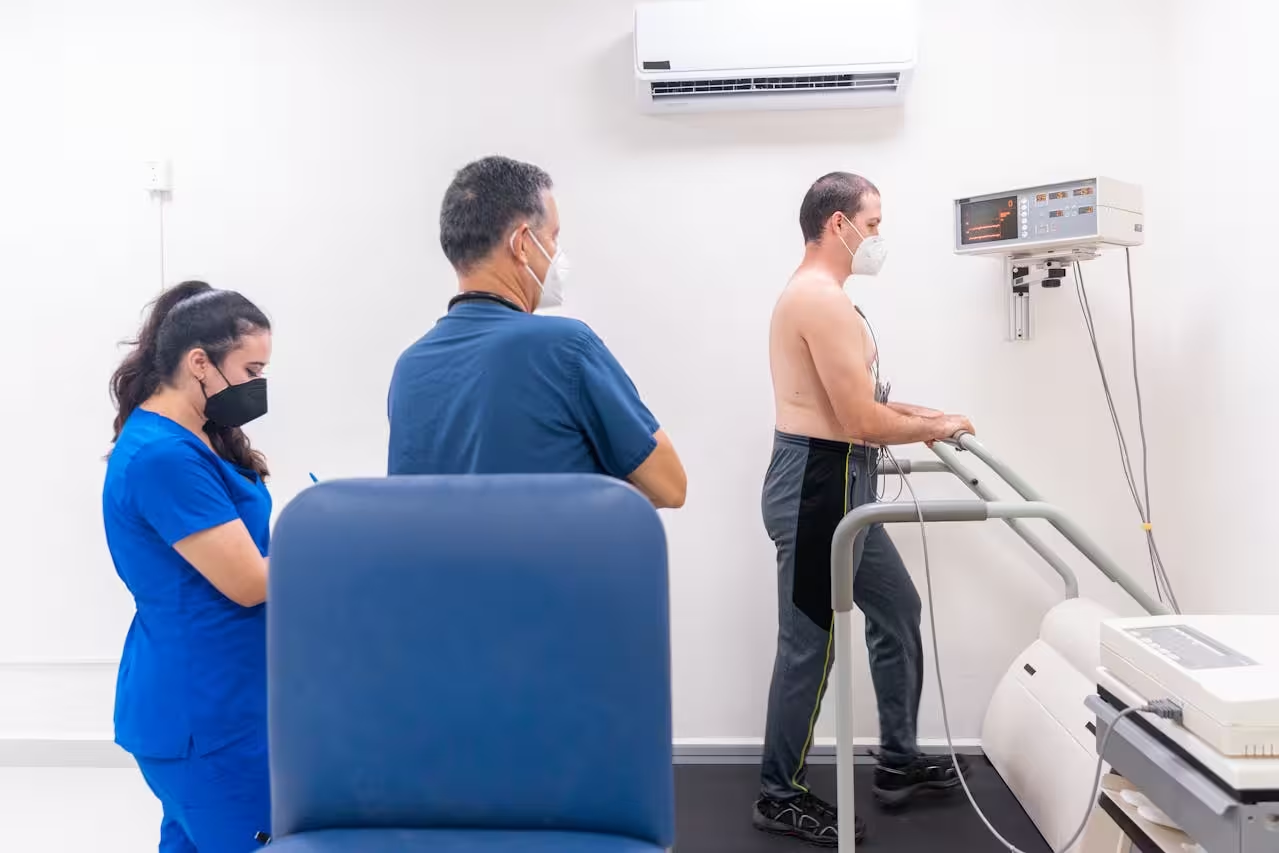
Comprehensive prevention programs often monitor:
Cardiovascular disease risk can often be reduced. Early primary prevention and timely lifestyle interventions can lower the likelihood of heart attack, stroke and other heart conditions.
Programs can help participants improve their health, track changes in risk factors and implement interventions such as:
By combining assessment, support and education, these programs provide participants with tools that help them understand and manage their cardiovascular risk over time.
Heart disease prevention programs can be an important part of holistic wellness for people seeking to understand and reduce their cardiovascular risk. Assessing personalised risk factors and biomarkers through these programs can support earlier engagement with healthcare and timely intervention when needed.
Heart disease cannot be prevented entirely, but understanding your personal risk is a powerful first step. A dedicated heart health program helps you see where you stand. At Everlab, individuals can access selected heart health biomarkers to gain insight into their cardiovascular risk factors. Results are reviewed by a doctor, helping to support informed discussions with a healthcare professional about next steps.
Clinician, medical educator, and med-tech developer with 16+ years of clinical experience and 25+ years in the health industry. Passionate about proactive longevity, preventative health, and optimising health outcomes through innovative, integrated, and holistic approaches. Experienced across rural emergency medicine, motorsport medicine, and longevity-focused care, with a research background in gastrointestinal health and a first-author publication. Dedicated to enhancing well-being, healthspan, and lifespan through evidence-based, forward-thinking healthcare solutions.


Join 1000's of Australians improving their health with proactive, personalised healthcare.

