Effective Strategies for the Prevention of Peripheral Vascular Disease

December 2, 2025
Dr. Steven Lu
Chief Medical Officer | MBBS (hons) | DCH FRACGP
Effective Strategies for the Prevention of Peripheral Vascular Disease

Peripheral vascular disease (PVD) is a broad term used for reduced blood flow in vessels outside the heart and brain. In everyday practice, it is often used interchangeably with peripheral artery disease (PAD), especially when referring to narrowing or blockage of arteries in the legs. The most commonly affected areas are the peripheral arteries of the legs and lower limbs. When these arteries narrow, less blood can reach the affected body part, causing symptoms such as leg pain with walking, reduced pain-free walking distance, and, in more severe cases, chronic limb-threatening ischaemia.

PVD is one of the most common forms of vascular disease and is classified under cardiovascular disease. It shares risk factors with coronary artery disease, cerebrovascular disease, and other vascular conditions. Because chronic vascular disease takes many years to develop, prevention efforts and risk-factor modification from an early age are important for maintaining vascular health long term.

This article discusses evidence-based primary prevention strategies that support vascular function and reduce the risk of peripheral vascular disease. This information is general and does not substitute for personalised medical advice.

What is Peripheral Vascular Disease?

Peripheral vascular disease reduces blood flow through the arteries to the legs and feet. Most often, this occurs through a gradual build-up of fatty deposits within the artery walls, which limits delivery of oxygen-rich blood to muscles and tissues. Over time, reduced blood flow may cause symptoms such as:

  • Leg pain or cramping during walking (intermittent claudication)
  • Muscle pain, tightness, or heaviness
  • Fatigue in the lower limbs
  • Reduced pain-free walking distance
  • Cool or pale skin on the affected limb

Some people experience no symptoms, particularly early on. Others find activities like climbing stairs or walking long distances increasingly challenging because the muscles are not receiving enough blood flow.

In more advanced cases, severe symptoms may include pain at rest, non-healing sores, or dead tissue (necrosis). These situations require immediate medical care to prevent complications.

Here are 10 practical strategies to help reduce PVD risk.

1. Be Aware of Common Risk Factors for PVD

Noticing risk factors early encourages prevention. Many PAD risk factors overlap with those for coronary artery disease, heart attack, and stroke.

Modifiable risk factors are behaviours or patterns you can change. Smoking is one of the strongest risk factors for PVD because it damages blood vessels, reduces arterial elasticity, and increases clot risk.

Other modifiable risk factors include:

  • High blood pressure
  • High cholesterol
  • Elevated blood sugar or diabetes
  • Excess body weight
  • Low physical activity
  • Poor dietary patterns
  • Chronic inflammation
  • Excessive alcohol consumption

Non-modifiable risk factors include:

  • Age
  • Family history of cardiovascular disease
  • Personal history of coronary artery disease or cerebrovascular disease
  • Certain chronic conditions

While these factors cannot be changed, understanding them helps you focus on what you can influence to lower overall cardiovascular risk.

2. Maintain Healthy Blood Pressure

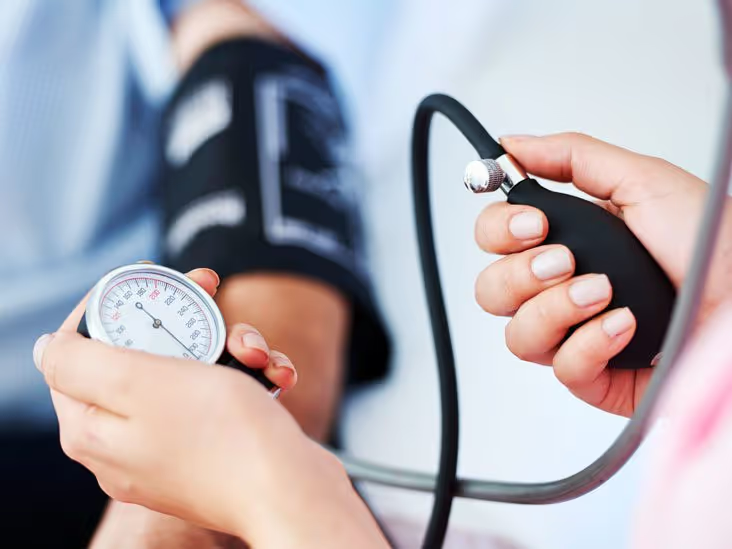
High blood pressure (hypertension) is a major contributor to vascular disease. Over time, increased pressure damages blood vessels and promotes narrowing of artery walls. Keeping blood pressure in a healthy range reduces the risk of developing PVD. Tracking your blood pressure at regular intervals also helps you see trends early.

Lifestyle changes that support healthy blood pressure include:

  • Reducing salt intake, especially from processed foods
  • Increasing potassium intake from beans, vegetables, and fruit
  • Increasing physical activity
  • Maintaining a healthy weight
  • Reducing alcohol intake
  • Managing stress and supporting good sleep
  • Eating a balanced diet

3. Keep Cholesterol Levels in a Healthy Range

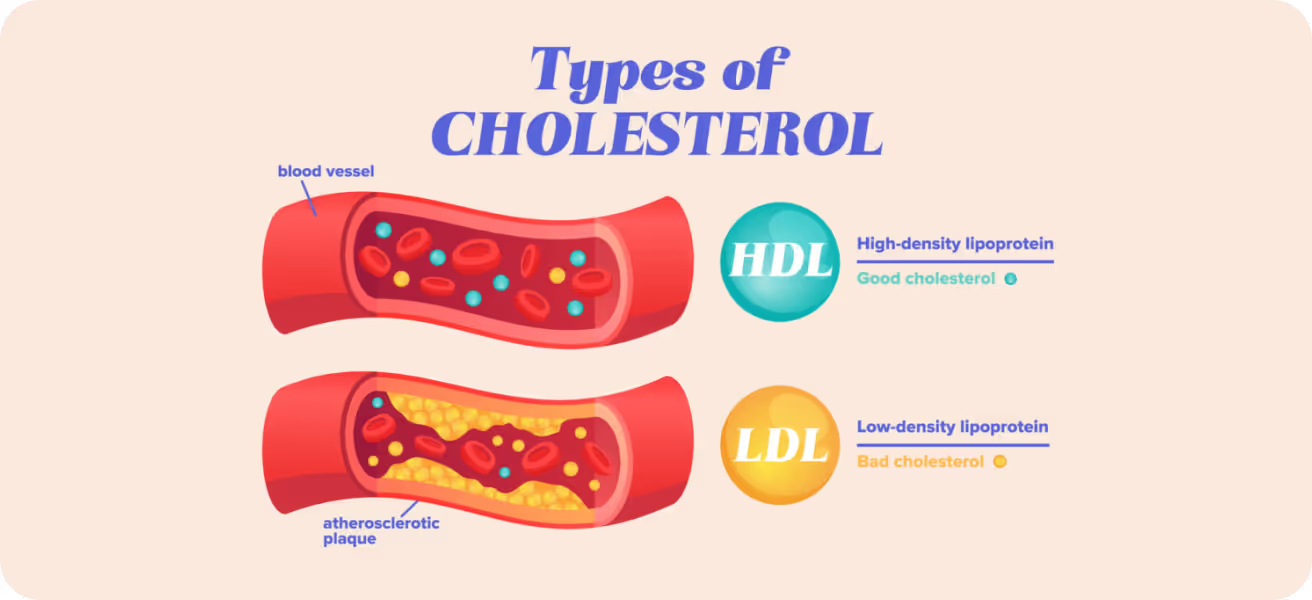
High cholesterol levels are linked to narrower blood vessels and reduced blood flow to the legs. Elevated low-density lipoprotein (LDL) cholesterol is a clear risk factor for both PVD and coronary artery disease.

A cholesterol-supportive diet involves:

  • Lower intake of saturated fats
  • More fibre from whole grains, fruit, and vegetables
  • Lean protein sources
  • Heart-healthy fats (nuts, seeds, olive oil, fatty fish)
  • Less highly processed food

4. Maintain Regular Physical Activity

Physical activity is one of the most important lifestyle steps for lowering PVD risk. Movement supports vascular function and reduces obesity, helping improve cholesterol, blood pressure, and circulation.

Regular exercise is associated with:

  • Improved circulation
  • Stronger leg muscles
  • Better walking ability
  • Lower blood pressure
  • Reduced inflammation
  • Healthier weight maintenance

For people with, or at risk of, PAD, supervised or structured walking programs are often recommended. Walking helps the body develop alternative pathways around narrowed areas, improving walking efficiency over time.

Aim to be active on most days. Walking, stair climbing, cycling, swimming, and resistance training all help. Just as importantly, move after long periods of sitting.

5. Maintain a Healthy Body Weight

Excess weight places extra strain on the cardiovascular system by contributing to high blood pressure, high cholesterol, and insulin resistance. These factors increase PVD risk.

Sustainable lifestyle changes support healthier weight management more effectively than short-term crash efforts.

Habits that promote a healthy weight include:

  • Focusing on whole foods, including vegetables, legumes, and whole grains
  • Choosing lean proteins
  • Limiting added sugars and highly processed food, takeaway, and fast food
  • Staying physically active
  • Prioritising quality sleep

6. Quit Smoking

Smoking is one of the most powerful modifiable risk factors for PVD. Chemicals in cigarettes weaken blood vessels, increase inflammation, and accelerate plaque build-up. Smoking also reduces oxygen delivery and increases clotting risk.

Benefits of quitting include:

  • Improved circulation
  • Lower risk of cardiovascular events
  • Better walking capacity
  • Lower likelihood of severe PVD complications
  • Slower narrowing of arteries over time

If you need help quitting, speak with your GP or pharmacist about evidence-based supports.

7. Eat a Heart-Healthy Diet

Nutrition plays a key role in vascular health. Dietary patterns that support cardiovascular function also help reduce the risk of peripheral arterial narrowing.

Helpful dietary habits include:

  • Eating plenty of vegetables, fruit, whole grains, legumes, and nuts
  • Limiting saturated fat
  • Limiting processed meats and fried foods
  • Eating omega-3 rich fish such as salmon or tuna
  • Cooking with healthy fats like olive oil
  • Reducing added sugars
  • Staying hydrated across the day

8. Manage Blood Sugar and Insulin Resistance

Diabetes and insulin resistance are major risk factors for peripheral vascular disease. High blood sugar creates inflammation in arteries, damages vessel walls, and reduces blood flow to the lower limbs.

Effective glucose management helps lower vascular complications and nerve changes that can occur when circulation is poor.

Lifestyle habits that support blood glucose control include:

  • Eating balanced meals with enough protein, fibre, and healthy fats
  • Limiting refined carbohydrates and added sugars
  • Increasing daily movement
  • Maintaining a healthy weight
  • Supporting good sleep (aim for 7 to 9 hours nightly)
  • Limiting alcohol intake

9. Watch for Symptoms and Warning Signs

Early diagnosis matters because symptoms can be subtle or mistaken for normal ageing.

Signs and symptoms of PVD include:

  • Leg or foot pain when walking (intermittent claudication)
  • Muscle pain or cramping
  • Tired or heavy legs
  • Slow healing of wounds in the toes or feet
  • Cold or pale skin on the affected limb

Advanced signs include pain at rest, non-healing wounds, necrosis, and severely restricted circulation. These may suggest chronic limb-threatening ischaemia and require urgent assessment.

10. Monitor Cardiovascular and Metabolic Health

Tracking risk factors helps identify vascular changes early. Programs like Everlab assess key cardiovascular and metabolic markers, including blood pressure, cholesterol, blood sugar, and inflammation. These assessments do not diagnose PVD or PAD on their own, but they can help you and your doctor monitor risk markers over time and support a personalised prevention plan.

Diagnosis of Peripheral Artery Disease

If PVD or PAD is suspected, a non-invasive test is typically recommended. The ankle-brachial index (ABI) compares blood pressure at the ankle to that at the arm. A low ABI is a key diagnostic clue. More detailed imaging, such as magnetic resonance angiography (MRA) or ultrasound, may be used to visualise blood flow and identify narrowed arteries.

Medical Management of Peripheral Vascular Disease

Sometimes medical management is needed to prevent complications, depending on your health profile and the severity of disease.

Management strategies may include:

  • Cholesterol-lowering therapies
  • Blood pressure management
  • Antiplatelet medicines to reduce clot risk
  • Support for smoking cessation
  • Structured walking programs
  • Monitoring for worsening symptoms

In advanced symptomatic PAD, vascular surgeons may recommend angioplasty, stenting, or bypass surgery to restore blood flow. These decisions are guided by clinical assessment and imaging.

Key Takeaway

Peripheral vascular disease develops gradually and is influenced by both modifiable and non-modifiable factors. Although no single change can prevent PVD entirely, supporting cardiovascular health through consistent lifestyle habits, quitting smoking, and managing blood pressure, cholesterol, and blood sugar can meaningfully reduce risk.

Prevention relies on early action, steady risk-factor modification, and long-term monitoring.

Sources

  1. Peripheral arterial disease, Australian Institute of Health and Welfare.
  2. Peripheral artery disease in lower limbs, RACGP. (RACGP)
  3. Peripheral arterial disease screening and ABI use, RACGP and JAMA reviews.
Dr. Steven Lu
Chief Medical Officer | MBBS (hons) | DCH FRACGP

Steven is a specialist general practitioner, preventative health consultant, medical educator, healthcare entrepreneur and co-founder of Everlab. With 15+ years of clinical experience, and driven by his passion for preventive care outcomes, Steven is dedicated to personalised and innovative approaches to enhance well-being, extend human lifespan, and improve healthspan.

Peripheral vascular disease (PVD) is a broad term used for reduced blood flow in vessels outside the heart and brain. In everyday practice, it is often used interchangeably with peripheral artery disease (PAD), especially when referring to narrowing or blockage of arteries in the legs. The most commonly affected areas are the peripheral arteries of the legs and lower limbs. When these arteries narrow, less blood can reach the affected body part, causing symptoms such as leg pain with walking, reduced pain-free walking distance, and, in more severe cases, chronic limb-threatening ischaemia.

PVD is one of the most common forms of vascular disease and is classified under cardiovascular disease. It shares risk factors with coronary artery disease, cerebrovascular disease, and other vascular conditions. Because chronic vascular disease takes many years to develop, prevention efforts and risk-factor modification from an early age are important for maintaining vascular health long term.

This article discusses evidence-based primary prevention strategies that support vascular function and reduce the risk of peripheral vascular disease. This information is general and does not substitute for personalised medical advice.

What is Peripheral Vascular Disease?

Peripheral vascular disease reduces blood flow through the arteries to the legs and feet. Most often, this occurs through a gradual build-up of fatty deposits within the artery walls, which limits delivery of oxygen-rich blood to muscles and tissues. Over time, reduced blood flow may cause symptoms such as:

  • Leg pain or cramping during walking (intermittent claudication)
  • Muscle pain, tightness, or heaviness
  • Fatigue in the lower limbs
  • Reduced pain-free walking distance
  • Cool or pale skin on the affected limb

Some people experience no symptoms, particularly early on. Others find activities like climbing stairs or walking long distances increasingly challenging because the muscles are not receiving enough blood flow.

In more advanced cases, severe symptoms may include pain at rest, non-healing sores, or dead tissue (necrosis). These situations require immediate medical care to prevent complications.

Here are 10 practical strategies to help reduce PVD risk.

1. Be Aware of Common Risk Factors for PVD

Noticing risk factors early encourages prevention. Many PAD risk factors overlap with those for coronary artery disease, heart attack, and stroke.

Modifiable risk factors are behaviours or patterns you can change. Smoking is one of the strongest risk factors for PVD because it damages blood vessels, reduces arterial elasticity, and increases clot risk.

Other modifiable risk factors include:

  • High blood pressure
  • High cholesterol
  • Elevated blood sugar or diabetes
  • Excess body weight
  • Low physical activity
  • Poor dietary patterns
  • Chronic inflammation
  • Excessive alcohol consumption

Non-modifiable risk factors include:

  • Age
  • Family history of cardiovascular disease
  • Personal history of coronary artery disease or cerebrovascular disease
  • Certain chronic conditions

While these factors cannot be changed, understanding them helps you focus on what you can influence to lower overall cardiovascular risk.

2. Maintain Healthy Blood Pressure

High blood pressure (hypertension) is a major contributor to vascular disease. Over time, increased pressure damages blood vessels and promotes narrowing of artery walls. Keeping blood pressure in a healthy range reduces the risk of developing PVD. Tracking your blood pressure at regular intervals also helps you see trends early.

Lifestyle changes that support healthy blood pressure include:

  • Reducing salt intake, especially from processed foods
  • Increasing potassium intake from beans, vegetables, and fruit
  • Increasing physical activity
  • Maintaining a healthy weight
  • Reducing alcohol intake
  • Managing stress and supporting good sleep
  • Eating a balanced diet

3. Keep Cholesterol Levels in a Healthy Range

High cholesterol levels are linked to narrower blood vessels and reduced blood flow to the legs. Elevated low-density lipoprotein (LDL) cholesterol is a clear risk factor for both PVD and coronary artery disease.

A cholesterol-supportive diet involves:

  • Lower intake of saturated fats
  • More fibre from whole grains, fruit, and vegetables
  • Lean protein sources
  • Heart-healthy fats (nuts, seeds, olive oil, fatty fish)
  • Less highly processed food

4. Maintain Regular Physical Activity

Physical activity is one of the most important lifestyle steps for lowering PVD risk. Movement supports vascular function and reduces obesity, helping improve cholesterol, blood pressure, and circulation.

Regular exercise is associated with:

  • Improved circulation
  • Stronger leg muscles
  • Better walking ability
  • Lower blood pressure
  • Reduced inflammation
  • Healthier weight maintenance

For people with, or at risk of, PAD, supervised or structured walking programs are often recommended. Walking helps the body develop alternative pathways around narrowed areas, improving walking efficiency over time.

Aim to be active on most days. Walking, stair climbing, cycling, swimming, and resistance training all help. Just as importantly, move after long periods of sitting.

5. Maintain a Healthy Body Weight

Excess weight places extra strain on the cardiovascular system by contributing to high blood pressure, high cholesterol, and insulin resistance. These factors increase PVD risk.

Sustainable lifestyle changes support healthier weight management more effectively than short-term crash efforts.

Habits that promote a healthy weight include:

  • Focusing on whole foods, including vegetables, legumes, and whole grains
  • Choosing lean proteins
  • Limiting added sugars and highly processed food, takeaway, and fast food
  • Staying physically active
  • Prioritising quality sleep

6. Quit Smoking

Smoking is one of the most powerful modifiable risk factors for PVD. Chemicals in cigarettes weaken blood vessels, increase inflammation, and accelerate plaque build-up. Smoking also reduces oxygen delivery and increases clotting risk.

Benefits of quitting include:

  • Improved circulation
  • Lower risk of cardiovascular events
  • Better walking capacity
  • Lower likelihood of severe PVD complications
  • Slower narrowing of arteries over time

If you need help quitting, speak with your GP or pharmacist about evidence-based supports.

7. Eat a Heart-Healthy Diet

Nutrition plays a key role in vascular health. Dietary patterns that support cardiovascular function also help reduce the risk of peripheral arterial narrowing.

Helpful dietary habits include:

  • Eating plenty of vegetables, fruit, whole grains, legumes, and nuts
  • Limiting saturated fat
  • Limiting processed meats and fried foods
  • Eating omega-3 rich fish such as salmon or tuna
  • Cooking with healthy fats like olive oil
  • Reducing added sugars
  • Staying hydrated across the day

8. Manage Blood Sugar and Insulin Resistance

Diabetes and insulin resistance are major risk factors for peripheral vascular disease. High blood sugar creates inflammation in arteries, damages vessel walls, and reduces blood flow to the lower limbs.

Effective glucose management helps lower vascular complications and nerve changes that can occur when circulation is poor.

Lifestyle habits that support blood glucose control include:

  • Eating balanced meals with enough protein, fibre, and healthy fats
  • Limiting refined carbohydrates and added sugars
  • Increasing daily movement
  • Maintaining a healthy weight
  • Supporting good sleep (aim for 7 to 9 hours nightly)
  • Limiting alcohol intake

9. Watch for Symptoms and Warning Signs

Early diagnosis matters because symptoms can be subtle or mistaken for normal ageing.

Signs and symptoms of PVD include:

  • Leg or foot pain when walking (intermittent claudication)
  • Muscle pain or cramping
  • Tired or heavy legs
  • Slow healing of wounds in the toes or feet
  • Cold or pale skin on the affected limb

Advanced signs include pain at rest, non-healing wounds, necrosis, and severely restricted circulation. These may suggest chronic limb-threatening ischaemia and require urgent assessment.

10. Monitor Cardiovascular and Metabolic Health

Tracking risk factors helps identify vascular changes early. Programs like Everlab assess key cardiovascular and metabolic markers, including blood pressure, cholesterol, blood sugar, and inflammation. These assessments do not diagnose PVD or PAD on their own, but they can help you and your doctor monitor risk markers over time and support a personalised prevention plan.

Diagnosis of Peripheral Artery Disease

If PVD or PAD is suspected, a non-invasive test is typically recommended. The ankle-brachial index (ABI) compares blood pressure at the ankle to that at the arm. A low ABI is a key diagnostic clue. More detailed imaging, such as magnetic resonance angiography (MRA) or ultrasound, may be used to visualise blood flow and identify narrowed arteries.

Medical Management of Peripheral Vascular Disease

Sometimes medical management is needed to prevent complications, depending on your health profile and the severity of disease.

Management strategies may include:

  • Cholesterol-lowering therapies
  • Blood pressure management
  • Antiplatelet medicines to reduce clot risk
  • Support for smoking cessation
  • Structured walking programs
  • Monitoring for worsening symptoms

In advanced symptomatic PAD, vascular surgeons may recommend angioplasty, stenting, or bypass surgery to restore blood flow. These decisions are guided by clinical assessment and imaging.

Key Takeaway

Peripheral vascular disease develops gradually and is influenced by both modifiable and non-modifiable factors. Although no single change can prevent PVD entirely, supporting cardiovascular health through consistent lifestyle habits, quitting smoking, and managing blood pressure, cholesterol, and blood sugar can meaningfully reduce risk.

Prevention relies on early action, steady risk-factor modification, and long-term monitoring.

Sources

  1. Peripheral arterial disease, Australian Institute of Health and Welfare.
  2. Peripheral artery disease in lower limbs, RACGP. (RACGP)
  3. Peripheral arterial disease screening and ABI use, RACGP and JAMA reviews.
Dr. Steven Lu
Chief Medical Officer | MBBS (hons) | DCH FRACGP

Steven is a specialist general practitioner, preventative health consultant, medical educator, healthcare entrepreneur and co-founder of Everlab. With 15+ years of clinical experience, and driven by his passion for preventive care outcomes, Steven is dedicated to personalised and innovative approaches to enhance well-being, extend human lifespan, and improve healthspan.

Get the latest from Everlab

Sign up to receive our newsletter

Ready to know your true fitness level?

Your VO₂ Max score is more than a number. It’s a predictor of your long-term health. Join thousands of Australians who’ve already discovered their real endurance potential.

Join today
Green star image
Rated 4.9/5 by Everlab Members
Tested with Clinical-Grade Accuracy
Supervised by Accredited Doctors
“As a triathlete, this test completely changed how I train. The insights are next-level.”
Daniel H., Sydney
Coronary
imaging
Advanced blood
biomarkers
3g Plant
sterols

Book a Free Discovery Call

Join 1000's of Australians improving their health with proactive, personalised healthcare.

Effective Strategies for the Prevention of Peripheral Vascular Disease

Reduce peripheral vascular disease risk with this simple tips on blood pressure, cholesterol, smoking, diet, activity, early signs and monitoring.

Everlab - Australia’s leading personal longevity clinic.

Learn more