7 Reasons Why You are Always Tired and Have No Energy (Female)





If you are constantly wondering why you are always tired and have no energy, you are certainly not alone. Many women describe a heavy, draining fatigue that peaks in the afternoon, even when they are doing everything right. Sounds familiar? It is frustrating when your energy levels don't seem to match the effort you put into your health.
The most common causes of fatigue in women include poor quality sleep, iron deficiency, and chronic stress. While many women have come to accept that feeling tired, weak, or drained of energy is the price to pay for a busy life, it is usually a sign of an underlying cause that needs attention.
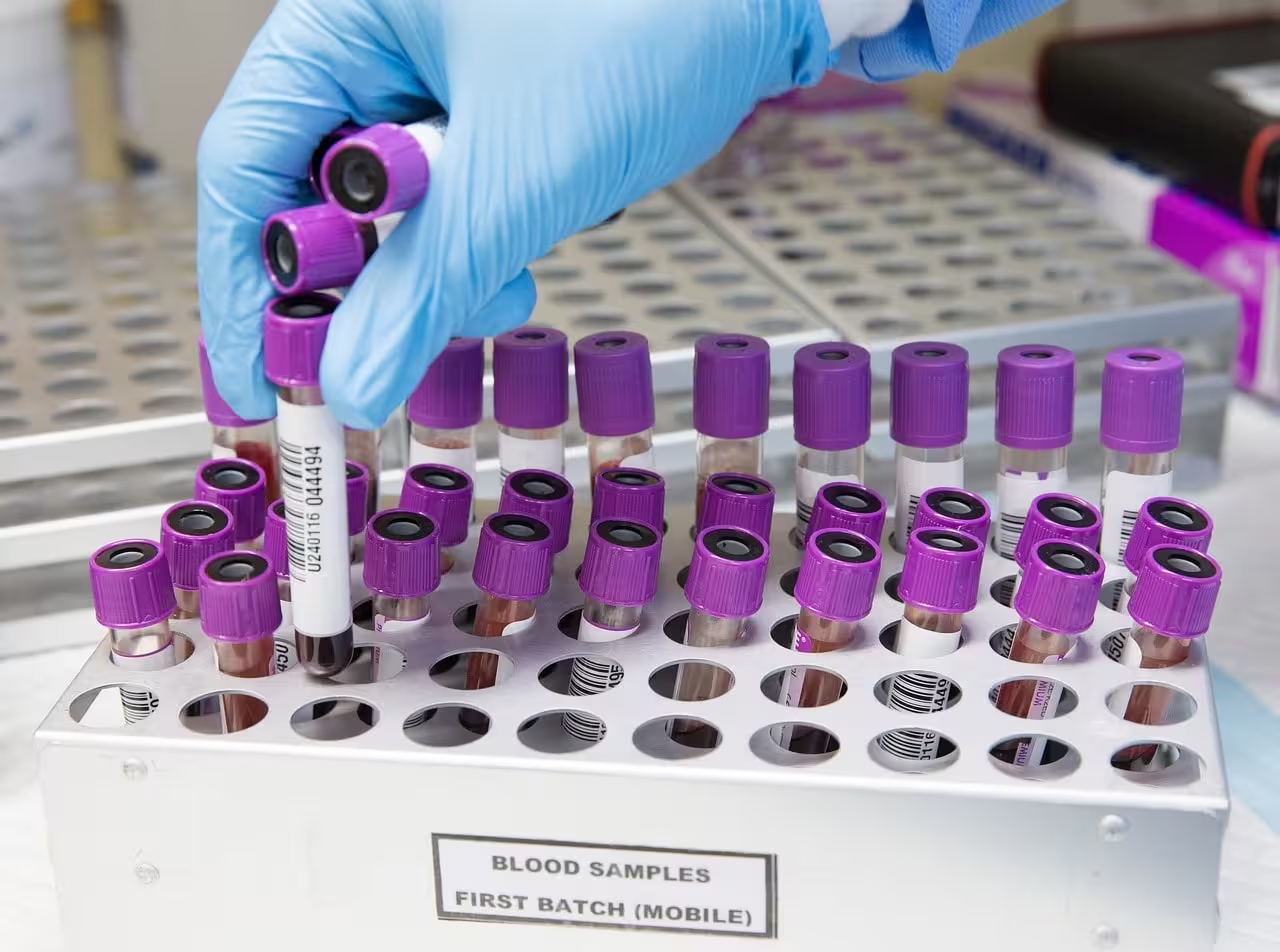
It is normal to see a GP, complete routine blood tests, and hear the results are “within range.” While these tests are essential for ruling out major medical conditions, they are designed for acute screening. Everlab offers extra context by looking at over 100 biomarkers, helping you take more informed measures alongside your existing medical care.
Key Takeaways
- Fatigue can be persistent even when routine results look normal, and it frequently has more than one driver.
- Sleep, iron, thyroid function, hormones, stress, hydration, and sleep disorders can interact and amplify low energy. So, tackling one factor may not be enough.
- Comprehensive biomarker testing helps reveal patterns that routine panels can fail to detect. This aids in clearer conversations with the doctor.
What Does Fatigue Actually Feel Like for Women?
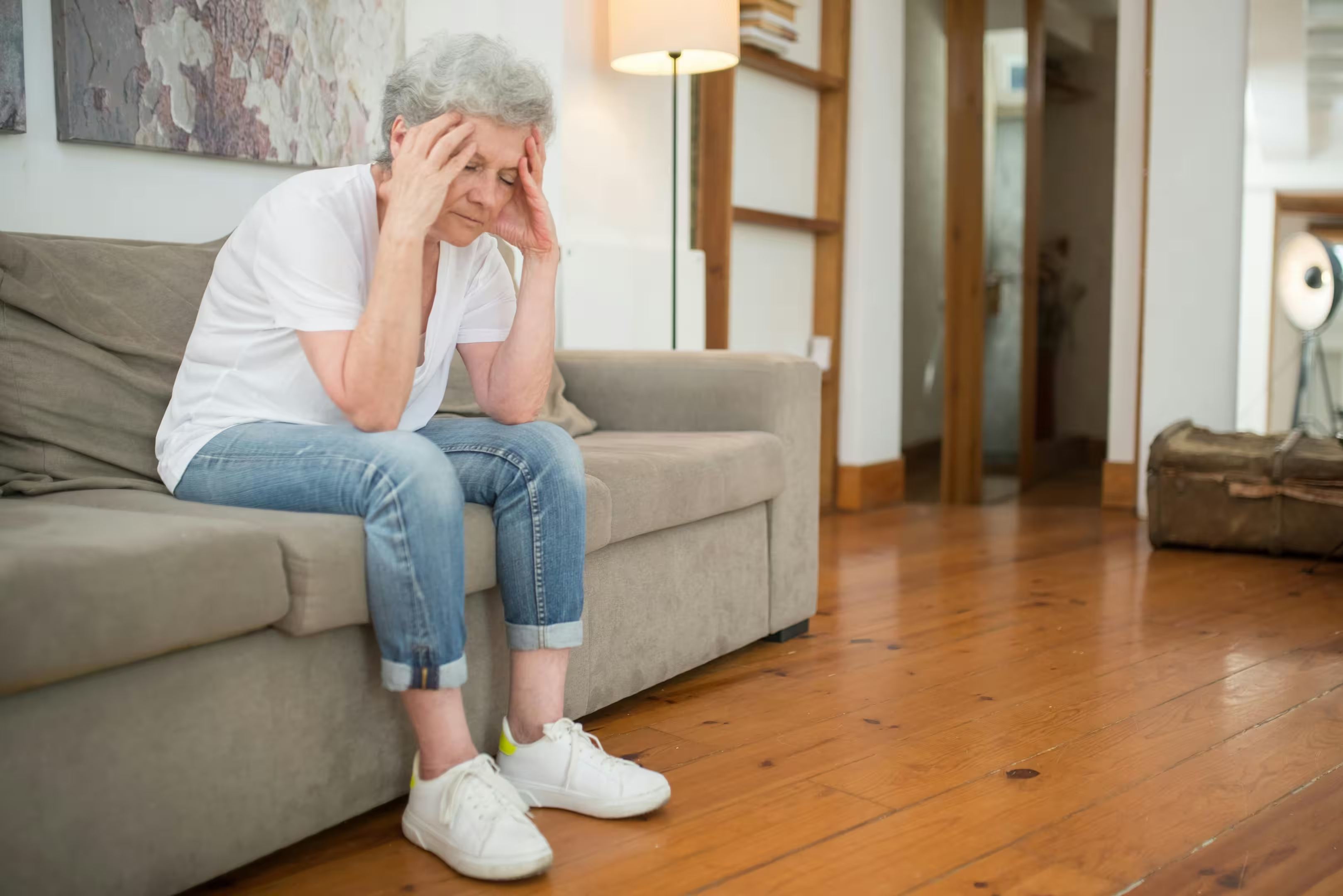
Fatigue is more than just feeling a bit sleepy. It is a persistent lack of energy for day-to-day activities that rest doesn't seem to fix. This chronic fatigue often persists despite adequate rest. Common fatigue symptoms include:
- Extreme tiredness that doesn't improve heavily after a weekend of rest.
- Trouble concentrating or feeling like your cognitive processing has slowed down.
- Low mood or experiencing a decrease in motivation.
1. Sleep Quality and Restorative Cycles
If you are getting enough sleep but still waking up exhausted, the issue is likely poor quality sleep or a broader sleep disorder. If your sleep pattern is fragmented, your body doesn't get the chance to fully reset. Most adults need 7 to 8 hours of sleep per night to prevent fatigue.
Sleep disorders, such as insomnia or sleep apnea, are more prevalent in women and can ruin your energy without you even knowing it. To maintain better sleep habits, try maintaining a consistent sleep schedule and drinking alcohol or caffeine less frequently before bed to promote better sleep quality.
2. Iron Deficiency Anemia
Iron deficiency is a leading physical cause of exhaustion in women of reproductive age. Iron is essential for healthy red blood cells to carry oxygen; when your iron levels are low, your stamina takes a hit. Iron deficiency anaemia is a common medical condition often caused by heavy periods.
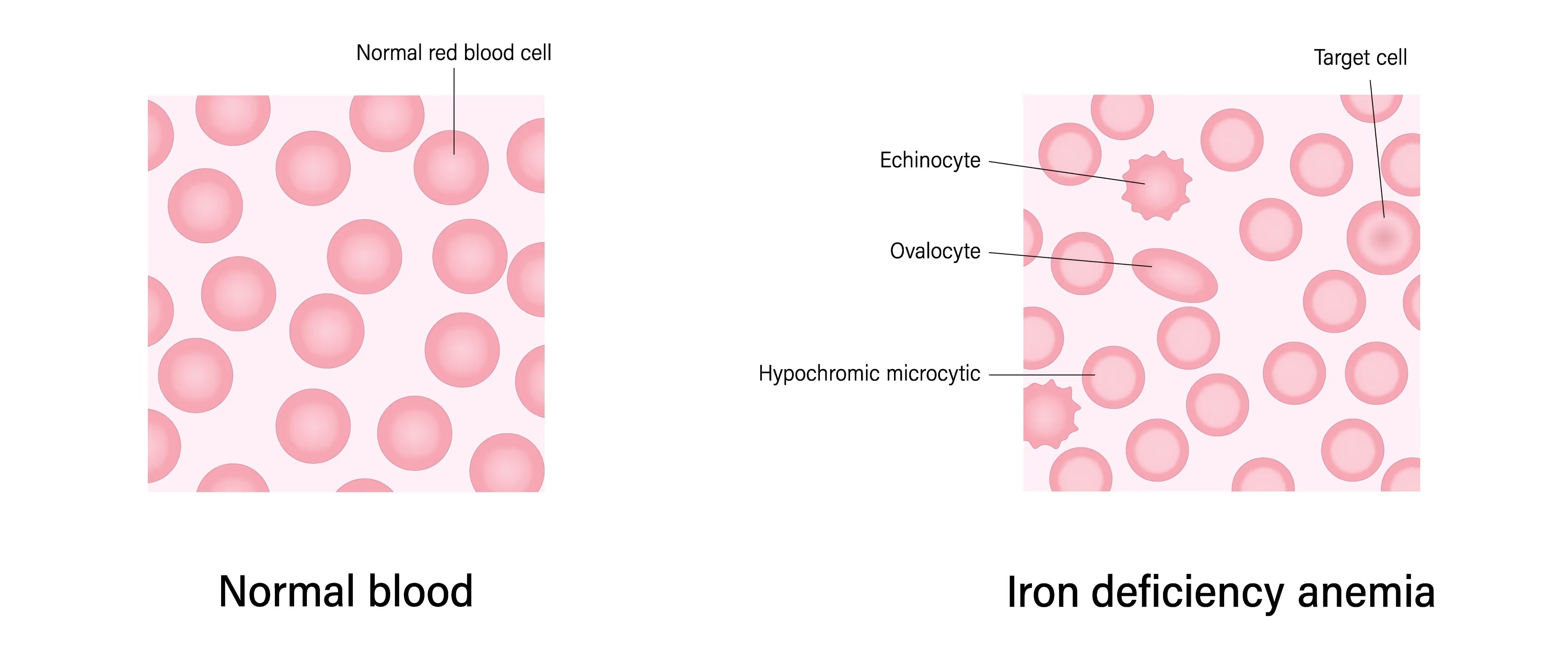
You can feel fatigued even before you develop clinical iron deficiency anemia. Signs to watch for include shortness of breath during light activity or a persistent heavy feeling in your body.
3. Thyroid Problems and Metabolism
Thyroid problems, specifically an underactive thyroid (hypothyroidism) or an overactive thyroid (hyperthyroidism), are common causes of fatigue. In fact, women are 5 to 8 times more likely than men to have thyroid issues.
An underactive thyroid can lead to weight gain, constipation, and cold sensitivity. If left unmanaged, underactive thyroid affects your metabolic rate. Conversely, an overactive thyroid might cause weight loss and heart palpitations. Even mild fluctuations in these health conditions can influence your energy.
4. Hormonal Shifts and the Menstrual Cycle
Hormones influence everything from your appetite to how well you use energy. Hormonal fluctuations during the menstrual cycle can lower neurotransmitters like serotonin and dopamine, leading to sluggishness.
A hormonal disorder like polycystic ovary syndrome (PCOS) is more common in women of reproductive age and can lead to fatigue by impacting how your body manages insulin. Similarly, fluctuations during menopause can affect sleep habits and energy. If your exhaustion tracks with your cycle, keeping a log for your healthcare provider is a great step.
5. Chronic Stress and Nervous System Strain
When you are under chronic stress, your nervous system stays in a state of high alert. This "go mode" often leads to a "wired but tired" feeling and a significant afternoon crash. Over time, chronic stress can affect your metabolic stability and increase inflammatory markers, making recovery much harder. High-stress lifestyles and a sedentary lifestyle often contribute to this cycle of low energy.
6. Sleep Disorders like Sleep Apnea
Sleep apnea is a condition increasingly recognised in women. It can lead to morning headaches and daytime exhaustion because it interrupts deep, restorative sleep. Unlike the loud snoring regularly associated with men, women might experience more subtle signs like unrefreshing sleep. Because it fragments your sleep quality, sleep apnea is a major risk factor for unexplained fatigue.
7. Chronic Fatigue and Chronic Fatigue Syndrome
It is helpful to distinguish between chronic fatigue (a symptom) and chronic fatigue syndrome (ME/CFS). Chronic fatigue can be caused by various lifestyle factors or nutrient gaps. However, chronic fatigue syndrome is a long-term medical condition that causes extreme tiredness and is more prevalent in women.
If you are concerned about chronic fatigue syndrome, your doctor will likely perform a physical examination and review your medical history to rule out other health conditions like multiple sclerosis or autoimmune issues.
Why Routine GP Tests May Not Explain Unexplained Fatigue
Routine panels are designed to safely rule out common conditions. While these tests can be reassuring and generally catch major red flags early, normal results don’t necessarily mean that “nothing is wrong." In fact, it might indicate that the root issue is earlier, more subtle, and spreads across different systems.
However, if your results are normal but you still feel unwell, it might be because:
- Early-stage shifts in thyroid or hormonal health aren't always the primary focus of standard screening.
- Nutritional gaps, such as low Vitamin B12 or Vitamin D, are trending downwards but haven't hit the threshold.
- Lifestyle factors, including a sedentary lifestyle or mild dehydration, are interacting to drain your energy.
This is also why tracking your symptoms is essential; maintaining a clear timeline of fatigue, changes in sleep patterns, and menstrual cycle variations can help your medical professional identify potential underlying causes more efficiently.
How Advanced Biomarker Testing Supports Better Energy
When unexplained fatigue persists, looking deeper can provide the clarity you are looking for. Advanced testing examines nutrient levels, inflammatory signals, and metabolic health.
Everlab reviews 100+ biomarkers to identify subtle trends that routine tests might not focus on. This isn't about replacing your healthcare provider; it is about providing a more detailed map to help you and your doctor manage your health more effectively through targeted lifestyle changes.
What Can You Do Right Now to Fight Fatigue?
While you work with your doctor, a few lifestyle changes can support your energy levels:
- Eat regular meals: This helps stabilise energy; try to include healthy snacks to avoid long gaps.
- Hydrate early: Even mild dehydration can significantly impact mental and physical performance.
- Engage in physical activity: Regular exercise, such as moderate-intensity aerobic exercise, is associated with higher energy. Starting with moderate intensity aerobic exercise, like a brisk walk, helps improve circulation without overtaxing your nervous system.
- Manage Stress: Incorporating relaxation techniques can help settle your body after periods of chronic stress.
When do you see a Doctor?
If you’re experiencing fatigue, it’s important to know when to seek medical advice. These are some specific reasons to consider a doctor's visit:
- Persistent or Worsening Fatigue: If your fatigue doesn’t go away, gets worse, or interferes with your daily activities, it’s important to consult a healthcare provider.
- Urgent Medical Care Needed: Seek immediate attention if your fatigue is accompanied by severe shortness of breath, confusion, dizziness, or bleeding.
- Multiple Symptoms Present: Schedule an appointment if your fatigue occurs alongside other symptoms like night sweats, joint pain, or ongoing concentration issues.
- Suspected Underlying Medical Condition: If you believe there may be an underlying health issue contributing to your fatigue, it’s essential to get it checked out.
- Medication Concerns: Certain medications might be causing your fatigue. So, if you suspect anaything, don't hesitate to reach out to your doctor for advice.
- Young Adults and Early Intervention: Young adults can also experience major fatigue. Addressing the issue early can help prevent long-term struggles.
Conclusion
Constant exhaustion is not a character flaw. A lot of women encounter chronic fatigue due to overlapping factors like thyroid problems and stress.
If routine results are normal but you still feel fatigued, making specific lifestyle changes or seeking a broader method can help you and your doctor identify the underlying medical condition. Everlab delivers comprehensive testing to help you make informed healthcare decisions and regain better energy.
Steven is a specialist general practitioner, preventative health consultant, medical educator, healthcare entrepreneur and co-founder of Everlab. With 15+ years of clinical experience, and driven by his passion for preventive care outcomes, Steven is dedicated to personalised and innovative approaches to enhance well-being, extend human lifespan, and improve healthspan.


Clinician, medical educator, and med-tech developer with 16+ years of clinical experience and 25+ years in the health industry. Passionate about proactive longevity, preventative health, and optimising health outcomes through innovative, integrated, and holistic approaches. Experienced across rural emergency medicine, motorsport medicine, and longevity-focused care, with a research background in gastrointestinal health and a first-author publication. Dedicated to enhancing well-being, healthspan, and lifespan through evidence-based, forward-thinking healthcare solutions.



























-thumb.avif)