

































-thumb.avif)








Afternoon Slump: 8 Reasons Why It Happens & How to Fix It
Let's understand the afternoon slump, and then see how Everlab can assist if you are experiencing extreme afternoon dips.

You are staring at your screen around 2 pm, willing yourself to focus, but it feels like someone's slowly unplugging your battery. That mid-afternoon energy crash, known as the afternoon slump, is real, biological, and happens to almost everyone. The difference? Some people barely notice it, while others feel like they have been hit by a truck.
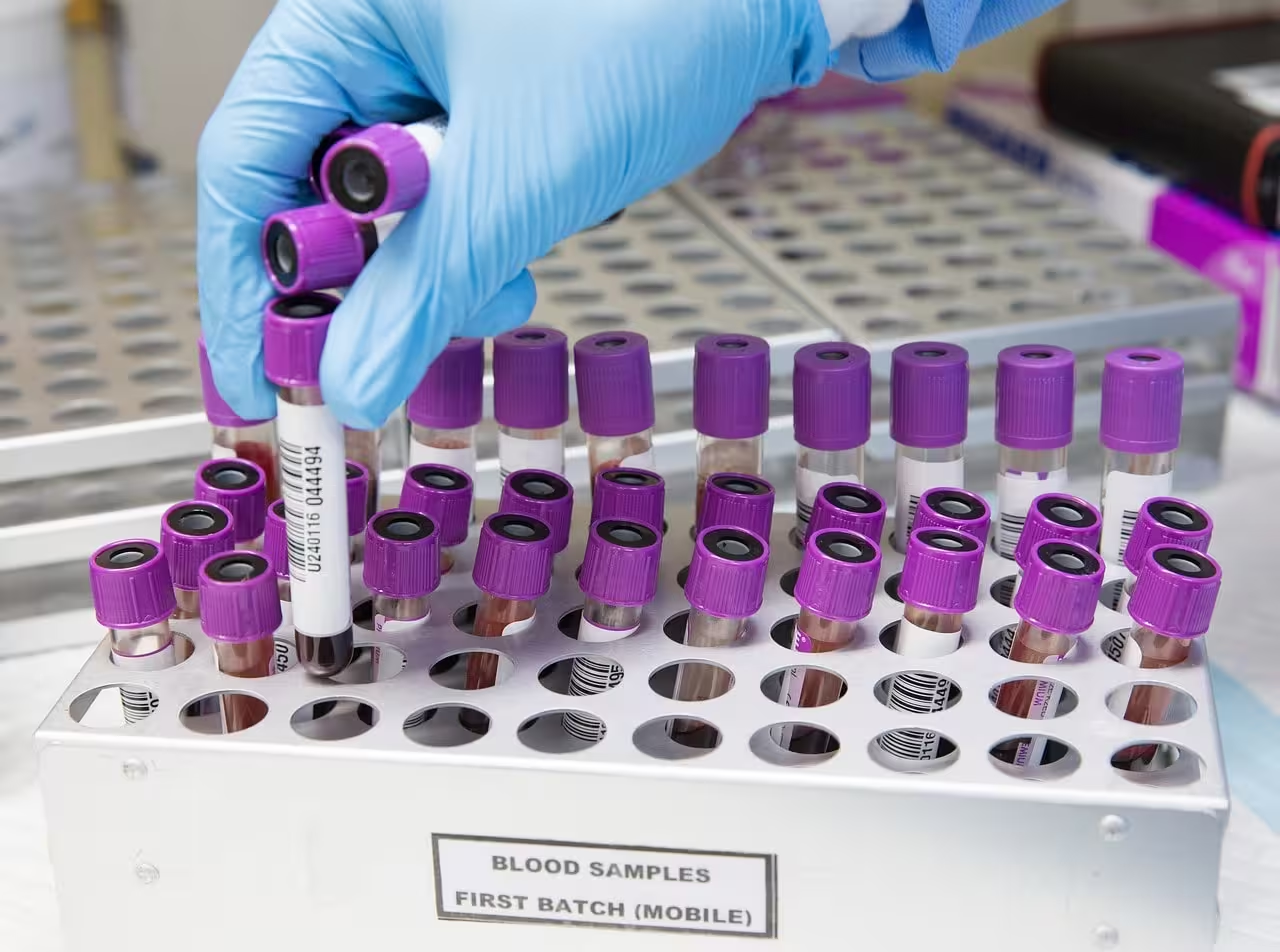
If you are in the second group and lifestyle changes haven't helped, the answer might be hidden in your bloodwork. Sometimes the difference between manageable tiredness and significant fatigue comes down to subtle health imbalances that standard screening might not prioritise, which is exactly why Everlab's comprehensive screening is important.
Let's understand the afternoon slump, and then see how Everlab can assist if you are experiencing extreme afternoon dips.
The afternoon slump typically hits between 1:00 pm and 4:00 pm, with most people feeling it strongest around 2-3 pm. It's characterised by:
This energy dip happens to almost everyone to some degree because it is biologically driven. However, the intensity varies dramatically from person to person.
This is your body's natural circadian rhythm. It can be explained as an internal clock that controls when you feel alert and when you feel sleepy, and how your energy changes throughout the day.
Your circadian rhythm creates a natural dip in your energy during the early-to-mid afternoon. This isn't necessarily about what you ate for lunch or how hard you worked in the morning.
During this window, your body becomes more sensitive to melatonin (the hormone that makes you feel sleepy) and your core temperature drops slightly. Both signal it is time to rest. This happens to people across all cultures, but for many healthy people, the shift is barely noticeable.
From the moment you wake up, your body accumulates what's called "sleep pressure".
Basically, the longer you are awake, the more your body wants to sleep.
By mid-afternoon, you have been awake for 6 to 8 hours, and your sleep pressure is building.
If you didn't have a good night's sleep the previous night, or if you have "sleep debt" for several nights, the afternoon slump hits much harder.
After you eat, your body redirects blood flow to your digestive system to break down food. Less blood to your brain can mean more fog and fatigue. This effect intensifies if you have eaten:
When you eat foods high in refined carbs and sugar, your blood sugar shoots up quickly. Your body responds by releasing insulin to bring it back down. But sometimes it overshoots, and your blood sugar crashes below where it started.
Eating carbs is linked to higher fatigue and reduced alertness in the first hour after eating. That temporary energy "boost" from sugar is usually followed by a crash that leaves you exhausted and craving more sugar to fix the problem. It's a vicious cycle.
Even mild dehydration, losing just 1-2% of your body's water, can cause fatigue and difficulty concentrating.
Most individuals do not drink enough water in the morning, and by the afternoon, dehydration starts to affect how you feel. It is subtle, but it makes the natural afternoon dip feel much worse.
For most individuals, the afternoon slump is manageable with lifestyle adjustments. But if you have the basics and you are still experiencing crushing fatigue every afternoon, something else might be going on.
Sometimes persistent, unexplained tiredness points to underlying health issues that aren't immediately obvious:
Your body needs specific vitamins and minerals to produce energy. If you are running low on any of these, you can feel persistent fatigue:
Your thyroid is a small gland in your neck that controls your metabolism, essentially, how your body produces and uses energy. When it is not working optimally, fatigue is often one of the first signs.
An underactive thyroid slows everything down, but thyroid problems can be subtle and may require looking at markers beyond basic testing.
Hormones control energy levels. When they are out of balance, fatigue often follows:
If you do not have any underlying issues, these strategies can help you reclaim your afternoons:
Include protein, healthy fats, and complex carbohydrates at every meal to keep your blood sugar steady. Good choices include:
b. Avoid heavy meals - Skip large, heavy meals and refined carbohydrates. Instead of a massive pasta dish, try a bowl with grilled chicken, roasted vegetables, and a moderate portion of whole grains.
c. Eat regularly - Small, balanced meals or snacks every 2-3 hours on slow-release carbohydrates to help keep energy levels steady.
d. Stay hydrated - Drink 6-8 glasses of water throughout the day. Don't wait until you're thirsty. By then, you're already mildly dehydrated, which can cause fatigue.
Physical activity increases blood flow and delivers more oxygen to your brain.
You don't need a full workout. Even brief movement helps:
Regular movement every hour can significantly boost blood circulation and stimulate alertness.
Natural light is great for maintaining your body's internal clock and supporting your mental clarity. Your body uses light to determine when it should feel awake or sleepy.
Try to get outside for at least 10-15 minutes in the early afternoon. Natural light exposure helps reset your internal clock and signals to your body that it's time to be alert, not sleepy.
If you work all day indoors, position your desk near a window if possible. The closer you are to natural light and fresh air, the more alert you'll feel.
Caffeine can boost alertness and focus, but drinking too much or too late can backfire.
A quick nap of 20-30 minutes between 1 pm and 3 pm can boost productivity without causing the grogginess associated with deeper sleep.
If you have tried these strategies consistently and are still experiencing a heavy post-lunch dip, a comprehensive health assessment can provide clarity.
Everlab's advanced screening looks at over 65 biomarkers across heart health, metabolism, hormones, and nutrition. This can uncover:
The goal is to understand the root causes of your dip in energy levels so you can manage them effectively rather than just masking the symptoms.
Some degree of afternoon tiredness is normal. Your body's internal clock naturally dips, and there's no fighting biology completely. But there's a big difference between a manageable dip and the crushing fatigue that hinders your day.
If lifestyle changes aren't enough, it may be time to understand what's happening beneath the surface. With the right information and targeted interventions, you can actually enjoy your afternoons again.
To learn more about your health profile, book your discovery call with Everlab now.

Clinician, medical educator, and med-tech developer with 16+ years of clinical experience and 25+ years in the health industry. Passionate about proactive longevity, preventative health, and optimising health outcomes through innovative, integrated, and holistic approaches. Experienced across rural emergency medicine, motorsport medicine, and longevity-focused care, with a research background in gastrointestinal health and a first-author publication. Dedicated to enhancing well-being, healthspan, and lifespan through evidence-based, forward-thinking healthcare solutions.


Join 1000's of Australians improving their health with proactive, personalised healthcare.

