What's a Good VO2 Max for My Age? Charts, Fitness Levels and How to Improve


What's a good VO₂ max for your age? The answer depends on your age, sex, fitness level and how your aerobic capacity is measured. For example, a VO₂ max of approximately 48 mL/kg/min for men and 37.6 mL/kg/min for women aged 20–29 sits around the 50th percentile in the FRIEND exercise-testing database. By ages 50–59, those figures decrease to approximately 32.6 and 23.4 mL/kg/min, respectively.
VO₂ max measures how efficiently your body uses oxygen during intense physical activity. It's one of the most studied markers of cardiovascular fitness and an important indicator of long-term health. Although maximal oxygen uptake naturally declines with age, regular physical activity and structured exercise can help improve or maintain your aerobic fitness.
This guide explains VO₂ max by age, what different fitness scores mean, how ageing affects oxygen consumption, and how to improve your results through evidence-based training.
What Is VO₂ Max?
VO₂ max, also called maximal oxygen uptake or maximal oxygen consumption, represents the highest rate at which your body can take in, transport and use oxygen during progressively demanding exercise. It's usually expressed in millilitres of oxygen per kilogram of body weight per minute (mL/kg/min).
Maximal oxygen consumption reflects the combined performance of your lungs, heart, blood circulation and working muscles. During physical effort, oxygen enters through the lungs, travels through the bloodstream and reaches muscles where it supports aerobic energy production. Your VO₂ max therefore provides a useful measure of maximal aerobic capacity and cardiorespiratory fitness.
A higher score generally indicates a greater capacity to sustain aerobic exercise. However, a good VO₂ max is always relative to your age, sex, health status and individual fitness goals rather than a single universal target.
What Is a Good VO₂ Max for Your Age?
A good VO₂ max is one that reflects healthy cardiorespiratory fitness for your age group and individual circumstances. Someone in their 60s shouldn't expect the same aerobic capacity as a world-class endurance athlete in their 20s. Similarly, having a below-average score doesn't automatically indicate cardiovascular disease or poor health.
The following VO₂ max charts use reference values from the Fitness Registry and the Importance of Exercise National Database (FRIEND), which collected directly measured results from treadmill cardiopulmonary exercise tests.
VO₂ Max Chart by Age: Men (mL/kg/min)
| Age | Typical (50th percentile) | Above Average (75th) | High (90th) | Very High (95th) |
|---|---|---|---|---|
| 20–29 | 48.0 | 55.2 | 61.8 | 66.3 |
| 30–39 | 42.4 | 49.2 | 56.5 | 59.8 |
| 40–49 | 37.8 | 45.0 | 52.1 | 55.6 |
| 50–59 | 32.6 | 39.7 | 45.6 | 50.7 |
| 60–69 | 28.2 | 34.5 | 40.3 | 43.0 |
| 70–79 | 24.4 | 30.4 | 36.6 | 39.7 |
VO₂ Max Chart by Age: Women (mL/kg/min)
| Age | Typical (50th percentile) | Above Average (75th) | High (90th) | Very High (95th) |
|---|---|---|---|---|
| 20–29 | 37.6 | 44.7 | 51.3 | 56.0 |
| 30–39 | 30.2 | 36.1 | 41.4 | 45.8 |
| 40–49 | 26.7 | 32.4 | 38.4 | 41.7 |
| 50–59 | 23.4 | 27.6 | 32.0 | 35.9 |
| 60–69 | 20.0 | 23.8 | 27.0 | 29.4 |
| 70–79 | 18.3 | 20.8 | 23.1 | 24.1 |
Source: Kaminsky LA, Arena R, Myers J. Reference Standards for Cardiorespiratory Fitness Measured With Cardiopulmonary Exercise Testing. Mayo Clinic Proceedings, 2015.
These values represent population percentiles rather than clinical thresholds. A score at the 50th percentile means approximately half the reference group scored higher and half scored lower.
The FRIEND figures were obtained from a US population without known cardiovascular disease. Different reference systems, including those developed by the Cooper Institute, may produce different comparisons because of differences in participants and testing methods. That's why these tables should be treated as general guidance, not definitive Australian population norms or a diagnosis of cardiovascular health.
How to Interpret Your VO₂ Max Score
Understanding your VO₂ max involves more than finding your number in a chart. A result near the 50th percentile suggests that your cardiorespiratory fitness is typical of the relevant reference group. A result near the 75th or 90th percentile indicates comparatively higher aerobic capacity.
However, several factors contribute to your individual result, including training history, body composition, health conditions and testing methods. When measuring fitness, consider whether your result comes from direct laboratory testing or an estimate produced by a fitness tracker. The comparison is most meaningful when the same measurement method and reference population are used consistently.
Importantly, a high VO₂ max doesn't rule out heart disease, while a lower score isn't a diagnosis. Fitness measurements are most useful when interpreted alongside established health assessments and individual risk factors.
Why Does VO₂ Max Decline With Age?
Ageing causes physiological changes that affect the body's ability to deliver and extract oxygen during exercise. These changes can influence cardiovascular function, muscle performance and overall aerobic capacity. VO₂ max tends to peak in early adulthood and gradually decline as people get older.
Cross-sectional studies have commonly reported declines of approximately 5–10% per decade, although this isn't a fixed rate for every person. A longitudinal study published in Circulation found that declines in peak oxygen uptake accelerated with age, from approximately 3–6% per decade in participants in their 20s and 30s to more than 20% per decade in older age groups. The rate of decline therefore varies with age, individual physiology and other contributing factors.
Changes in Heart Rate and Cardiac Output
One important age-related change is a reduction in maximum heart rate. During intense exercise, your cardiovascular system increases blood flow to deliver oxygenated blood to working muscles. Cardiac output, the volume of blood pumped by the heart each minute, is a key factor determining maximal oxygen delivery.
As maximum heart rate and certain aspects of cardiovascular function change with age, maximal cardiac output and aerobic exercise capacity may decline. This doesn't mean cardiovascular health inevitably becomes poor with age. Regular exercise remains an important way to support heart function and physical performance.
Changes in Muscle Mass and Oxygen Extraction
Age-related loss of skeletal muscle mass can also influence VO₂ max. Working muscles extract oxygen from circulating blood and use it to produce energy. The body's ability to transport and extract oxygen is influenced by factors including muscle function, mitochondrial activity and capillary density.
With ageing, reduced muscle mass and changes in muscular oxidative capacity may contribute to lower maximal aerobic performance. Strength training and aerobic exercise can help preserve physical function, although the extent of adaptation varies between individuals.
Does Being Active Slow VO₂ Max Decline?
Regular endurance training can help maintain higher cardiorespiratory fitness throughout adulthood. Research generally shows that physically active individuals tend to retain higher aerobic capacity than sedentary individuals of a similar age. However, the relationship between activity and the rate of age-related decline is complex.
Some studies suggest that maintaining training volume helps preserve aerobic performance, while others have found that declines continue even among active adults. The key message isn't that exercise completely prevents ageing-related changes. It's that maintaining regular physical activity can support a higher level of fitness and functional capacity as you grow older.
Why Are VO₂ Max Scores Different for Men and Women?
Men and women generally have different average VO₂ max values within the same age group. Differences in body composition, haemoglobin concentration, heart size, muscle mass and other physiological characteristics contribute to variation in maximal oxygen consumption. For example, the FRIEND registry reports different median VO₂ max values for men and women across every adult age group studied.
However, these are population-level averages. Individual fitness levels overlap considerably, and a well-trained woman may have a higher VO₂ max than a sedentary man of the same age. Training history and individual physiology often matter more when evaluating a particular person's performance.
How Body Weight and Body Composition Affect VO₂ Max
VO₂ max is commonly reported relative to body weight, which is why the measurement uses mL/kg/min. For example, an individual's oxygen consumption may remain unchanged in absolute terms while their relative VO₂ max increases following a reduction in body weight. This distinction matters because a higher relative score doesn't always mean the cardiovascular system has developed a greater absolute capacity to consume oxygen.
Body composition, particularly the balance between muscle mass and fat mass, can influence how results are interpreted. People with higher body fat levels may have lower body-weight-adjusted VO₂ max values despite similar absolute oxygen consumption. Changes in weight should therefore be assessed alongside muscle mass, exercise performance and overall health rather than using the VO₂ max number alone.
What About Elite Athletes and World-Class Endurance Performance?
The high percentile bands in the tables describe the upper end of a reference population, not the limits of human performance. Elite athletes, particularly distance runners, cyclists and cross-country skiers, can achieve substantially higher VO₂ max values.
Published physiological research reports that elite male endurance runners may achieve approximately 70–85 mL/kg/min, while elite female runners may achieve approximately 60–75 mL/kg/min. These figures reflect exceptional aerobic capacity developed through sustained training alongside genetic and physiological factors.
In athletic testing, maximal oxygen uptake is an important indicator of endurance potential, but it isn't the only determinant of performance. Exercise economy, lactate or anaerobic threshold, power output, training experience and sport-specific skills also contribute to competitive results. For most people, the relevant goal is improving their personal fitness level rather than reaching world-class athlete standards.
Why VO₂ Max Matters for Cardiovascular Health
VO₂ max is closely related to cardiorespiratory fitness, which is associated with cardiovascular health and long-term health outcomes. Higher cardiorespiratory fitness has repeatedly been associated with lower risks of cardiovascular disease and all-cause mortality across large observational studies.
A 2018 study published in JAMA Network Open, involving 122,007 adults undergoing exercise treadmill testing, found that higher cardiorespiratory fitness was associated with lower long-term mortality risk. The association remained important across different age groups and fitness categories. These findings help explain why assessing aerobic capacity has attracted increasing interest in preventive healthcare.
Is VO₂ Max a Clinical Vital Sign?
The American Heart Association published a scientific statement recommending greater attention to cardiorespiratory fitness in clinical practice. The statement described fitness as a potentially valuable clinical vital sign because it provides information relevant to cardiovascular risk assessment and overall health.
This doesn't mean VO₂ max should replace blood pressure, cholesterol, blood glucose or other established clinical measurements. Instead, cardiorespiratory fitness can offer additional context when healthcare professionals evaluate cardiovascular health, physical activity and future health risks.
Does a Higher VO₂ Max Reduce Your Risk of Disease?
Higher cardiorespiratory fitness is associated with a lower risk of several adverse health outcomes, including cardiovascular events and all-cause mortality. However, observational research cannot establish that improving VO₂ max alone directly causes every reported reduction in disease risk.
Regular exercise influences several cardiovascular and metabolic risk factors, including blood pressure, insulin sensitivity and body composition. The most useful approach is to view VO₂ max as one component of a broader health assessment. It's an important indicator of physical fitness, but no single measurement can fully predict cardiovascular disease or long-term wellbeing.
How to Improve Your VO₂ Max
VO₂ max responds to structured training, particularly aerobic activities that challenge the cardiovascular system. Research shows that both continuous endurance training and high-intensity interval training can improve maximal oxygen uptake.
Meaningful improvements may become measurable after approximately 8–12 weeks of consistent training, although the response varies according to initial fitness, age, exercise intensity and programme design. The goal is to combine appropriate physical effort with sufficient recovery and gradual progression.
1. Build Your Aerobic Fitness With Regular Exercise
Activities such as brisk walking, swimming, cycling and jogging help develop the aerobic energy system. Moderate-intensity exercise increases oxygen demand while remaining manageable enough for sustained activity. The World Health Organization recommends adults undertake 150–300 minutes of moderate-intensity aerobic physical activity each week, or 75–150 minutes of vigorous activity, or an equivalent combination.
It also recommends muscle-strengthening activities on at least two days each week. If you're currently inactive, start with manageable sessions and gradually increase duration or intensity. Regular physical activity is more important than attempting an advanced training programme immediately.
2. Use Zone 2 Training to Build Endurance
Zone 2 training generally refers to sustained aerobic exercise at a relatively manageable intensity. Depending on the system used to define training zones, this may correspond to activity where breathing becomes more noticeable but conversation remains possible. This type of training can help build aerobic endurance and improve your ability to sustain physical activity.
Over time, aerobic training may contribute to adaptations in muscle oxidative function and the cardiovascular system. Training zones aren't identical for everyone, and heart-rate-based estimates can be affected by age, medications and fitness level. For more individualised exercise prescription, testing can help identify appropriate training intensities.
3. Introduce High-Intensity Interval Training
High-intensity interval training, or HIIT, alternates periods of challenging exercise with lower-intensity recovery. These sessions can place a substantial demand on the cardiovascular system and may improve maximal aerobic capacity. A 2015 systematic review and meta-analysis published in Sports Medicine found that both continuous endurance training and high-intensity interval training improved VO₂ max, with the interval-training interventions showing a modest average advantage in the healthy young-to-middle-aged adults studied.
However, no specific percentage improvement can be guaranteed. Results depend on training intensity, duration, programme design and individual responses. HIIT isn't necessary for everyone and should be introduced progressively. People with relevant medical conditions, symptoms during exercise or a long period of inactivity should seek appropriate advice before beginning vigorous training.
4. Include Strength Training and Recovery
Strength training supports muscle mass, mobility and overall physical fitness. Although it doesn't replace aerobic training, it plays an important role in maintaining physical function throughout adulthood.
Rest and recovery also matter. High exercise intensity without adequate recovery can increase fatigue and make training difficult to sustain. A balanced routine should account for aerobic exercise, resistance training, recovery and individual fitness goals.
5. Track Progress and Adjust Your Exercise Prescription
Improving VO₂ max involves more than completing difficult workouts. A structured exercise prescription considers your initial aerobic capacity, training background, medical history and the physical effort appropriate for your circumstances.
Working with an exercise physiologist or appropriately qualified fitness professional can help establish realistic training zones and monitor progress. For many people, retesting after several months of consistent activity offers a clearer picture of improvement than repeatedly testing over short intervals.
How Is VO₂ Max Measured?
VO₂ max can be measured directly through laboratory cardiopulmonary exercise testing or estimated using submaximal exercise protocols, field tests and fitness trackers. Each method provides different levels of precision, convenience and clinical information.
Laboratory VO₂ Max Testing and Gas Exchange
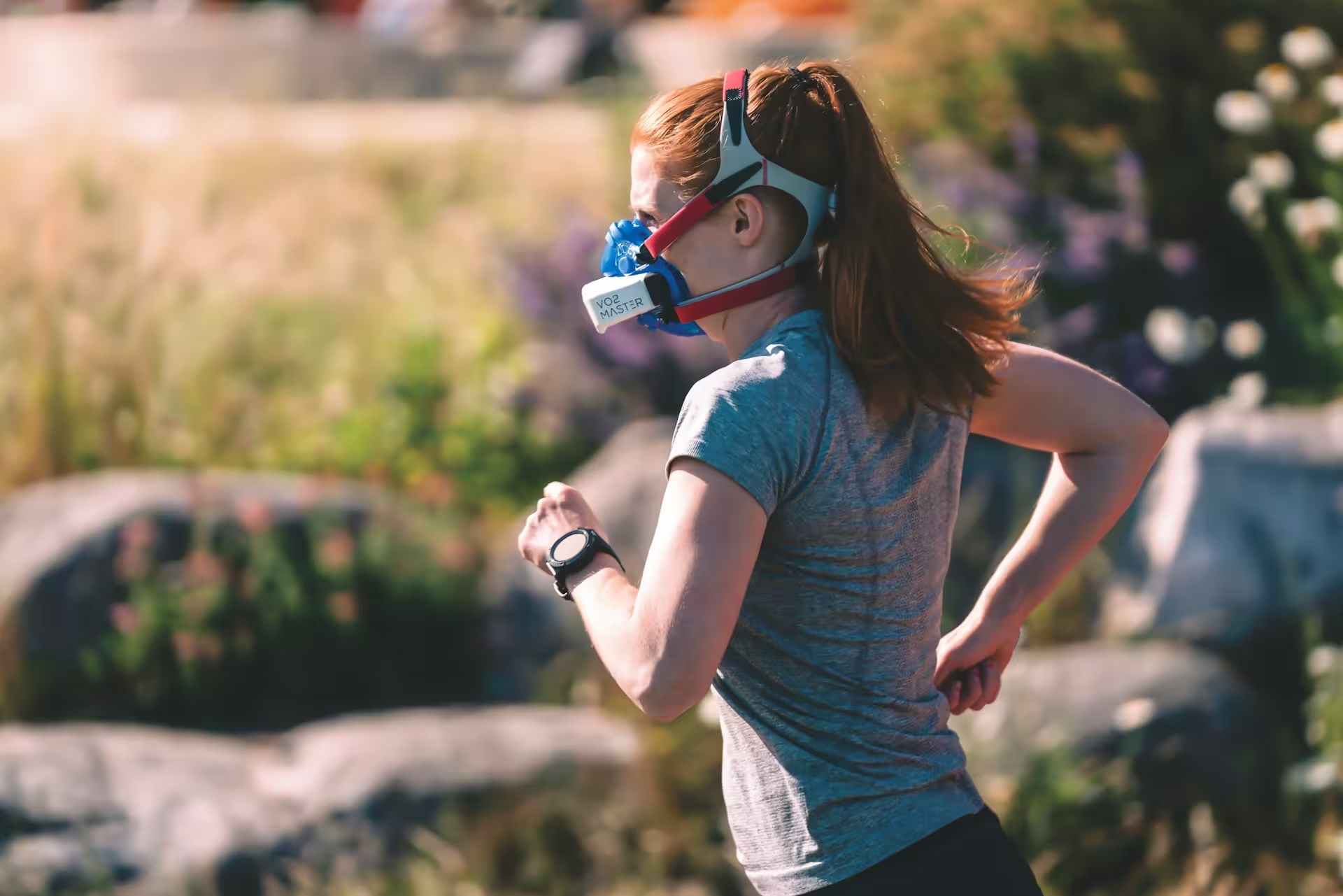
Laboratory VO₂ max testing is generally the preferred method when a directly measured result is required. During a graded exercise test, you exercise on a treadmill or cycle ergometer while wearing a mask connected to a metabolic analysis system. Exercise intensity increases progressively while the equipment analyses inhaled and exhaled air, including oxygen consumption and carbon dioxide production. The system calculates the rate of oxygen uptake and carbon dioxide output during incremental exercise.
In traditional physiological testing, VO₂ max may be supported by evidence that oxygen consumption remains relatively stable despite increasing exercise intensity. This is often called an oxygen-consumption plateau. However, a clear plateau isn't observed in every test. When the required criteria for a true maximum aren't established, the highest measured oxygen uptake may be reported as VO₂ peak. A testing professional can explain which measure was obtained and whether sufficient physical effort was achieved for valid interpretation.
Submaximal Exercise Testing
Submaximal tests estimate maximal oxygen consumption without requiring a person to exercise to exhaustion. These assessments use measurements such as heart rate, workload and exercise response to predict aerobic capacity.
One established example is the Åstrand-Ryhming test, which uses cycling at a controlled workload on a cycle ergometer and estimates aerobic fitness from heart-rate responses. Such tests may be useful when maximal effort testing isn't appropriate or available. However, they produce estimates rather than directly measured VO₂ max values, and their accuracy can differ between individuals.
Field Tests and the Cooper Institute Approach
Field tests provide practical ways of estimating aerobic fitness outside a laboratory. The Cooper 12-minute run test estimates aerobic capacity using the distance covered during 12 minutes of running. The test has a long history in exercise science, and Cooper Institute reference systems have also been used to classify cardiovascular fitness.
However, performance-based estimates can be affected by motivation, running ability, testing conditions and underlying health. They shouldn't automatically be treated as interchangeable with directly measured gas-exchange results.
Can a Fitness Tracker Measure VO₂ Max?
Many fitness trackers and smartwatches estimate VO₂ max using information such as heart rate, movement, pace and personal characteristics. These estimates can provide a convenient way to follow general trends in cardiovascular fitness.
However, the algorithms don't directly measure oxygen consumption from inhaled and exhaled air. Their accuracy depends on the device, data quality, exercise conditions and individual characteristics. For someone seeking a precise fitness baseline or an assessment to inform an individualised exercise programme, laboratory testing may provide more useful information.
What Affects the Accuracy of a VO₂ Max Test?
Several factors can influence a measured or estimated result. These include exercise modality, test protocol, equipment calibration, participant familiarity, physical effort and the criteria used to determine maximal oxygen uptake. A treadmill test may also produce a different result from a cycle ergometer test because the activities recruit different amounts of muscle mass and require different movement patterns.
Medication use, temporary illness, fatigue and some chronic diseases can affect exercise capacity. For reliable comparisons over time, it's helpful to use the same testing method and similar conditions wherever possible. An appropriately qualified professional can determine whether a test is suitable and explain any limitations of the result.
How Often Should You Test Your VO₂ Max?
VO₂ max doesn't necessarily need to be assessed frequently. For general physical fitness tracking, repeating a test every 6–12 months may provide a useful perspective on long-term changes. Athletes and people following structured exercise programmes may benefit from testing at different intervals to evaluate training adaptations.
The appropriate frequency depends on your fitness goals, clinical circumstances and whether the results are likely to influence your exercise prescription. VO₂ max should be considered alongside other measurements of physical performance, such as endurance, strength, mobility and body composition.
Frequently Asked Questions About VO₂ Max by Age
What Is a Good VO₂ Max for a 30-Year-Old?
In the FRIEND reference database, men aged 30–39 have a median VO₂ max of approximately 42.4 mL/kg/min, while women have a median of approximately 30.2 mL/kg/min. These values represent typical results within that reference population rather than universal health targets.
What Is a Good VO₂ Max for a 40-Year-Old?
For adults aged 40–49, the FRIEND median is approximately 37.8 mL/kg/min for men and 26.7 mL/kg/min for women. A higher result may indicate above-average cardiorespiratory fitness relative to the reference population.
What Is a Good VO₂ Max for a 50-Year-Old?
For adults aged 50–59, the FRIEND median is approximately 32.6 mL/kg/min for men and 23.4 mL/kg/min for women. Individual interpretation depends on testing method, medical history and training background.
What Is a Good VO₂ Max for a 60-Year-Old?
In the 60–69 age group, median results from the FRIEND registry are approximately 28.2 mL/kg/min for men and 20.0 mL/kg/min for women. These figures provide a comparison point rather than a diagnosis or required fitness threshold.
Can You Improve VO₂ Max After 50 or 60?
Yes. Cardiorespiratory fitness generally remains responsive to aerobic exercise training throughout adulthood. Although physiological ageing continues, consistent physical activity and an appropriate training programme can support aerobic fitness and functional capacity in later life.
Does VO₂ Max Decline by 10% Every Decade?
A decline of approximately 5–10% per decade is often reported in cross-sectional exercise research, but this isn't a universal rule. Longitudinal studies show that the decline varies across adulthood and may accelerate considerably in older age groups.
Can Weight Loss Increase VO₂ Max?
Weight loss can increase relative VO₂ max when expressed per kilogram of body weight, even if absolute oxygen consumption doesn't change. This is why body composition and physical performance should also be considered when interpreting changes in fitness.
Is a Higher VO₂ Max Always Better?
Higher aerobic capacity is generally associated with favourable health outcomes, but a higher VO₂ max doesn't guarantee good health or eliminate cardiovascular risk. It's best interpreted alongside other clinical measures and individual circumstances.
Measure Your VO₂ Max With Everlab
Everlab offers maximal and submaximal VO2 max testing, with the appropriate protocol determined by individual screening and clinical suitability. Maximal testing directly measures oxygen consumption, while submaximal testing provides an estimate of aerobic capacity.
Knowing your VO₂ max provides a starting point. Understanding what that result means for your cardiovascular fitness, physical performance and long-term health goals makes it more useful. Everlab's VO₂ Max & Physical Assessment includes VO₂ max testing alongside assessments of strength, stability and endurance in a 90-minute session.
Results are reviewed by expert physiotherapists and coaches to provide a more connected picture of functional health and fitness. Whether you're looking to improve endurance performance, establish a baseline or monitor changes as you age, the aim is to turn fitness measurements into informed, individualised decisions. Rather than comparing yourself with a single universal target, you can better understand your current aerobic capacity and identify opportunities to improve or maintain your physical fitness over time.
VO₂ max testing may not be suitable for everyone. Medical screening or clearance may be required before maximal exercise testing. Results should be interpreted by appropriately qualified healthcare or exercise professionals and should not be used as a standalone diagnosis.
Sources
- Kaminsky LA, Arena R, Myers J. Reference Standards for Cardiorespiratory Fitness Measured With Cardiopulmonary Exercise Testing. Mayo Clinic Proceedings. 2015.
- Fleg JL, et al. Accelerated Longitudinal Decline of Aerobic Capacity in Healthy Older Adults. Circulation. 2005.
- Ross R, et al. Importance of Assessing Cardiorespiratory Fitness in Clinical Practice: A Case for Fitness as a Clinical Vital Sign. Circulation. 2016.
- Mandsager K, et al. Association of Cardiorespiratory Fitness With Long-term Mortality Among Adults Undergoing Exercise Treadmill Testing. JAMA Network Open. 2018.
- Milanović Z, Sporiš G, Weston M. Effectiveness of High-Intensity Interval Training and Continuous Endurance Training for VO₂max Improvements. Sports Medicine. 2015.
- World Health Organization. WHO Guidelines on Physical Activity and Sedentary Behaviour. 2020.
- Cooper KH. A Means of Assessing Maximal Oxygen Intake: Correlation Between Field and Treadmill Testing. JAMA. 1968.
- Wisen AG, Wohlfart B. A Comparison Between Two Exercise Tests on Cycle: A Computerized Test Versus the Astrand Test. Clinical Physiology. 1995.
General Disclaimer: Always consult your healthcare professional about your results. This service does not replace advice from your doctor.

Steven is a specialist general practitioner, preventative health consultant, medical educator, healthcare entrepreneur and co-founder of Everlab. With 15+ years of clinical experience, and driven by his passion for preventive care outcomes, Steven is dedicated to personalised and innovative approaches to enhance well-being, extend human lifespan, and improve healthspan.



Despina is a specialist GP with interests in screening, prevention, and occupational medicine. She focuses on early assessment and practical strategies to keep people healthy.