Mounjaro: A Complete Guide to Tirzepatide for Diabetes and Weight Management





Weight loss once largely confined to bariatric surgery is now achievable with a weekly injection. In SURMOUNT-1, adults who were overweight or with obesity, but without diabetes, lost an average of roughly 15 to 21% of their body weight over 72 weeks on Mounjaro, with higher doses producing greater reductions.
Mounjaro is registered by the Therapeutic Goods Administration (TGA) for type 2 diabetes mellitus and for chronic weight management in adults with an initial body mass index (BMI) of 30 or higher, or 27 or higher with a weight-related comorbid condition such as type 2 diabetes, cardiovascular disease, or obstructive sleep apnoea. Mounjaro's active ingredient, tirzepatide, acts through a dual hormone pathway that influences both appetite regulation and glucose regulation.
Disclaimer: This article is for general informational purposes only. It does not constitute medical advice, diagnosis, or a treatment recommendation. Always consult a qualified healthcare professional before starting, changing, or stopping any medication. If you're exploring medically supervised weight management options, click the button above to start.
How Does Mounjaro Work?
Mounjaro is a dual GLP-1 and GIP receptor agonist. In practical terms, that means it mimics the action of two hormones your body releases naturally after you eat: glucagon-like peptide-1 (GLP-1) and glucose-dependent insulinotropic polypeptide (GIP). Both play a role in how your body regulates appetite and manages blood sugar levels.
Tirzepatide, its active ingredient, acts on both hormone pathways at once. This dual action is what sets it apart from many earlier treatments, which target GLP-1 alone.
GLP-1 does several things at the same time. It slows the rate at which the stomach empties, signals fullness to the brain, and prompts the pancreas to release insulin when blood sugar rises. It also suppresses glucagon, a hormone that raises blood sugar, which helps prevent levels from climbing too high. GIP works alongside it, also supporting insulin release and playing a part in how the body stores and uses energy. Together, the two hormones help keep blood sugar steadier after meals.
Acting on both pathways affects appetite, digestion, insulin release, and post-meal blood sugar together rather than in isolation. This combined effect is thought to underlie the reductions in body weight and improvements in blood sugar control seen in clinical trials.
How Does Mounjaro Affect Appetite?
Mounjaro influences appetite by changing how your body responds to food after a meal. As digestion slows and fullness signals last longer, many people feel satisfied sooner and stay full for longer, which can gradually reduce how much they eat overall.
Over time, this tends to show up as smaller portions feeling like enough, fewer urges to snack between meals, and less persistent hunger throughout the day. Combined with a reduced-calorie diet, it can support ongoing weight loss and more sustainable weight management.
Appetite effects vary from person to person and are often most noticeable during early treatment or dose escalation, before settling with continued use.
How Does Mounjaro Affect Blood Sugar and Blood Sugar Levels?
In the SURPASS-1 monotherapy trial, tirzepatide lowered HbA1c by roughly 1.9% to 2.1% across its three doses over 40 weeks. HbA1c reflects average blood sugar over the preceding two to three months, so a change of this size represents a meaningful improvement in long-term control when the medication is used alongside diet and exercise [1].
After you eat, blood sugar rises, and insulin moves glucose out of the bloodstream and into your cells. In type 2 diabetes, this response is weaker or less effective. Tirzepatide prompts the pancreas to release more insulin when blood sugar is high, which helps bring levels down after meals and keeps them steadier throughout the day. Because this effect is tied to how high your blood sugar is, it tends not to push levels too low on its own.
How quickly food moves through the gut also shapes blood sugar after meals. Mounjaro slows the passage of food from the stomach into the intestines, so glucose enters the bloodstream more gradually. The result is a slower, steadier rise after eating rather than a sharp post-meal spike.
Low blood sugar can still occur when Mounjaro is combined with other diabetes medications, particularly insulin or sulfonylureas. For this reason, treatment is managed as part of a longer-term plan with monitoring and guidance from a healthcare professional.
Weight Loss and Chronic Weight Management With Mounjaro
Mounjaro is closely associated with weight change. Substantial, consistent weight loss was seen across its clinical trials, both in adults with type 2 diabetes (the SURPASS programme) and in adults with obesity or overweight without diabetes (the SURMOUNT programme). This is what underpins its approved use in chronic weight management, alongside its use in type 2 diabetes.
Importantly, the evidence points to Mounjaro as a treatment for long-term weight management rather than rapid weight loss. As with treatments for other chronic conditions, the benefit depends on continued use.
In the SURMOUNT-4 trial, people who kept taking tirzepatide maintained and built further on their weight loss, while most of those switched to a placebo regained a significant portion of what they had lost. This reflects how obesity is now understood, as a long-term condition that treatment manages rather than cures.
Because tirzepatide reduces appetite, food intake tends to fall on its own. What matters more is the quality of that intake, prioritising protein and nutrient-dense foods to protect muscle and maintain good nutrition as weight comes down, together with regular physical activity. Depending on individual response and clinical need, treatment may support both continued weight loss and longer-term weight maintenance.
Doctors may consider it for adults whose weight contributes to other health concerns, such as type 2 diabetes or weight-related conditions like obstructive sleep apnoea. In these situations, weight loss supports broader treatment goals rather than being an end in itself. In Australia, Mounjaro is also TGA-approved specifically for the treatment of moderate to severe obstructive sleep apnoea in adults with obesity, alongside its diabetes and weight management indications.
Beyond weight and blood sugar control, tirzepatide has also been associated in trials with improved insulin sensitivity and potential benefits for cardiovascular disease risk factors, such as blood pressure and cholesterol, though it is not itself a treatment for cardiovascular disease.
Buying Mounjaro in Australia: Cost and PBS Status
Mounjaro is available in Australia only on private prescription. It is not currently listed on the Pharmaceutical Benefits Scheme (PBS) for either type 2 diabetes or chronic weight management, so patients pay the full private prescription price rather than a subsidised PBS co-payment.
Private prescription pricing varies by pharmacy and by dose, and typically increases from the starting dose up to the higher maintenance doses. Mounjaro is supplied in six strengths, 2.5 mg, 5 mg, 7.5 mg, 10 mg, 12.5 mg, and 15 mg per 0.5 mL solution for injection, so monthly cost depends on which strength has been prescribed. Ask your prescribing doctor or pharmacist for current pricing, since this can change over time and differ between pharmacies.
Mounjaro vs Ozempic: What Are the Similarities and Differences?
Mounjaro and Ozempic are often compared in wider conversations about medications originally developed for type 2 diabetes that also affect weight, and both are frequently linked to changes in appetite, body weight, and glycaemic control. The two share broadly similar treatment goals but differ in how they act in the body.
In principle, both help lower blood sugar by acting on hormones involved in appetite regulation and insulin response. They also share a similar side-effect profile, with the most common effects being gastrointestinal, including nausea, vomiting, and diarrhoea.
The main difference lies in how many receptors each one targets. Mounjaro acts on two hormone receptors involved in appetite and metabolic regulation, GIP and GLP-1, whereas Ozempic acts on one, GLP-1 alone. Because of this dual action, some adults experience greater weight change with Mounjaro, though individual responses vary widely.
Individual results depend on factors such as starting weight, metabolic health, dose progression, and tolerance. Some people respond better to Ozempic, others to Mounjaro, and some experience similar effects with both. For this reason, treatment decisions are personalised and guided by clinical response rather than by comparisons alone.
The table below summarises the major similarities and differences between Mounjaro and Ozempic.
How Is Mounjaro Taken as an Injectable Medication?
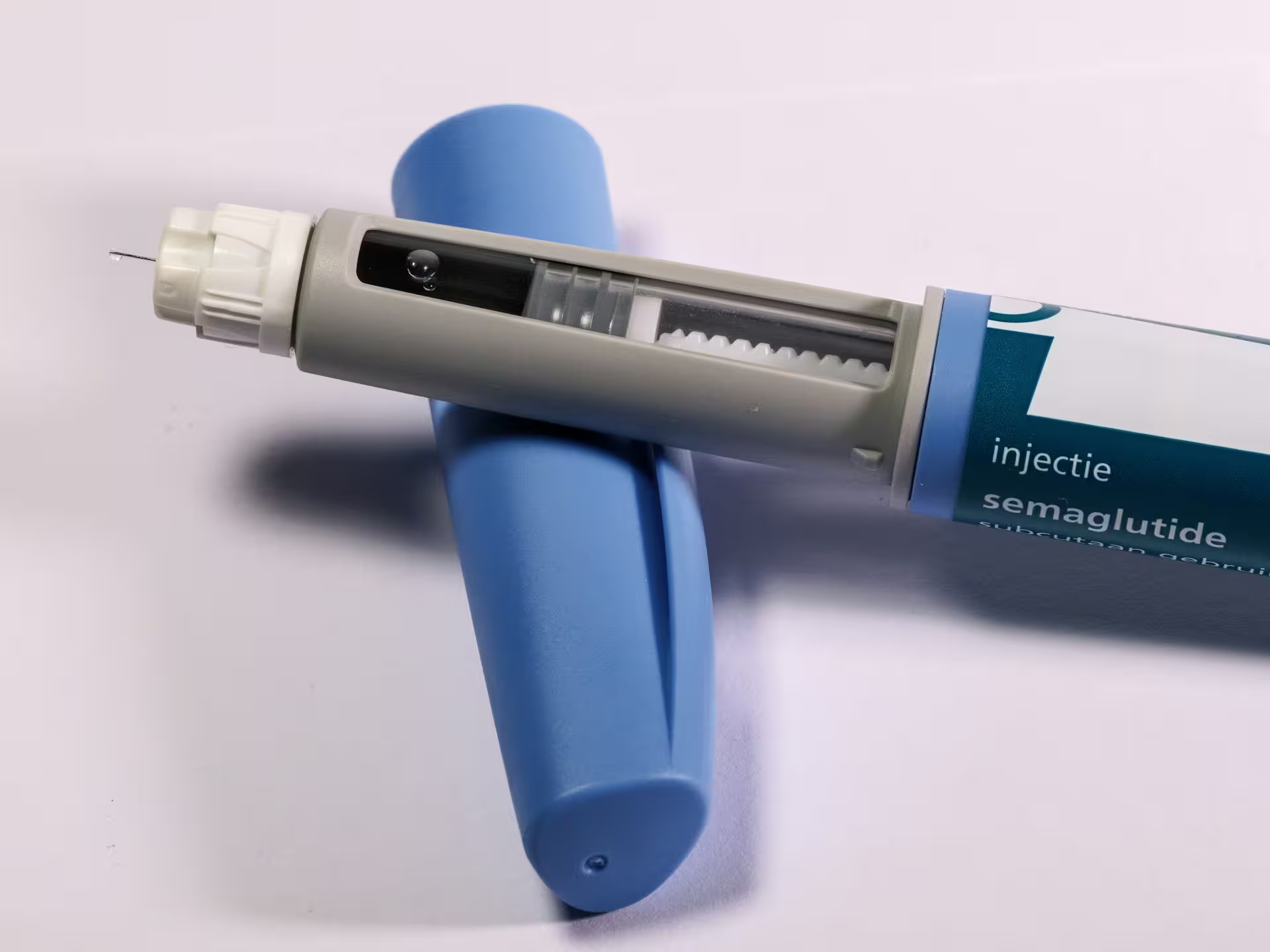
Mounjaro is given as a once-weekly injection under the skin, taken on the same day each week. It can be injected at any time of day, with or without food. Many people pick a set day and stick to it, since a consistent routine makes doses easier to remember and helps keep medication levels steady over time.
Beyond timing, it helps to understand how the medication is supplied, where it is injected, and how used equipment is disposed of.
Pre-filled pen vs. injection vial
Mounjaro is supplied as pre-filled pens and as vials. The pens are ready to use and designed to be injected without drawing up or measuring the medication, which keeps the process simple. The KwikPen holds four weekly doses, while the single-dose pen and the vial each hold one.
The vial requires the dose to be drawn into a syringe before injection and is used in particular prescribing or supply situations.
Injection sites and safe handling
Mounjaro is injected under the skin of the abdomen or thigh, with the site rotated from week to week to reduce skin irritation and improve comfort during ongoing treatment.
After use, pens, vials, and needles are placed in a sharps container: a puncture-resistant box designed to hold used injection equipment safely and reduce the risk of injury. Your treatment team will explain disposal, which follows local health guidance.
How Does Mounjaro Dosing Work?
Mounjaro is started at a low dose and increased gradually over time, based on how well a person responds to and tolerates treatment. Starting low gives the body time to adjust to the changes in appetite and digestion that can occur early on.
The dose is then stepped up over time rather than all at once, with several weeks between each increase. This spacing allows response and tolerance to be assessed before moving higher. Not everyone reaches the same dose, and a higher dose is not automatically needed for everyone.
As the dose increases, appetite tends to decrease further and fullness after meals may last longer. Some people also notice temporary side effects such as mild nausea, bloating, or slower digestion, which usually ease as the body adapts. Dosing decisions are reviewed regularly and guided by blood sugar response, weight changes, and overall treatment needs.
What Are the Common Side Effects of Mounjaro?
Common side effects reported with Mounjaro include:
- Feeling sick (nausea)
- Vomiting, which usually eases over time
- Diarrhoea
- Constipation
- Abdominal (stomach) pain
- Heartburn, a burning sensation that starts just below the breastbone and moves up towards the throat
- Indigestion (dyspepsia), or discomfort in the upper stomach
- Bloating or swelling of the stomach, which can be uncomfortable (abdominal distension)
- Burping (belching)
- Wind (flatulence)
Diarrhoea, vomiting, and abdominal pain are common, but if they become severe or persistent, or come with other warning signs, they can occasionally point to something more serious, so it is worth checking with a healthcare professional.
Low blood sugar (hypoglycaemia) can also occur, particularly when Mounjaro is used alongside insulin or a sulfonylurea. If it does, fast-acting carbohydrate such as glucose tablets can be used as advised by a healthcare professional. In Australia, Mounjaro is subject to additional monitoring, shown by a black triangle (▼), which allows any new safety information to be identified quickly. This is routine for newer medicines and does not signal a specific problem.
When Should You Seek Medical Attention?
Serious reactions are uncommon, but they need prompt care. Call your doctor straight away, or go to your nearest emergency department if you notice signs of any of the following [3]:
- Pancreatitis (inflamed pancreas): severe pain in the stomach and back that does not go away, often with vomiting and/or diarrhoea
- A serious allergic reaction: rashes, hives, itching with rapid swelling of the neck, face, mouth, and/or throat, or problems breathing or swallowing
- Gallstones or an inflamed gallbladder: sudden, severe pain in the upper stomach, fever, yellowing of the skin or eyes (jaundice), or clay-coloured stools
- Slowing or blockage of the bowel: severe stomach pain, bloating or difficulty passing wind, nausea, vomiting and/or diarrhoea, or constipation and the urge to open the bowels without being able to
If you take Mounjaro alongside insulin or a sulfonylurea, you should also be aware of signs of low blood sugar, such as shakiness, sweating, confusion, or dizziness, and treat it as advised by your healthcare professional.
Tirzepatide and related medicines in this class have been associated with thyroid C-cell tumours in animal studies. For this reason, Mounjaro is not recommended for people with a personal history of medullary thyroid carcinoma, or a family history of medullary thyroid carcinoma or Multiple Endocrine Neoplasia syndrome type 2 (MEN2). Tell your doctor if this applies to you or a first-degree relative before starting treatment.
Regular follow-up with your doctor helps keep track of any side effects and ensures the treatment remains right for you over time. As with any medicinal product, reasonable care should be taken to follow the dosing and safety information provided by your prescriber, and to seek medical attention promptly if new or worsening symptoms occur.
Pregnancy, Contraceptives, and Other Medications While on Mounjaro
1. Pregnancy and Family Planning
Mounjaro is not recommended during pregnancy. Human safety data are limited, animal studies have suggested a risk of harm to the developing baby, and the medication's effects on appetite and weight are not compatible with the increased nutritional needs of pregnancy. If you are of childbearing potential, it is best to use reliable contraception while taking Mounjaro.
2. Contraception
If you take the oral contraceptive pill, it is now recommended that you either switch to a non-oral method, such as an implant, injection, intrauterine device, or patch, or add a barrier method (such as condoms) for four weeks after starting Mounjaro and for four weeks after each dose increase [2].
3. Other Medicines and Conditions
Keep your doctor informed of all other medicines, supplements, and medical conditions, including any changes since you were first prescribed Mounjaro. Because tirzepatide slows digestion, it can affect the absorption of some oral medicines, so the starting dose and timing of certain ones, such as thyroid medication or some antibiotics taken by mouth, may need adjusting. This effect is greatest after the first dose and after each dose increase, then lessens as the body adjusts. Speak with your healthcare professional or pharmacist for further information specific to your situation.
What Lifestyle Factors Influence Long-term Results with Mounjaro?
- Diet: Because Mounjaro reduces appetite, you will tend to eat less without trying. What matters more is the quality of that intake, prioritising protein and nutrient-dense foods to protect muscle and maintain good nutrition as weight comes down.
- Physical activity: Regular movement and increased physical activity support metabolic health and help maintain weight as it stabilises. Resistance exercise in particular helps preserve muscle.
- Stress: Managing stress helps steady appetite and blood sugar over time.
- Hydration: Keeping up your fluid intake matters during treatment, especially if side effects like vomiting or diarrhoea occur.
What Do Clinical Trials Show About Mounjaro?
Beyond the weight results covered earlier, the trial programme showed strong effects on blood sugar. In the SURPASS diabetes trials, tirzepatide produced meaningful reductions in HbA1c, a key measure of long-term blood sugar control, and these reductions were greater than those seen with placebo and with several widely used treatments, including once-weekly semaglutide at the dose studied and basal insulin.
Higher doses were generally linked to larger improvements.
The benefits also extended beyond weight and blood sugar. Across the trials, tirzepatide was associated with improvements in related measures such as blood pressure and cholesterol, and, as the SURMOUNT-4 trial showed, weight loss was maintained and built upon while treatment continued.
The most commonly reported side effects were gastrointestinal, such as nausea and diarrhoea. These were more frequent during dose escalation and typically eased over time.
Together, these findings explain why Mounjaro has drawn such attention: it addresses both weight and blood sugar in a way few earlier treatments could. It is important to note that, as with any medication, the evidence is strongest when it is used as part of ongoing, supervised care.
References
- Rosenstock J, Wysham C, Frías JP, et al. Efficacy and safety of a novel dual GIP and GLP-1 receptor agonist tirzepatide in patients with type 2 diabetes (SURPASS-1): a double-blind, randomised, phase 3 trial. Lancet. 2021;398(10295):143–155. doi:10.1016/S0140-6736(21)01324-6
- Therapeutic Goods Administration. Updated contraception advice for Mounjaro (tirzepatide). Canberra: TGA; 2025 Dec 1.
- Australian Commission on Safety and Quality in Health Care. Mounjaro. Sydney: ACSQHC.
Steven is a specialist general practitioner, preventative health consultant, medical educator, healthcare entrepreneur and co-founder of Everlab. With 15+ years of clinical experience, and driven by his passion for preventive care outcomes, Steven is dedicated to personalised and innovative approaches to enhance well-being, extend human lifespan, and improve healthspan.


Dr. Roya Tabatabai is a Medical Doctor and a Certified Functional Medicine Practitioner with a background spanning NHS training and emergency medicine in Australia. She brings a root-cause, evidence-based approach to hormonal health, gut health, and metabolic optimisation - helping patients understand the data behind their health and take meaningful action. Roya has a particular interest in supporting women across all stages of hormonal change, from reproductive years through perimenopause and beyond.