
C Reactive Protein (CRP Blood Test)
C-reactive protein (CRP) is a useful indicator of inflammation in your body. While often overlooked in routine health assessments, CRP levels can provide meaningful insights about your overall health picture and what your doctor might want to look at more closely. We will explore everything you need to know about CRP: what it is, how it is measured, its connection to health, its limitations, and strategies to support healthier CRP levels for better long-term wellbeing.
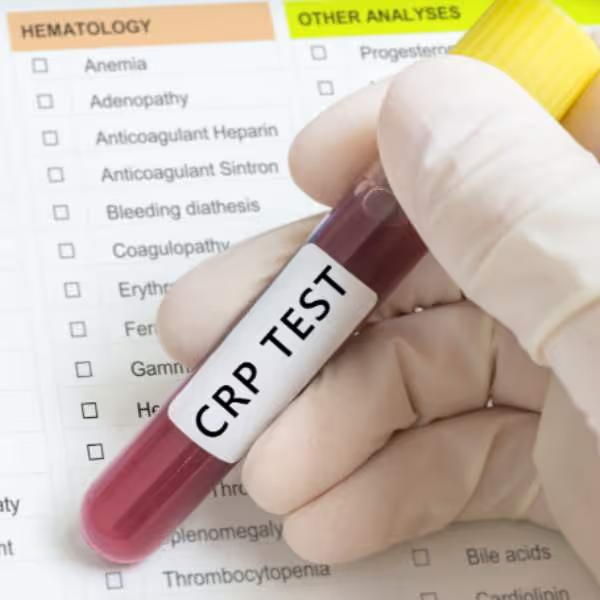
What:
Blood biomarker
Tests for:
Inflammation markers
Referral:
Required
Member cost:
Part of a larger blood panel
What Is C-reactive Protein (CRP)?
CRP is a protein produced by your liver in response to inflammation. When your body detects an injury, infection, or chronic condition, C-reactive protein levels rise to help initiate the healing process.
Why Is CRP Important?
Elevated CRP levels are often associated with chronic inflammation, which research links to a range of health concerns. Your doctor will interpret your CRP results alongside your full health picture and other biomarkers to determine what, if anything, warrants follow-up.
How Is CRP Measured?
CRP is measured with a simple blood test known as the C-reactive protein test. It is typically expressed in milligrams per litre (mg/L) of blood.
How Is a CRP Test Done?
A CRP blood test is a straightforward procedure. Here is what you can expect:
- Preparation: A healthcare professional will clean and disinfect the area where the blood sample will be taken, usually from a vein in your arm or hand.
- Blood draw: A needle will be inserted into the vein, and a small amount of blood will be drawn into a collection tube. You might feel a slight sting, but it should only last a few seconds.
- Sample collection: The blood sample is then sent to a laboratory for analysis.
- Duration: The entire process typically takes just a few minutes and is usually done in a doctor's office, clinic, or hospital.
It is important to inform your healthcare provider about any medications, supplements, or herbs you are taking, as these can affect your CRP results. If you are on non-steroidal anti-inflammatory drugs (NSAIDs) or aspirin, you may need to stop taking them for a certain period before the test to ensure accurate results.
Types of CRP Tests
- Standard CRP Test: Detects higher levels of CRP associated with infections or acute inflammation.
- High-Sensitivity CRP (hs-CRP): Measures lower levels of CRP, which are more indicative of chronic low-grade inflammation and are used by clinicians as part of cardiovascular risk assessment.
In addition to CRP tests, your healthcare provider may order other tests to get a more comprehensive understanding of what is driving inflammation.
Understanding CRP Test Results
Here is how to interpret the numbers. Your doctor will always interpret results in the context of your medical history, symptoms, and other test results.
- Normal CRP level: Typically less than 10 mg/L. This suggests there is no significant inflammation present.
- Mildly elevated (10 to 50 mg/L): May suggest a viral infection or minor inflammation.
- Moderately elevated (50 to 100 mg/L): Could indicate a bacterial infection or more significant inflammation.
- Highly elevated (above 100 mg/L): Often points to a severe bacterial infection or significant inflammatory process. Always review with your doctor promptly.
Various factors, such as smoking, recent injury, and certain health conditions, can affect CRP results. Context is everything when interpreting this marker.
The Role of Genetics in CRP Levels
While lifestyle factors play a significant role in CRP levels, genetics can also influence your body's inflammatory response. Some individuals may naturally produce higher levels of CRP due to inherited traits. Genetic testing can help identify these predispositions, offering deeper insights into your inflammation markers and guiding more personalised conversations with your doctor.
CRP and Longevity
Chronic inflammation, as indicated by persistently elevated CRP levels, is associated with accelerated ageing and the development of certain chronic conditions in research literature. Supporting healthier CRP levels through lifestyle changes may contribute to:
- Improved metabolic health markers
- Better overall vitality
- A stronger foundation for long-term health
CRP and Cardiovascular Health Markers
High-sensitivity CRP (hs-CRP) testing is used by clinicians as part of a broader cardiovascular risk assessment. Elevated hs-CRP levels can indicate the presence of low-grade inflammation, which your doctor may want to monitor alongside other markers such as cholesterol levels and blood pressure. At Everlab, your results are always reviewed by a doctor who will help you understand what they mean for you.
Limitations of Relying on CRP Alone
While CRP is a useful marker, it has its limitations:
1. Non-Specific Nature
CRP does not pinpoint the exact cause of inflammation. Elevated levels could result from an infection, injury, or chronic condition. Your doctor interprets it in context.
2. Short-Term Fluctuations
CRP levels can vary day-to-day due to temporary factors like exercise, stress, or minor infections.
3. Not a Standalone Risk Indicator
CRP should always be interpreted alongside other health metrics, such as cholesterol levels, blood pressure, and other biomarkers, to provide a complete picture of your health.
At Everlab, we use CRP as part of a broader diagnostic approach. It is one data point among many, not a verdict on its own.
How to Support Healthier CRP Levels
CRP levels are highly responsive to lifestyle changes. Here is how to support lower chronic inflammation:
1. Adopt an Anti-Inflammatory Diet
- Focus on whole foods: Eat a variety of fruits, vegetables, nuts, and seeds.
- Include omega-3s: Found in fatty fish like salmon and walnuts, these healthy fats are associated with reduced inflammation.
- Reduce processed foods: Limit sugar, refined carbohydrates, and trans fats, which can raise inflammation markers.
2. Stay Active
Regular exercise is associated with lower CRP levels. Aim for a mix of:
- Aerobic activities (for example, brisk walking, cycling)
- Strength training (for example, weightlifting, resistance bands)
3. Manage Stress
Chronic stress is associated with higher inflammation markers. Incorporate mindfulness techniques such as:
- Meditation
- Yoga
- Breathing exercises
4. Prioritise Sleep
Poor sleep is linked to higher CRP levels. Aim for 7 to 9 hours of quality sleep by maintaining a consistent sleep schedule and creating a relaxing bedtime routine.
5. Quit Smoking and Limit Alcohol
Smoking and excessive alcohol consumption can increase inflammation. Quitting or moderating these habits can have a meaningful impact on CRP levels over time.
6. Consider Supplements
Certain supplements may be associated with reduced inflammation. Always consult with a healthcare provider before adding anything new to your routine:
- Curcumin: Found in turmeric, associated with anti-inflammatory properties.
- Omega-3 fatty acids: Found in fish oil supplements.
- Vitamin D: Important for immune function and associated with inflammation regulation.
Environmental Factors Affecting CRP
Your environment plays a surprisingly large role in your CRP levels. Air pollution, exposure to toxins, and poor indoor air quality can contribute to chronic inflammation and elevated CRP. Minimising exposure to pollutants, investing in air purifiers, and choosing clean, toxin-free products can help support healthier CRP levels.
CRP Testing as Part of a Preventative Health Plan
CRP testing is a useful component of preventative health monitoring. By identifying elevated levels early, you and your doctor can explore targeted lifestyle interventions to support lower inflammation and understand your health baseline more clearly.
At Everlab, our comprehensive diagnostic assessment measures 100+ biomarkers, including CRP, to provide deep insights into your health. Combined with personalised diet, exercise, and supplementation guidance from your Everlab doctor, we help you take a proactive approach to your wellbeing.
Sources
1. Harvard Health Publishing – Inflammation: A Unifying Theory of Disease2. American Heart Association – Inflammation and Heart Disease
3. Mayo Clinic – C-reactive protein test
4. Heart Foundation – Foods and Inflammation
5. National Cancer Institute – Chronic Inflammation
Take Control Of Your CRP Levels
CRP is a useful marker for understanding and monitoring inflammation as part of a broader health picture. Elevated CRP levels can be one signal your doctor considers when assessing your overall health. At Everlab, our testing goes beyond basic metrics to deliver actionable insights reviewed by your doctor. With regular monitoring and personalised recommendations, you will have the tools to take a proactive approach to your health and extend your healthspan.
.avif)
%402x%20(2).svg)


imaging
biomarkers
sterols
Book a Free Discovery Call
Join 20,000+ Australians improving their health with proactive, personalised healthcare.