
Genetic methylation and MTHFR test: what your genes can tell you about your health
This genetic methylation and MTHFR test examines specific gene variants, such as C677T and A1298C, which can influence how your body processes folate and manages homocysteine. While these variants are common in the Australian population, understanding your genetic profile—alongside functional blood markers like vitamin B12—helps you and your doctor make informed decisions regarding diet and supplementation. This test is designed for individuals with specific clinical indications to gain deeper insights into their cellular health, DNA repair, and detoxification pathways within a professional medical framework.

What:
Genetic methylation and MTHFR test
Tests for:
MTHFR test identifies genetic variants that can affect how your body converts folate into its active form.
Referral:
Add-on
Member cost:
$1,399
Methylation is one of the key biochemical processes in your body. It plays a role in DNA repair, detoxification, neurotransmitter production, and cardiovascular health. When methylation is not functioning well, the effects can show up as unexplained fatigue, mood changes, elevated homocysteine, and changes to disease risk markers.
The MTHFR gene plays a role in methylation. Variants in this gene are common. Clinical guidelines published by the Royal Australian College of General Practitioners (RACGP) note that 60% to 70% of the population carries one of the two main variants, with others also appearing (RACGP 'Genomics in General Practice: MTHFR Testing').
Important context: The RACGP also notes that routine MTHFR testing is not recommended for the general population, as most people with these common variants do not experience clinical effects. Testing may be relevant for individuals with specific clinical indications, discussed with their doctor.
Some variants can reduce your body’s efficiency at converting folate into its active form, which may affect folate-dependent processes including energy metabolism and pregnancy outcomes (Frosst et al. 1995 Nature Genetics). A genetic methylation test identifies these variants so you can work with your healthcare provider to make informed decisions about diet, supplementation, and lifestyle.
What is methylation and why does it matter?
Methylation is a biochemical process where a methyl group (CH3) is added to DNA, proteins, and other molecules. It happens billions of times per second in every cell of your body. At a cellular level, methylation contributes to DNA repair and gene expression, influencing which genes are active or silent. It also supports your body’s detoxification pathways, helping process and clear toxins, excess hormones, and medications.
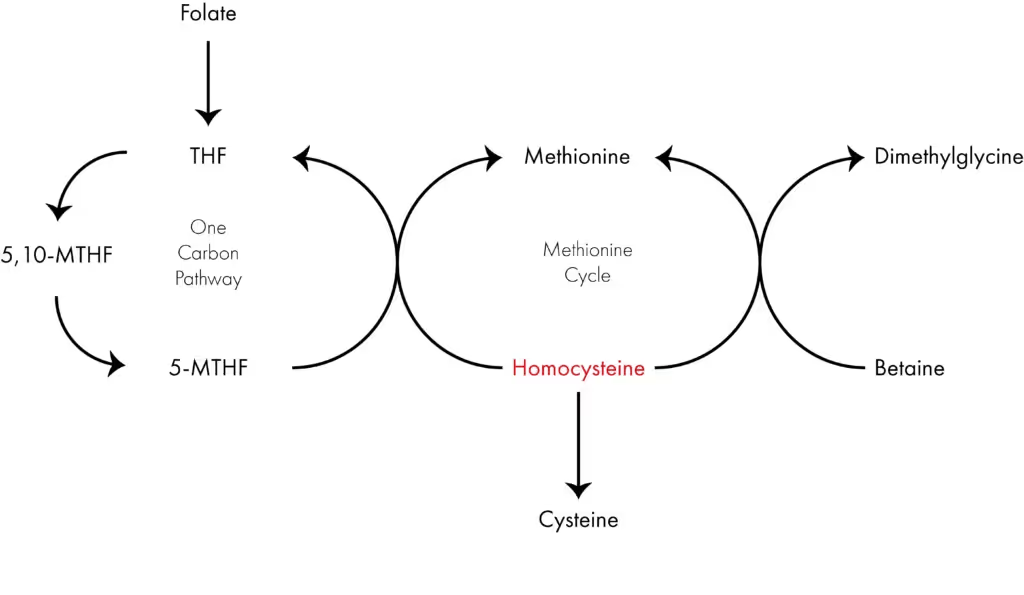
This process plays a role in regulating inflammatory responses and managing homocysteine metabolism, converting homocysteine into methionine. Elevated homocysteine is considered a marker associated with cardiovascular risk, though the relationship between lowering homocysteine and reducing cardiovascular events is less straightforward than once believed (Clarke et al. 2012 BMJ; Homocysteine Studies Collaboration 2002 JAMA).
Methylation also contributes to energy production through mitochondrial function. Research suggests it plays a role in neurotransmitter synthesis, including chemicals like serotonin, dopamine, and norepinephrine, though the direct clinical significance of MTHFR variants on neurotransmitter levels in individuals is still an area of ongoing study.
When methylation is functioning well, many body systems operate smoothly. When it is less efficient, often due to a combination of genetic variants and nutritional factors such as low vitamin B12, some of these processes may be affected.
The MTHFR gene explained
MTHFR stands for methylenetetrahydrofolate reductase. It is an enzyme responsible for converting the folate you eat (or the folic acid in supplements) into 5-MTHF, the active form your body can use. There are two primary variants (or SNPs, single nucleotide polymorphisms) that affect the MTHFR gene: C677T and A1298C.
- C677T: Associated with reduced enzyme activity and modestly elevated homocysteine levels, particularly in individuals who are homozygous (carrying two copies). The Homocysteine Studies Collaboration (2002) found that the TT genotype was associated with a 20% increase in coronary heart disease risk compared to the CC genotype, though Clarke et al. (2012) subsequently showed that lowering homocysteine with B-vitamins did not reduce vascular events.
- A1298C: Sometimes discussed in relation to neurotransmitter production, though the clinical evidence linking this specific variant to mood, focus, or energy outcomes is limited and not well established in large-scale studies.
Having an MTHFR variant does not mean you have a disease. These are common genetic variations. For most carriers, standard dietary folate intake is sufficient. For some individuals with specific clinical presentations, a personalised approach may be discussed with their doctor.
Why testing may be useful in specific situations
Genetic testing can provide additional information for individuals with specific clinical needs. Understanding your methylation status may help you and your healthcare provider:
- Make informed supplement choices: If you have a clinically significant MTHFR variant and low folate status, your doctor may recommend switching from synthetic folic acid to methylated folate (5-MTHF). Note: unmetabolised folic acid can accumulate with high-dose supplementation in individuals with reduced MTHFR activity, though the clinical significance of this is debated.
- Monitor cardiovascular markers: If you carry the C677T variant, monitoring homocysteine levels may be informative as part of a broader cardiovascular risk assessment. However, it is important to note that the Clarke et al. (2012) BMJ meta-analysis found that B-vitamin supplementation lowered homocysteine by 25% but did not reduce major vascular events. Homocysteine management alone should not be treated as cardioprotective.
- Support pregnancy planning: Adequate active folate is critical for fetal neural tube development. RANZCOG emphasises the role of folate supplementation prior to conception. For women with confirmed reduced MTHFR activity and demonstrably low folate levels, discussing the form of folate supplementation with their doctor may be appropriate. Note: ACOG does not recommend MTHFR testing specifically for investigation of recurrent pregnancy loss.
- Explore factors in mood and energy: While some investigate these markers in relation to energy and wellbeing, the evidence linking MTHFR variants directly to these outcomes is preliminary. Clinical research is ongoing, and individual responses to nutritional changes vary.
How to book your genetic methylation test with Ev
Unlike basic consumer DNA kits, Everlab pairs genetic testing with a review of your functional blood biomarkers (like homocysteine, B12, and active folate) to see how your genetic profile correlates with your current blood markers.
- Book online or contact the Everlab team to set up your profile.
- Complete a brief health questionnaire to provide clinical context.
- Attend your blood draw and provide your sample at a convenient local partner clinic.
- Receive a doctor-reviewed health report detailing your genetic variants and functional blood markers.
- Optional: Book a discovery call to discuss supplementation options with a clinician.
DISCLAIMERS
General health disclaimer: This article is for informational purposes only and does not constitute medical advice, diagnosis, or treatment. Always consult a qualified healthcare professional before making changes to your health regimen, including supplementation.
Genetic testing disclaimer: Genetic test results should be interpreted in the context of your full clinical picture by a qualified medical practitioner. A single gene variant does not determine health outcomes. Environmental, dietary, and lifestyle factors all play significant roles.
Evidence disclaimer: The scientific understanding of methylation, MTHFR variants, and their clinical significance continues to evolve. Some claims commonly made about MTHFR in popular health media are not well supported by current evidence from large-scale clinical trials. This article has been reviewed to reflect the evidence base as of April 2026, but readers should verify current guidelines with their healthcare provider.
Why Should You Get A Genetic methylation and MTHFR test?
The genetic methylation and MTHFR test provides essential insights into your body's biochemical efficiency. By identifying variants like C677T and A1298C, you understand how effectively you convert folate into its active form, 5-MTHF. This process is vital for DNA repair, neurotransmitter production, and managing homocysteine—a marker linked to cardiovascular health. Combined with functional blood markers, the test allows you and your doctor to move beyond guesswork. It helps determine whether standard folic acid is sufficient or if methylated supplements are required, ensuring your lifestyle and nutritional choices are precisely tailored to your unique genetic and cellular needs.
%402x%20(2).svg)


imaging
biomarkers
sterols
Book a Free Discovery Call
Join 20,000+ Australians improving their health with proactive, personalised healthcare.