
Food Intolerance Test: Understanding your options in Australia
A food intolerance test is a screening used to identify specific foods that trigger delayed physical reactions, such as digestive issues or fatigue. If you're looking to investigate food sensitivities in Australia, evidence-based methods like supervised elimination diets and hydrogen breath tests are widely accessible. By working with healthcare professionals to pinpoint triggers, these assessments offer valuable insights into your gut health, helping you manage your diet with confidence and clarity.

What:
Food intolerance test
Tests for:
Measures IgG antibodies or sugar malabsorption to identify foods causing delayed physical reactions like bloating, fatigue, or digestive distress.
Referral:
Not Required
Member cost:
Part of Gut Health Protocol
Bloating after meals, unexplained fatigue, and recurring skin flare-ups are frustrating, especially when you have already tried adjusting your diet without clear results.
According to Healthdirect Australia, up to 25% of the population believes they have a food intolerance. Unlike food allergies, which cause immediate and sometimes severe reactions, food intolerances tend to produce delayed responses that can take hours or days to show up. That delay makes it hard to identify the trigger food through trial and error alone.
Food intolerance testing aims to narrow down which foods may be contributing to your symptoms, giving you a more informed starting point for dietary changes.
What is a food intolerance test?
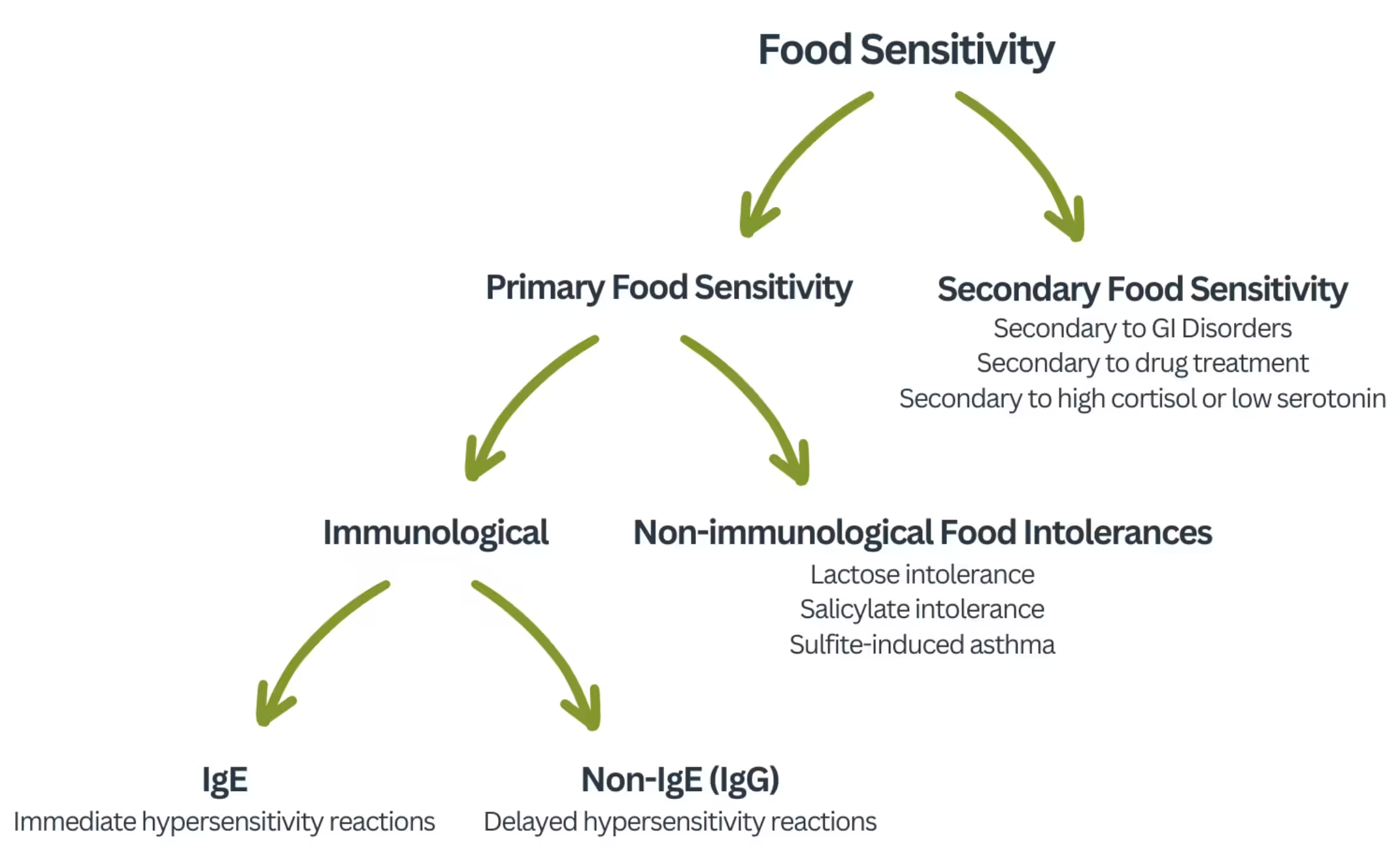
It helps to understand the different types of food reactions first:
- Food allergy (IgE-mediated): An immediate immune reaction that happens within minutes to hours. It can be life-threatening (anaphylaxis) and is diagnosed using skin prick tests or specific IgE blood tests ordered by a doctor. The Australasian Society of Clinical Immunology and Allergy (ASCIA) provides comprehensive resources on allergy testing and management.
- Food intolerance/sensitivity (IgG-mediated): Some commercial tests measure IgG antibodies to a panel of foods. These are marketed as identifying delayed immune reactions. However, it is important to note that ASCIA and most mainstream allergy and immunology bodies advise against using IgG testing to diagnose food intolerance. ASCIA's position is that IgG antibodies to food are a normal part of the immune response and do not reliably indicate intolerance or sensitivity.
- Non-immune food intolerance: Caused by enzyme deficiency or chemical sensitivity rather than an immune response. Lactose intolerance is the most common example. These are typically diagnosed using hydrogen breath tests, elimination diets supervised by a dietitian, or specific clinical assessments.
Evidence-based testing methods used in Australia
The following methods are supported by Australian clinical guidelines:
- Elimination diet with dietitian supervision: Considered an established clinical pathway for identifying food intolerances. Foods are systematically removed and reintroduced under professional guidance, usually over several weeks.
- Hydrogen breath test: Used to diagnose lactose or fructose malabsorption. Available through most Australian pathology providers.
- Skin prick test / Specific IgE blood test: Used to diagnose food allergies (not intolerances), ordered by GPs or allergists.
A note on commercial IgG food panels
Commercial IgG food sensitivity panels (testing 96 to 200+ foods) are available from various providers in Australia. Prices typically range from $250 to $700.
While some practitioners in functional and integrative medicine use these panels as a starting point for elimination diets, the mainstream scientific position in Australia is clear:
- ASCIA states that IgG antibodies to foods reflect normal immune exposure, not intolerance.
- The Royal Australian College of General Practitioners (RACGP) does not endorse IgG panels as a diagnostic tool for food intolerance.
- The NSW Food Authority notes that there is limited scientific evidence supporting the use of IgG tests to diagnose food intolerance.
If you choose to pursue IgG testing, discuss the results with your GP or an accredited practising dietitian before making major dietary changes. Unnecessary food restriction can lead to nutritional deficiencies.
When to see your GP
Your GP is your first port of call if you suspect a food intolerance. They can:
- Rule out conditions with similar symptoms, such as coeliac disease, inflammatory bowel disease, or other gastrointestinal conditions.
- Refer you to a gastroenterologist or allergist/immunologist if needed.
- Arrange a referral to an accredited practising dietitian for a supervised elimination diet.
- Order evidence-based tests like hydrogen breath tests or IgE panels where clinically appropriate.
Many people with food intolerances find significant relief by working with a GP and dietitian to systematically identify and manage trigger foods, without needing commercial testing.
Symptoms commonly associated with food intolerance
Testing or investigation may be worth considering if you regularly experience:
- Digestive issues: Bloating, gas, diarrhoea, constipation, or symptoms consistent with IBS.
- Skin reactions: Eczema flare-ups, hives, or unexplained rashes.
- Cognitive symptoms: Brain fog, headaches, or fatigue after eating.
- General fatigue: Persistent low energy despite adequate sleep.
These symptoms overlap with many other conditions, which is why professional assessment is important before attributing them to food intolerance.
How Everlab can help
While Everlab does not offer a dedicated food intolerance test, Everlab's gut microbiome assessment ($999) and dietitian-led nutrition review ($279) can help identify and address dietary factors affecting your health.
Gut health and food tolerance are closely connected. Research suggests that the composition of your gut microbiome may influence how your body responds to certain foods. By understanding your gut health first, you and your healthcare provider can gain insights that help guide your dietary decisions.
DISCLAIMERS
General health disclaimer: This article is for educational and informational purposes only. It does not constitute medical advice, diagnosis, or treatment. Always consult a qualified healthcare professional before making changes to your diet or health management.
Testing disclaimer: The information in this article about IgG food sensitivity testing reflects the current positions of ASCIA and other Australian medical bodies as of April 2026. Everlab does not offer IgG food intolerance testing. Any reference to IgG panels is included for educational context only.
Product disclaimer: Everlab services mentioned in this article (gut microbiome assessment, dietitian-led nutrition review) are subject to availability and current pricing. Confirm details here before booking.
Why should you get a food intolerance test done?
You might consider a food intolerance test to identify the specific triggers behind chronic, delayed symptoms like bloating, fatigue, or skin flare-ups. Unlike immediate allergies, intolerances are notoriously difficult to pinpoint through guesswork alone.
%402x%20(2).svg)


imaging
biomarkers
sterols
Book a Free Discovery Call
Join 20,000+ Australians improving their health with proactive, personalised healthcare.