
Blood Type Test: Understanding Your Blood Group
Knowing your blood type (ABO and Rh factor) is essential for clinical situations like pregnancy or surgery, but it offers limited insight into your daily physiological performance. While a standard blood type test is a basic pathology screen available through any GP or local lab, a more thorough evaluation of your blood health involves looking at markers for energy, immunity, and metabolism.

What:
Blood Type Test
Tests for:
Identifies your ABO group and Rh factor by detecting specific antigens on the surface of red blood cells.
Referral:
Not required
Member cost:
Part of the larger blood panel
Your blood type is a basic but useful piece of personal health information. A blood type test is typically ordered during pregnancy, before surgery, or in emergency situations requiring a transfusion. Outside of those scenarios, many people never find out their blood group.
Important: Everlab does not currently offer blood typing as a standalone test. Blood typing is available through standard pathology providers and can be requested through your GP. Everlab’s advanced blood panel ($499) covers comprehensive health markers across 19 categories, helping you understand the broader picture of your blood health beyond just your blood group.
Understanding whether you are A, B, AB, or O is a helpful starting point. But your blood type alone does not reveal how well your body is functioning day to day. Comprehensive blood testing can provide insight into markers related to energy, cardiovascular health, and immune function.
What does a blood type test include?
A blood type test is a straightforward pathology screen that categorises your blood based on the presence or absence of specific antigens (proteins and sugars) on the surface of your red blood cells [1].
Your blood is classified using two primary systems:
- The ABO system: Determines if your blood group is A, B, AB, or O.
- The Rhesus (Rh) factor: Determines if your blood type is positive (+) or negative (-) based on the presence of the RhD protein.
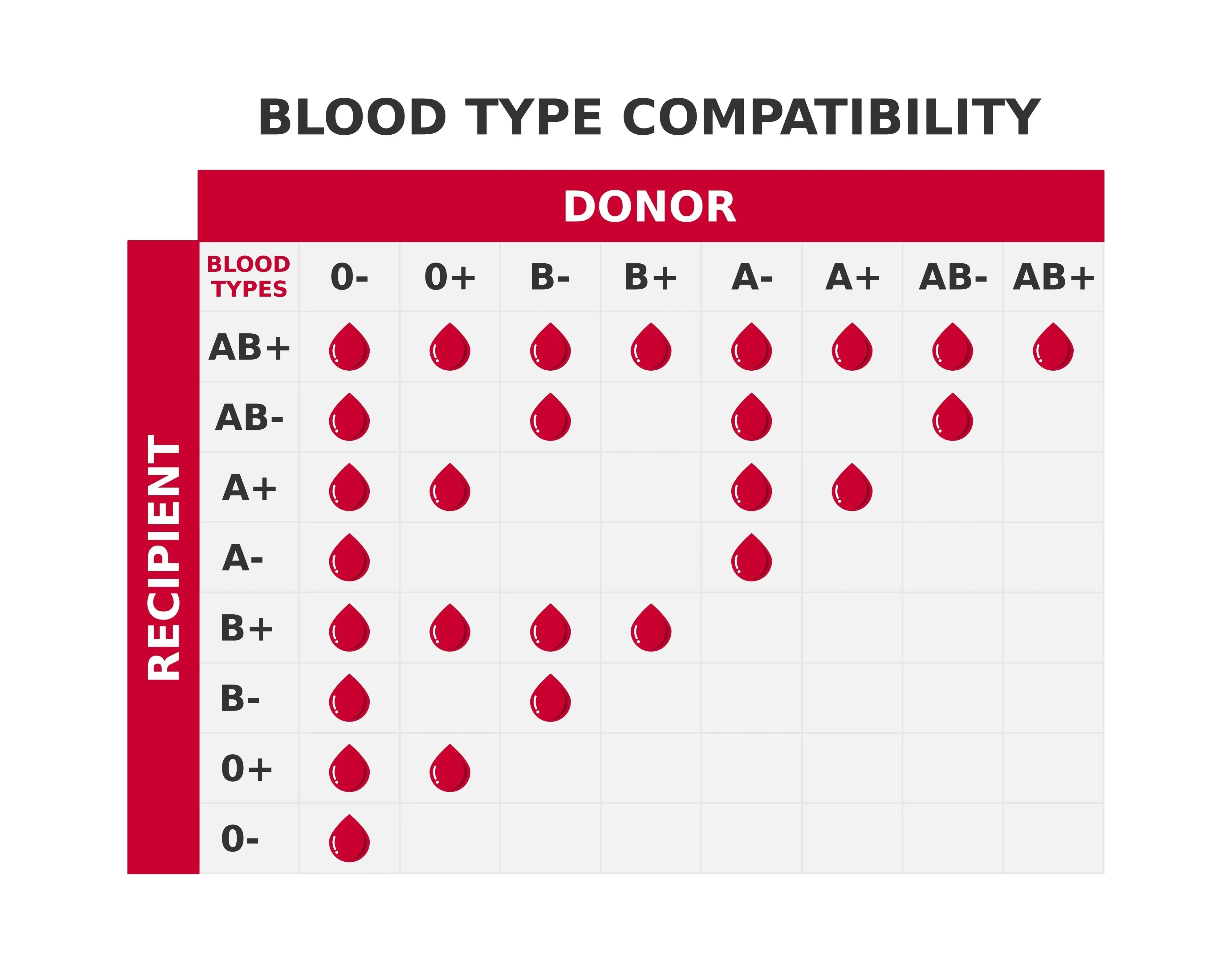
Combining these systems results in the eight common blood types. This information is important for safe medical procedures and is a key component of prenatal care. For example, if an Rh-negative mother carries an Rh-positive baby, anti-D immunoglobulin may be recommended to help prevent Rh disease [2]. You can read more about how blood types support the national blood supply via the Australian Red Cross Lifeblood.
Beyond your blood type: comprehensive blood health
Knowing your blood type is useful, but it does not tell you how efficiently your blood is performing its core functions: carrying oxygen, supporting immune response, and clearing cellular waste.
A blood type test can be viewed as part of a broader health assessment. Markers such as haemoglobin, white blood cell counts, iron studies, and inflammatory markers can provide a more complete view of how your body is performing [3].
Everlab’s advanced blood panel measures blood and bone marrow biomarkers that relate to energy, immune function, and metabolic health. These results can help inform conversations with your healthcare provider about areas worth monitoring.
Understanding your blood metrics
Health markers vary between individuals based on age, sex, lifestyle, and medical history. When evaluating blood health, it is worth looking beyond the basic blood group.
Here are some of the categories that a comprehensive blood panel may cover:
- Full Blood Examination (red cells, white cells, platelets)
- Iron Studies and ferritin
- Inflammatory Markers (CRP, ESR)
- Vitamin and Mineral Levels (B12, folate, vitamin D)
- Thyroid Function
- Liver and Kidney Function
- Lipid Profile and cardiovascular markers
Everlab’s approach focuses on identifying where your results sit relative to evidence-based health targets, providing a detailed perspective alongside standard pathology reference intervals.
How to get your blood type tested
For blood typing specifically: Request a blood type test through your GP or any accredited pathology provider in Australia. Medicare may cover this test when it is clinically indicated (for example, during pregnancy or before a procedure).
For comprehensive blood health screening with Everlab:
- Book a discovery call: Contact the Everlab clinical team to discuss your health goals and schedule a screening.
- Complete your testing: Visit a partner pathology clinic for your blood collection.
- Review your results: Meet with an AHPRA-registered medical practitioner via telehealth for a detailed review of your results.
- Receive your report: Get a personalised health report with evidence-based recommendations tailored to your results.
References
- Healthdirect. (2024). Blood groups. Australian Government Department of Health.
- RANZCOG. (2023). Use of Anti-D Immunoglobulin. Royal Australian and New Zealand College of Obstetricians and Gynaecologists.
- RCPA. (2024). Full Blood Count. Royal College of Pathologists of Australasia.
- Cusack, L., et al. (2013). Blood type diets lack supporting evidence. American Journal of Clinical Nutrition.
- OAIC. (2024). The Privacy Act.
Disclaimers
1. General health disclaimer:
This article is for informational and educational purposes only. It is not intended as medical advice and should not be used as a substitute for professional medical consultation, diagnosis, or treatment. Always seek the guidance of a qualified healthcare provider with any questions about a medical condition or health objectives.
2. No diagnostic claims:
The information provided about blood testing and health markers is general in nature. Results from any blood test, including comprehensive panels, should be interpreted by a qualified medical practitioner in the context of your individual health history.
3. Everlab service scope:
Everlab does not offer standalone blood type testing. Blood typing is available through standard pathology providers in Australia. Everlab’s advanced blood panel is a screening tool and does not replace the advice or care provided by your general practitioner or specialist.
Why you should get your blood type test done.
You should get a blood type test primarily for clinical safety during pregnancy, before surgery, or in emergency situations requiring a transfusion. It is a vital component of prenatal care, such as identifying when an Rh-negative mother may need anti-D immunoglobulin to prevent Rh disease. Beyond these immediate medical needs, knowing your blood group serves as a helpful starting point for broader health assessments and supporting the national blood supply.
%402x%20(2).svg)


imaging
biomarkers
sterols
Book a Free Discovery Call
Join 20,000+ Australians improving their health with proactive, personalised healthcare.