The Science of Meal Sequencing: A Simple Habit That Improves Blood Sugar, Energy and Metabolic Health


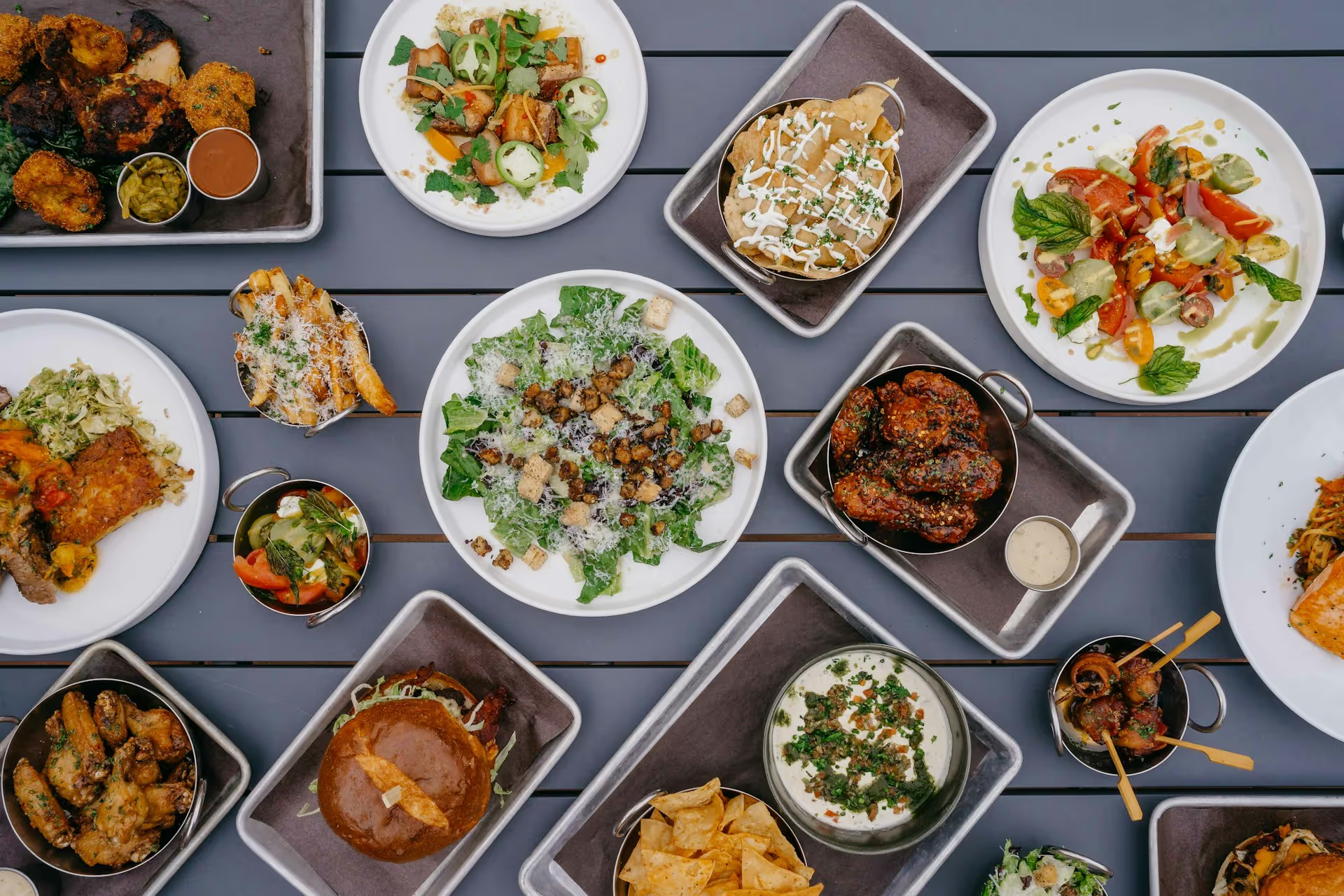
Improving your metabolic health isn’t just about what you eat. It’s also about how your body processes the food you choose. Food quality still matters enormously, but there’s a lesser-known technique that can significantly improve how your body responds to meals you’re already eating.
It’s called meal sequencing, and it’s a simple habit that helps stabilise blood sugar, improve satiety, reduce cravings and support long-term metabolic health. You don’t need a new diet, special products or complicated rules. You just combine your normal, nutritious meals with a smarter eating order.
This small shift has a surprisingly powerful impact.
What Is Meal Sequencing?
Meal sequencing refers to the order in which you eat the foods on your plate. The most effective pattern is:
1. Vegetables → 2. Protein & Fats → 3. Carbohydrates
This doesn’t require giving up bread, pasta or rice. It just means rearranging the order in which you eat them. The result? A 20–40% reduction in glucose spikes, even when the meal stays exactly the same¹.
For something so simple, the impact is surprisingly powerful.
Why the Order of Your Food Matters
To understand why meal sequencing works, it helps to know what happens in your body when you eat carbs.
When you start a meal with carbohydrates (especially refined ones) they are digested quickly and absorbed rapidly into the bloodstream. This causes a sharp post-meal glucose spike. Your pancreas responds by releasing a surge of insulin to bring your blood sugar down. The higher the spike, the bigger the insulin response.
This matters because frequent glucose spikes and insulin surges are linked to fatigue, cravings, weight gain, inflammation and higher long-term risk of metabolic disease.
Meal sequencing works by slowing down this chain reaction.

Step 1: Vegetables lay the foundation
Starting with vegetables (especially high-fibre ones like broccoli, greens, cucumbers or salad) creates a viscous fibre “mesh” in the stomach and small intestine.
This mesh physically slows the absorption of carbohydrates eaten later in the meal. The carbs still get digested, just not with the same force or speed.
The result:
- gentler glucose rise
- reduced insulin demand
- less post-meal crash
It’s one of the quickest ways to support metabolic stability.
Step 2: Protein and healthy fats stabilise digestion
Eating protein and fats next sends strong satiety signals and further delays gastric emptying. Protein in particular triggers the release of hormones like GLP-1 and peptide YY, which:
- keep you feeling full
- improve glucose utilisation
- reduce hunger and late-night snacking
Combined with the initial fibre layer, this creates a powerful buffer before any carbohydrates arrive.
Step 3: Carbs last = gentle glucose response
By the time you eat the carbohydrates on your plate, your digestive system is already primed to process them more slowly.
The beauty of the method is its simplicity. There’s no feeling of restriction — just a different order.
What You Might Feel When You Apply Meal Sequencing

Most people notice changes within a few days, sometimes even after the first meal:
1. More stable energy
No more post-lunch crash. You get a smoother, more sustained energy curve throughout the day.
2. Reduced cravings
Particularly for sweet foods after meals. Stable glucose = fewer sudden dips that trigger snacking.
3. Better appetite control
Protein and fibre help regulate hunger hormones, leading to naturally smaller portions without willpower.
4. Improved mood and mental clarity
Avoiding big spikes and crashes means avoiding the irritability and fog that often follow them.
5. Long-term metabolic benefits
Flatter glucose curves protect insulin sensitivity, support cardiovascular health and reduce inflammatory load over time.
Find out how to eat for your biology.
How to Use Meal Sequencing in Real Life
Meal sequencing works whether you’re at home, at a restaurant or eating on the go.
Here are simple ways to put it into practice:
At home
- Start meals with a handful of greens, steamed veggies or a quick side salad.
- Serve protein and fats next — chicken, tofu, fish, eggs, nuts or olive oil.
- Enjoy your rice, pasta, bread or potatoes last.
When eating out
- Ask for a small salad or veg side to arrive first.
- Eat some of your protein (steak, fish, legumes) before touching the bread basket or fries.
- If sharing, take a moment to sequence your bites intentionally.
If you’re short on time
Even 3-4 forkfuls of veg before the rest of the meal makes a difference.
For snacks
Pair carbs with protein/fat to mimic the sequencing effect:
- apple + nut butter
- crackers + hummus
- berries + yoghurt
Why Meal Sequencing Is So Effective
Many health strategies rely on major behavioural change like new diets, new routines, new habits. Meal sequencing works because it’s frictionless.
No restriction.
No calorie counting.
No special foods required.
No impact on culture or enjoyment of meals.
It simply gives your body a structure that aligns with how digestion naturally works best.
Questions about how to kick off your personalised health journey?
References:
1. https://pmc.ncbi.nlm.nih.gov/articles/PMC4876745/
Steven is a specialist general practitioner, preventative health consultant, medical educator, healthcare entrepreneur and co-founder of Everlab. With 15+ years of clinical experience, and driven by his passion for preventive care outcomes, Steven is dedicated to personalised and innovative approaches to enhance well-being, extend human lifespan, and improve healthspan.


Clinician, medical educator, and med-tech developer with 16+ years of clinical experience and 25+ years in the health industry. Passionate about proactive longevity, preventative health, and optimising health outcomes through innovative, integrated, and holistic approaches. Experienced across rural emergency medicine, motorsport medicine, and longevity-focused care, with a research background in gastrointestinal health and a first-author publication. Dedicated to enhancing well-being, healthspan, and lifespan through evidence-based, forward-thinking healthcare solutions.