
Vitamin D Blood Test
Vitamin D plays an important role in bone strength, immunity, mood, and overall health markers, but many Australians have levels outside the optimal range. This guide explains what vitamin D does, how it is tested, what affects your levels, and why it matters for long-term health. You will also learn what low levels mean, how to address them, and how Everlab helps you stay on top of it all.
What:
Blood Biomarker
Tests for:
Bone health, immune function, general health markers
Referral:
Required
Member cost:
Part of a larger blood panel
What Is Vitamin D?
Vitamin D is a fat-soluble vitamin that plays a critical role in many essential bodily functions. While it is classified as a vitamin, it actually functions more like a hormone. It helps your body absorb calcium and phosphate, which are vital for building healthy bones, teeth, and muscles. Beyond bone health, vitamin D influences gene expression, supports the immune system and immune response, and even brain function.
There are two major forms of vitamin D:
- Vitamin D2 (ergocalciferol): Found in fortified foods and plant-based supplements. Less potent and shorter-lasting in the body.
- Vitamin D3 (cholecalciferol): Synthesised in your skin via UVB sunlight exposure and found in animal-based foods. More effective at raising and maintaining adequate blood levels.
Low vitamin D levels can contribute to bone health issues such as rickets in children and osteomalacia in adults. Your doctor will interpret your results in the context of your full health picture.
Interestingly, vitamin D must be activated through a two-step process in your body: first in the liver, then in the kidneys. This transformation turns it into its active form, calcitriol, which your body uses to perform critical tasks.
How Is Vitamin D Measured?
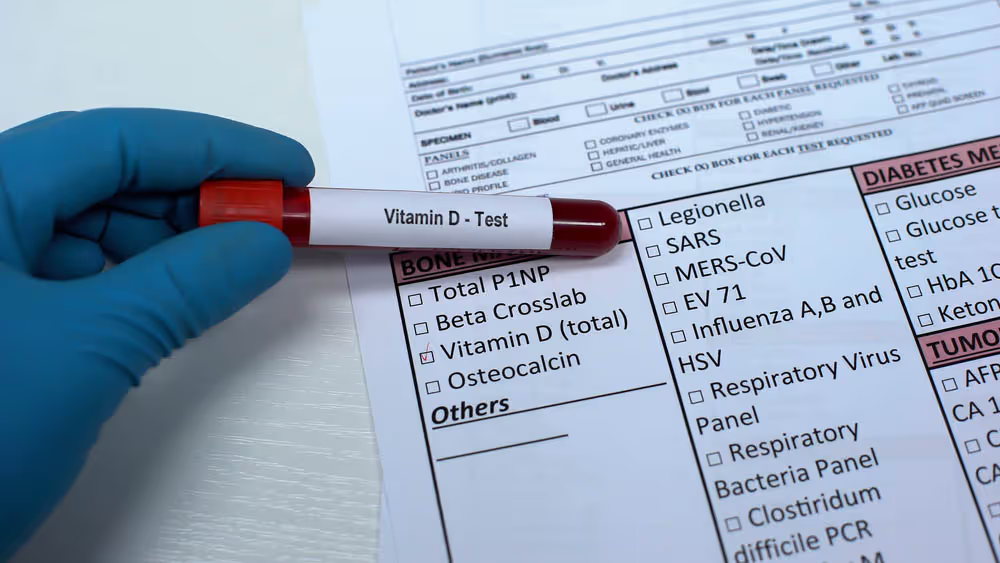
Vitamin D status is assessed through blood tests that measure 25-hydroxyvitamin D, abbreviated as 25(OH)D. These blood tests are the best marker for overall vitamin D status because they reflect total intake from sun, food, and supplements.
Most labs report your result in nanomoles per litre (nmol/L). To perform the test, a healthcare professional will draw blood from a vein in your arm using a small needle to collect a blood sample, which is then placed into a test tube or vial. The test itself is fast and low-risk, but accuracy depends on the method and laboratory used.
Why Is Vitamin D Important?
Vitamin D impacts nearly every system in the body. Research has linked it to the regulation of over 1,000 genes. Here is what maintaining optimal vitamin D levels is associated with:
- Bone health: Helps absorb dietary calcium. Without enough vitamin D, your body may draw calcium from your bones, which can contribute to bone pain and increase the risk of osteoporosis.
- Immune modulation: Associated with reduced inflammation and improved resistance to infections, including respiratory illnesses.
- Neurological health: Some research links deficiency to mood disorders and depression. Speak with your doctor if you have concerns in this area.
- Muscle function: Supports coordination and balance, especially important as you age. Muscle weakness is a common symptom of deficiency.
- Cardiovascular health markers: Emerging evidence connects low levels with arterial stiffness and hypertension. Your doctor will interpret these markers in the context of your full results.
- Metabolic function: Associated with insulin sensitivity and glucose metabolism. Low levels are common in people with type 2 diabetes.
- Autoimmune conditions: Some research links adequate vitamin D to immune regulation. Speak with your doctor about what this means for you.
Certain groups are more likely to have levels outside the optimal range, including older adults, people with limited sun exposure, and those with certain medical conditions.
Why Test Your Vitamin D Levels?
You cannot feel your vitamin D level. Most people have no symptoms until they are severely deficient. A blood test is the only reliable way to know if your levels are in the optimal range.
You should consider speaking with your doctor about testing if you:
- Spend most of your time indoors
- Use sunscreen consistently
- Live in southern Australia, especially during winter
- Have darker skin
- Follow a vegan or dairy-free diet
- Have unexplained fatigue, joint pain, or frequent infections
- Have osteoporosis or low bone density
- Are concerned about your vitamin D levels
Testing gives you and your Everlab doctor the information needed to guide you through supplementation, diet changes, and sun exposure, all tailored to your lifestyle and risk profile. If you are at higher risk, consult your healthcare provider to discuss whether testing is appropriate for you.
What Affects Vitamin D Levels?
Many factors influence your 25(OH)D levels. Understanding these helps us personalise your plan. Some common contributors to lower vitamin D levels include limited sun exposure, darker skin pigmentation, older age, obesity, certain dietary habits, and living further from the equator.
Gut health or certain medications can also affect how your body absorbs vitamin D. Medical conditions such as coeliac disease, Crohn's disease, and liver or kidney disorders may impair vitamin D absorption.
Your diet matters too. While foods like fatty fish, egg yolks, and fortified products provide vitamin D, you may also consider supplements to help maintain optimal levels, especially if dietary intake or sun exposure is insufficient. Always speak with your doctor before starting supplementation.
1. Sunlight Exposure
Your body makes vitamin D when exposed to UVB radiation. But this process is affected by:
- Geographic location: The further from the equator, the lower your year-round UVB exposure.
- Season: Winter months reduce your body's ability to produce vitamin D naturally.
- Time of day: UVB is strongest around midday.
- Skin coverage: Hats, clothing, and sunscreen block UVB absorption.
- Glass: UVB does not penetrate windows, so indoor sun does not help.
2. Skin Tone
Melanin blocks UVB. People with darker skin need more sun exposure to produce the same amount of vitamin D as lighter-skinned individuals. For example, someone with a dark complexion may need 30 to 60 minutes of sun, while someone fair might need just 10.
3. Age
As you age, your skin produces less vitamin D. Combined with reduced mobility or outdoor activity, this is why many older Australians have lower levels.
4. Diet
Even with a healthy diet, it is hard to get enough vitamin D through food alone. The richest sources are:
- Fatty fish (salmon, mackerel, sardines)
- Egg yolks
- Fortified foods (some milks, cereals, orange juice)
- Dairy products, especially fortified dairy products
- Mushrooms exposed to UV light
Supplements can help maintain adequate levels, especially for those with limited dietary intake or sun exposure. It is important to consult a healthcare provider before starting vitamin D supplements to ensure proper dosage and avoid potential adverse effects.
5. Body Weight
Vitamin D is stored in fat tissue. People with higher body fat percentages often have lower circulating levels because more vitamin D gets sequestered away.
6. Gut Health
Conditions like coeliac disease, Crohn's disease, or a history of bariatric surgery can reduce your ability to absorb fat-soluble vitamins like vitamin D.
7. Medications
Medications that can lower vitamin D include:
- Glucocorticoids
- Anti-epileptics
- Cholestyramine
- Some HIV and antifungal drugs
8. Genetic Factors
Some people have polymorphisms in genes involved in vitamin D metabolism or transport. This means they may require higher intake or more frequent monitoring.
How to Prepare for a Vitamin D Blood Test
Vitamin D testing is easy and requires minimal prep. Here is how to get accurate results:
- No fasting needed: Unlike cholesterol or glucose tests, you can eat as normal.
- Tell your doctor about supplements: Especially if you have been taking high doses recently.
- Hydrate: Drink plenty of water the day before and on the day of your test.
- Relax: Stress or poor sleep will not influence results, but staying calm helps the blood draw go smoothly.
What Do Vitamin D Results Mean?
Understanding your test results helps you and your doctor assess whether you have adequate levels, are at risk of deficiency, or have levels that warrant closer monitoring. Maintaining adequate levels is important for bone health and overall wellbeing. Very high levels from excessive supplementation can also be harmful, which is why testing before adjusting your intake matters.
What If Your Levels Are Low?
Depending on how low your levels are, your doctor may recommend:
- A short-term loading dose of vitamin D (for example, 50,000 IU weekly)
- Long-term daily maintenance (1,000 to 4,000 IU)
- Supplements to address deficiency
- An individualised plan based on your sun exposure, diet, and test results
- Adding magnesium to aid absorption
- A DEXA scan to assess bone density
- Repeat testing in 3 months to evaluate response
Risks and Limitations of the Test
- Short-term variability: Levels can shift with recent sun or supplement exposure.
- Does not show active vitamin D: 1,25(OH)2D is the active form but is not routinely tested.
- Lab variation: Quality and method matter.
- Risk of toxicity from supplementation: Excessive supplementation can lead to toxic levels of vitamin D, which may cause serious health issues including nausea, kidney damage, and calcium imbalance. The risk is higher from taking too many supplements rather than from diet or sun exposure. Always consult a healthcare professional before starting or increasing supplements.
Despite these limitations, vitamin D is one of the most useful and cost-effective markers for understanding your health baseline.
How to Improve Vitamin D Levels
1. Sunshine
Use short, controlled bursts. Ten minutes of midday sun on arms and legs, 3 to 5 times per week, is often enough for fair-skinned individuals. Consider UV index apps to avoid over- or under-exposure.
2. Foods
Build your diet around vitamin D-rich options:
- 100g salmon = approximately 526 IU
- 1 egg yolk = approximately 37 IU
- 1 cup fortified milk = approximately 100 IU
Pair with healthy fats (like olive oil) to enhance absorption.
3. Supplements
Safe and effective when used correctly. Choose D3 (cholecalciferol) unless plant-based, in which case D2 may be used. Start low, test regularly, and always consult your doctor before increasing your dose.
Avoid mega doses unless prescribed. Toxicity is rare but possible with sustained high intake.
Sources
1. NIH Office of Dietary Supplements – Vitamin D Fact Sheet for Health Professionals
2. RACGP – Vitamin D Testing Guidelines
3. RCPA - Use and Interpretation of Vitamin D Testing
4. Cambridge University Press - Vitamin D and Immune Function: An Overview
5. BMJ - Vitamin D supplementation and major cardiovascular events
Get On Top Of Your Vitamin D Levels
Vitamin D is essential for bone strength, immunity, mood, and long-term health. Low levels are common—and often silent—but easy to test and correct. At Everlab, we include vitamin D as part of a deeper health check, giving you clear, personalised steps to optimise your levels and prevent disease before it starts.
.avif)
%402x%20(2).svg)


markers
consultation
roadmap
Book a Free Discovery Call
Join 20,000+ Australians improving their health with proactive, personalised healthcare.