
Gamma-Glutamyl Transferase (GGT) Blood Test
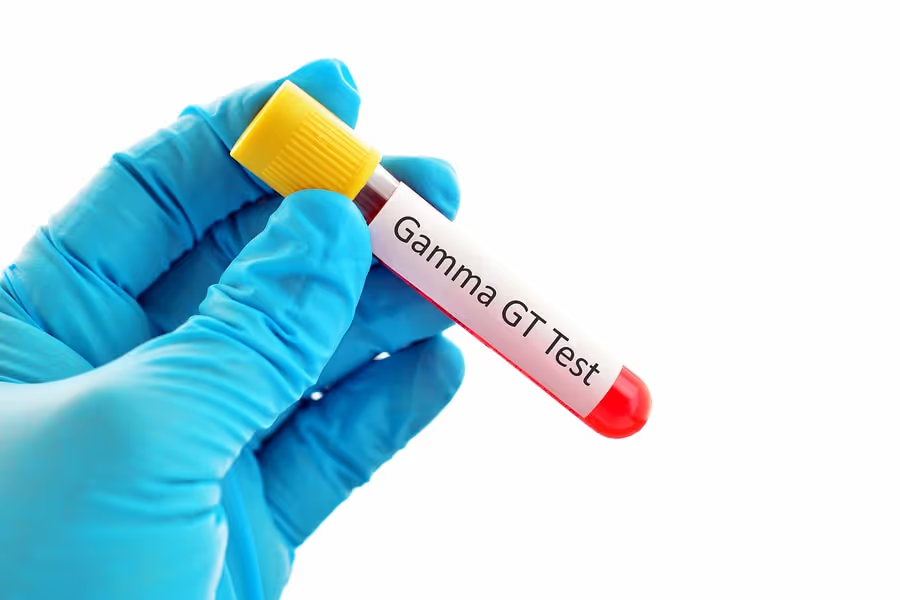
Gamma-Glutamyl Transferase (GGT) has an essential role in the functioning of your liver. The Gamma-Glutamyl Transferase blood test measures the levels of GGT in your blood. The GGT blood test is a sensitive indicator of liver damage and disease. It is also valuable as a screening test for alcohol use disorder.
What:
Blood biomarker
Tests for:
Liver health
Referral:
Required
Member cost:
Part of larger blood panel
What is a Gamma-Glutamyl Transferase blood test?

A Gamma-Glutamyl transferase (GGT) test estimates the levels of gamma-glutamyl transferase (GGT) in your blood. Gamma-glutamyl transferase is an enzyme and also known as gamma-glutamyl transpeptidase, GGTP, or Gamma-GT. Enzymes are proteins that increase the speed of specific chemical reactions in your body. The GGT enzyme is found throughout your body, but it is mainly found in your liver. GGT has a function to transport amino acids in the metabolic reactions occurring in the liver. It also facilitates the detoxification function of the liver and protects cells from toxins, harmful drugs or poisons.
A GGT test cannot identify the exact cause of liver disease. It can only show that your liver is being damaged. GGT enters the bloodstream due to leakage when your liver or bile duct is damaged. Your liver is crucial for producing proteins in your body, detoxification and metabolism. It also makes bile, a fluid that helps your body process fats in the process of digestion.
Why is a Gamma-Glutamyl Transferase blood test done?
A Gamma-Glutamyl Transferase blood test is typically performed as part of a Liver Function Tests. Your doctor will recommend this test due to the following reasons:
- To review your overall health: As a component of a routine medical examination, and to monitor your general health.
- To diagnose a liver condition: In case you have symptoms of a liver disease, such as weakness, fatigue, jaundice, abdominal pain, nausea, vomiting, loss of appetite, and itching.
- To differentiate between liver and bone disease: GGT and another enzyme, Alkaline phosphatase, are both elevated in liver diseases. In bone diseases, GGT does not increase; only alkaline phosphatase increases which helps differentiate between the two.
- To monitor the effects of treatment: In case you are being treated for alcoholic hepatitis, the levels of GGT can indicate the effectiveness of the treatment.
- To screen for alcohol use disorder: Drinking alcohol increases GGT levels. This is used both as a screening test and to monitor liver damage from alcohol use. If you are in an alcohol rehabilitation program, your doctor might order this test to check if you are following the treatment program.
What conditions cause a change in the Gamma-Glutamyl Transferase blood levels?
High Gamma-Glutamyl Transferase levels
Elevated Gamma-Glutamyl Transferase is found in various conditions:
Liver diseases
Liver conditions, including infection, inflammation, and obstruction, can cause an increase in the levels of GGT.
- Hepatitis: Hepatitis is an inflammation of the liver that causes enzymes, including GGT, to be released into the bloodstream. Viruses, excess intake of alcohol, toxins, and drugs can cause it. Usually, the increase in GGT level is moderate, about 2 to 5 times the reference, resulting from liver cell injury caused by infectious hepatitis or toxins.
- Cirrhosis: Cirrhosis occurs due to chronic liver damage from various causes, such as alcohol abuse or viral hepatitis. This results in the formation of scar tissue that replaces healthy liver tissue, causing high GGT levels.
- Cholestasis: The obstruction to the flow of bile from the liver causes cholestasis, which leads to high GGT levels. Gallstones, strictures, or tumours in the bile ducts can obstruct the flow of bile. The increase in GGT is about 5 to 30 times the reference range in cases of obstruction.
- Non-alcoholic fatty liver disease (NAFLD): Obesity can cause fatty buildup in the liver, causing Non-alcoholic fatty liver disease (NAFLD), which can progress to Non-alcoholic steatohepatitis (NASH).
- Liver tumours or cancer: Both primary liver tumours and metastatic tumours (cancer that has spread to the liver) can cause increased levels of GGT.
- Alcoholic Liver Disease: Excessive alcohol intake is a leading cause of liver damage, including alcoholic hepatitis, fatty liver, and cirrhosis, all of which can increase GGT levels. Drinking too much alcohol causes changes in serum GGT levels, which further impacts the liver. If you are a heavy drinker, you probably have high GGT levels and an increased risk of liver damage. High GGT is linked to various degrees of liver injury or a tendency to develop liver problems.
If you are a moderate drinker and abstain from alcohol for a month, a decrease in serum GGT levels will be observed. A change in the liver that sets it to increase GGT only after a short period of relapse indicates the development of fatty liver in response to alcohol and the beginning of further liver changes.
Pancreatitis
Inflammation of the pancreas is called pancreatitis and can sometimes cause elevated GGT, although this is less specific to the liver than the conditions mentioned above. Increased levels of GGT are linked to a risk of developing type 2 diabetes and are also seen if you have pre-existing type 2 diabetes.
Congestive Heart Failure
Sometimes, heart failure can indirectly impact the liver, causing elevated GGT levels. Increased levels of GGT are associated with high blood pressure. GGT blood test is a novel biomarker for cardiovascular diseases.
Medications and toxins
Certain drugs and toxins can damage the liver, leading it to release GGT into the bloodstream. The damage to the liver is reversible if the exposure to the medication or toxin is discontinued at an early stage.
Low Gamma-Glutamyl Transferase levels
Low or normal levels of Gamma-Glutamyl Transferase suggest that you are unlikely to have liver disease or recent alcohol consumption. Low GGT levels can also occur in certain genetic conditions where bile flow from the liver is obstructed or reduced. Additionally, nutritional deficiencies in vitamin B6 and magnesium may lead to a decrease in GGT levels.
How do you prepare for your Gamma Glutamyl Transferase blood test?
Some things to consider before doing a Gamma-Glutamyl Transferase blood test include:
- Various medications and supplements can affect your liver and GGT levels. Talk to your doctor if you are taking medications.
- Avoid drinking alcohol for at least 24 hours before the test. Even small amounts can raise your GGT levels.
A Gamma-Glutamyl Transferase blood test is ordered as part of the Liver Function Tests (LFT). You are not required to fast for this test; however, you may be required to fast for 8-12 hours, depending on other tests you may have scheduled. It is recommended to stay hydrated by drinking enough water when fasting. Your doctor will let you know if you need to follow any special instructions.
How is a Gamma Glutamyl Transferase blood test done?
The general steps of a blood test involve the following:
- A medical laboratory technician will check your arms for a vein that can be reached comfortably. This is usually in the inner part of your arm on the other side of your elbow
- Upon location of the vein, they would clean and disinfect the area
- They would then insert a small needle into your vein to draw a blood sample, which might feel like a slight pinch
- After they insert the needle, a small amount of blood will collect in a test tube
- They will remove the needle and press the bleeding site with a cotton ball or gauze to stop the bleeding
- A bandage will be applied on the site and the collection of the sample will be done
- After a healthcare provider has collected your blood sample, they’ll send it to a laboratory for testing. Once the test results are back, your doctor will share the results with you
Interpretation of test results
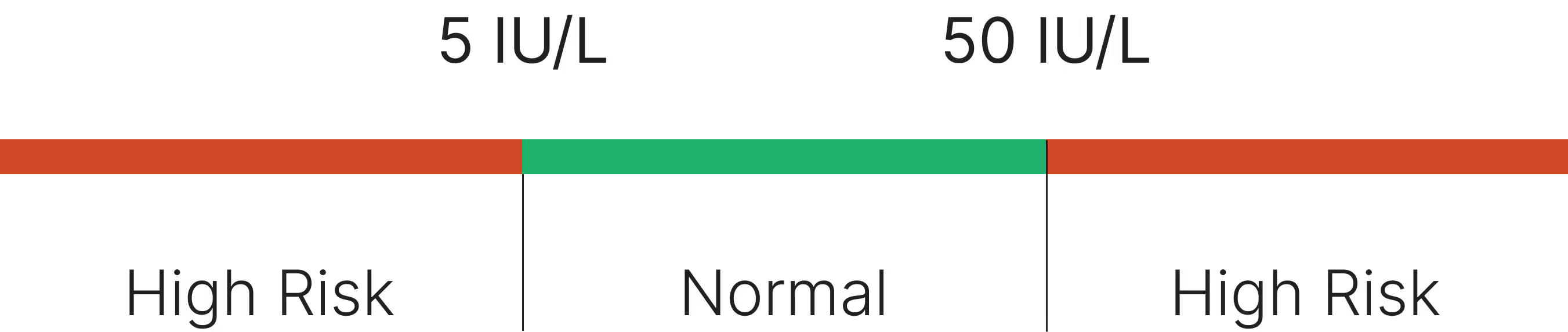
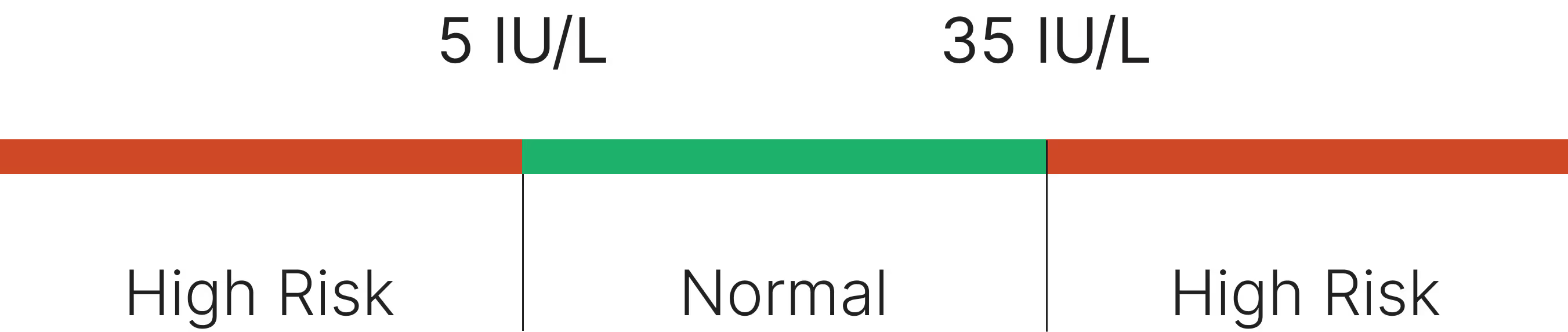
The normal reference range of Gamma-glutamyl transferase for females is 5-35IU/L and for males is 5-50IU/L.
The values of GGT higher than the standard values in adults indicate an underlying condition associated mainly with the liver. However, conditions of the pancreas, heart, brain or kidneys can also cause a rise in the levels of GGT. Several factors can influence the levels of GGT in your body. Your doctor may repeat the test or recommend additional testing based on your signs and symptoms.
What can you do for elevated levels of Gamma-Glutamyl Transferase?
The initial management for high levels of Gamma-Glutamyl Transferase is based on dietary and lifestyle changes.
- Liver supportive diet: Liver support foods promote detoxification of the liver and regulate its function. These include green vegetables such as broccoli, mustard greens, cabbage and brussel sprouts; root vegetables such as parsnips, carrots and burdock; dandelion greens; garlic, and onion. Limit intake of red meat and avoid fried foods.
- Exercise: Include aerobic exercises and resistance training.
- Weight loss: Your risk of developing fatty liver and gallstones increases in case you are overweight or have high cholesterol. Therefore, making efforts to achieve a healthy weight through diet and exercise is essential for optimal levels of GGT.
- Alcohol intake: Limit the intake of alcohol to no more than one drink per day for women and two drinks per day for men to prevent a rise in levels of GGT. Many alcoholic beverages, including beer and wine, have high amounts of carbohydrates, so all alcohol intake must be included in your daily carbohydrate and calorie requirements.
- Smoking: Smoking increases the risk of cancer in the liver and bile ducts. So, talk to your healthcare provider if you require help in quitting smoking.
- Stress management: Use mindfulness practices like meditation and yoga to decrease stress levels that ultimately affect various body functions.
- Protect from chemicals: The use of harsh household chemicals and plastics can release fumes that enter your body through breathing and are ultimately detoxified by the liver. Avoid the use of strong synthetic chemicals at home and replace them with natural options.
- Protect from infections: Certain parasite infections such as Clonorchis sinensis and Opisthorchis viverrini, also known as Chinese liver fluke, are linked to a higher risk of bile duct diseases and high levels of GGT. When traveling to Southeast Asia, only eat fish that is thoroughly cooked. If you do eat undercooked fish while in this area, ask your doctor for a stool parasite test, especially if you experience symptoms such as weight loss or diarrhoea.
- Medications/natural supplements: Your doctor may also prescribe medications or natural supplements for liver support and protection.
Sources:
1. Vroon DH, Israili Z. Alkaline Phosphatase and Gamma Glutamyltransferase. In: Walker HK, Hall WD, Hurst JW, editors. Clinical Methods: The History, Physical, and Laboratory Examinations. 3rd edition. Boston: Butterworths; 1990. Chapter 100. Available from: https://www.ncbi.nlm.nih.gov/books/NBK203/
2. Whitfield JB. Gamma glutamyl transferase. Crit Rev Clin Lab Sci. 2001;38(4):263-355. doi:10.1080/20014091084227
3. Harvard Health Publishing. Bile duct diseases. https://www.health.harvard.edu/a_to_z/bile-duct-diseases-a-to-z
4. Diabetes action research and education foundation. Liver. https://diabetesaction.org/article-liver
Get On Top Of Your GGT Levels
GGT is a sensitive marker for detecting early liver stress, especially from alcohol use, bile duct issues, or metabolic dysfunction. Elevated GGT levels can indicate risk for liver disease and even cardiovascular conditions. At Everlab, we don’t just track GGT — we interpret it in context. With advanced diagnostics, trend monitoring, and personalised interventions, you’ll have the insights to protect your liver, optimise your health, and extend your healthspan.
.avif)
Additional FAQs
%402x%20(2).svg)


markers
consultation
roadmap
Book a Free Discovery Call
Join 20,000+ Australians improving their health with proactive, personalised healthcare.